As the last survivor of my generation, I've discovered that being the family historian means carrying a thousand precious memories that will vanish the moment my heart stops beating, while surrounded by loved ones who see me as a relic from a world they never knew existed.
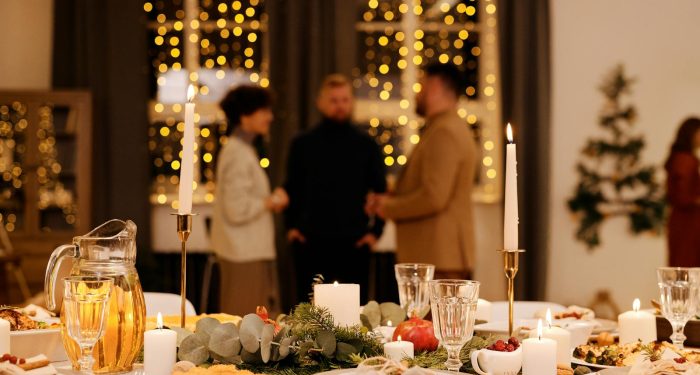
"Who remembers the summer all four of us got chicken pox at once?" I asked the table, and seventeen faces looked back at me with polite, blank smiles. My granddaughter laughed and said it sounded miserable. My son Daniel asked how old I was then. But no one remembered, because no one else at that table was alive when it happened. The conversation moved on to someone's work deadline, and I sat there at the head of the table where my mother once sat, where her mother sat before that, holding a story that had just landed on the floor and nobody noticed.
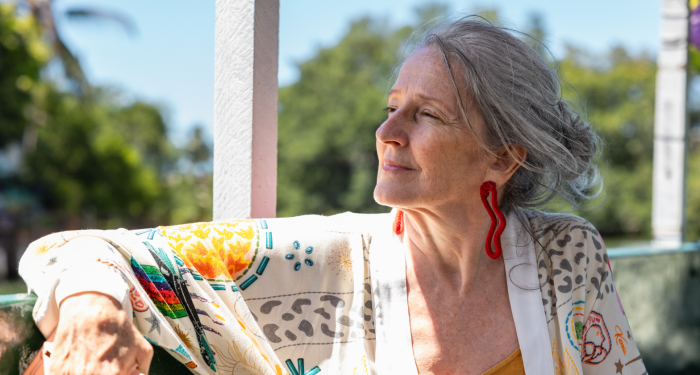
That's the moment it crystallized, though the realization had been building for months, maybe years. I am the oldest person in my family. Not the wisest or the most respected — just the last one standing from a generation that once filled every chair at this table. The people around me love me fiercely, these children and grandchildren of mine, but they don't remember my sister's laugh before the cancer changed it, or the way my father's hands shook when he carved his last turkey, or how my mother would sneak tastes from every dish before we sat down, claiming she needed to make sure everything was perfect. I've become the sole keeper of these moments, and sometimes the weight of that makes me feel ancient in ways that have nothing to do with my seventy years.
When my oldest sister died, I still had my parents, though Alzheimer's had already begun its cruel work on my mother. When my father followed two years later, my remaining sisters and I held each other up, sharing memories like communion wine. But Margaret went at fifty-eight, claimed by the same ovarian cancer that took our aunt. Then Helen, just last year, a stroke while gardening. Each death handed me more of the family history to carry alone, until I became a walking archive of a world that exists nowhere else.
During my thirty-two years teaching high school English, I used to tell my students that every person is a library. When someone dies, a library burns to the ground. I understood this intellectually then, but now I feel it in my bones. I am a library filled with books no one else has read, stories written in a language my grandchildren only partially speak. When my eight-year-old grandson asks about the good old days, he means when I was young, not realizing that my good old days included my grandmother, who was born in 1892 and remembered when electricity came to our small Pennsylvania town.
The loneliness of this position surprises me. Not the loneliness of being alone, though widowhood brought plenty of that after losing my second husband. This is the loneliness of being the only witness to entire decades of family life. When something reminds me of the summer all four of us sisters got chicken pox at once, there's no one to call who remembers it too. When I make my mother's soup recipe and want to ask if she always added the carrots first or if I'm remembering wrong, the question just hangs in my kitchen like steam.
I've started writing everything down, frantically sometimes, as if I'm racing against my own mortality. In journals and letters to my grandchildren that they'll receive when they turn twenty-five, I try to capture not just events but the feeling of things. How my mother hummed while she sewed, always the same tuneless melody. How my father, a mailman who knew everyone in town by name, would come home with stories about Mrs. Patterson's new roses or the Hendersons' son getting into college. How we sisters would lie in our shared bedroom, two to a bed, whispering secrets and dreams that seemed so permanent then.
My children try to understand, but they can't fully grasp what it means to be the last one standing from your generation. Daniel, now forty-five with teenagers of his own, sat with me last month going through old photos. He picked up one of my parents' wedding and asked if that was his grandfather as a young man. For a moment, I couldn't speak. This photo that lived so vividly in my mind, that connected to a thousand other memories of my parents' marriage, was to him just an old picture of people he barely remembered. The gap between what the photo meant to each of us felt unbridgeable.
Grace, my youngest at forty-two, has started asking more questions lately, sensing perhaps that the window is closing. She calls every Sunday evening, and lately our conversations have shifted from her present to my past. Tell me about when you and dad divorced, she says, as if understanding my story will help her understand her own. I tell her what I can, but how do I explain the person I was at twenty-eight, suddenly single with two young children, terrified and determined in equal measure? That woman feels like a stranger to me now, though I lived in her skin for years.
The family stories I carry aren't all beautiful. There's the uncle no one talked about who drank himself to death. My parents' marriage, which looked perfect from the outside but included a year when my father slept on the couch and we all pretended not to notice. The miscarriage my mother had between me and my sister Margaret that she only told me about when she was dying. These difficult truths are part of the inheritance too, and I struggle with which ones to pass on and which to let die with me.
At last month's library board meeting, where I advocate for senior programs, another board member mentioned feeling invisible as she ages. But that's not quite my experience. I feel too visible, like a museum piece that everyone acknowledges but no one quite knows what to do with. At family gatherings, I'm treated with a careful respect that makes me miss the casual way my sisters and I used to bicker. My grandchildren love me, but there's a formality to their love, a distance created not by lack of feeling but by the simple fact that my world and theirs barely overlap.
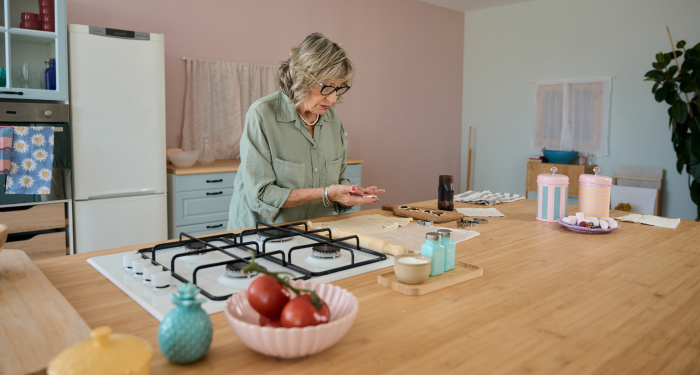
The rituals help. Every Monday I make soup from whatever needs using up, a habit from my lean years that connects me to the young mother I was, stretching every dollar. My evening walks happen regardless of weather, the rhythm of my steps a meditation that grounds me in the present while my mind drifts through the past. The weekly supper club with five other women, all of us widowed or divorced, reminds me that I'm not the only keeper of vanishing worlds.
When I volunteer at the women's shelter, teaching resume writing and interview skills, I see my younger self in these women's eyes, that mixture of desperation and determination I remember from my years raising children alone. When I tutor adult literacy students, I think of my grandmother, who never learned to read properly and signed her name with an X until the day she died. These connections to strangers paradoxically make me feel less alone with my memories than being with my own family sometimes does.
Final Thoughts
That Thanksgiving evening, after everyone had gone home, I washed the crystal gravy boat by hand, as my mother always did. The house was quiet in the way it only gets when a large family has just left — a ringing kind of silence, full of the ghost-shapes of noise. I dried the gravy boat and set it back in the hutch, on the shelf where my mother kept it, where her mother kept it before that.
My youngest grandchild had asked me earlier to tell about when I was little. I'd started one of the stories, the one about the chicken pox summer, and she'd listened for maybe a minute before her cousin called her away to play. I didn't finish the story. I'm not sure she noticed.
I stood in the kitchen for a while after that, looking at the gravy boat through the glass door of the hutch. It will outlive me. It will sit on someone else's table someday. My granddaughter might remember it was important to me, though she won't remember why. She might tell her own children it belonged to their great-great-grandmother, and by then it will just be a pretty dish with a vague family connection — a shape without the story, an object without its weight.