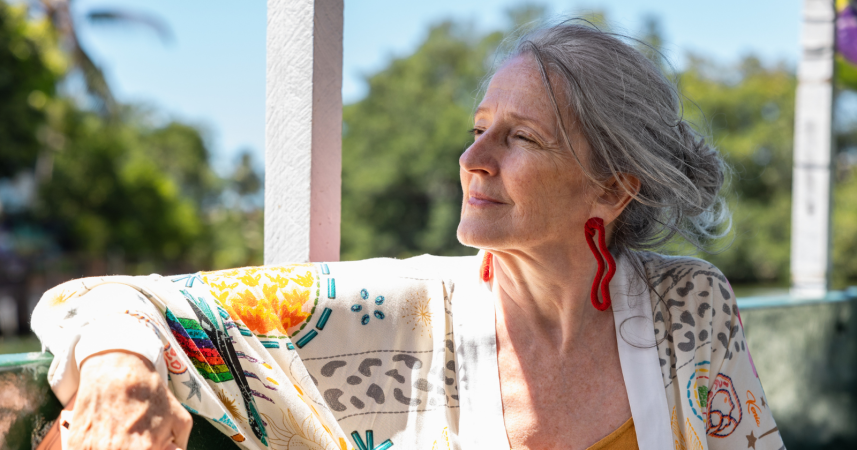
Dolly Parton's refusal to "have time to be old" might be the most radical act of resistance in a world obsessed with expiration dates.
Most people hear Dolly Parton say she doesn't have time to be old and they nod along, charmed. But I think we're too quick to celebrate the sentiment without questioning what it actually asks of us. The implication is that aging is something you can outrun if you just stay busy enough, and I'm not sure that's entirely honest.
Still, something in her words resonates. Not because they're perfectly true, but because they point at something real. The woman refuses to let numbers define her narrative, and that defiance has a pull to it. I feel it in my own life, even when I know the math doesn't lie.
I think about my own mornings. Writing in my journal before dawn, tending tomatoes that don't care about my arthritis, teaching my grandson card games where he destroys me without mercy. These moments don't feel like the activities of an "old woman." They feel like living.
The truth is, I spent most of my life obsessed with numbers. Twenty-eight when my first husband walked out, leaving me with two toddlers and a teaching degree still in progress. Thirty-two years standing in front of classrooms, watching teenagers discover themselves in Hamlet's grief. Sixty-four when my knees finally gave out, requiring replacement surgery. Sixty-eight when I held my second husband's hand through his last breath. Parkinson's had stolen everything but our love.
But here's what Dolly understands: those numbers are just mile markers on a road that keeps going. They tell you where you've been, not where you're headed.
Last week, my neighbor asked how I manage to do so much since becoming a widow. I wanted to tell her about the alternative. About the six months after my husband died when I barely left the house, when grief made me feel ancient at sixty-eight. Instead, I told her about my Thursdays. Coffee with her at eight (fifteen years running now), library volunteering at ten where I help adults learn to read, lunch with my widow's support group where we've graduated from tissues to laughter, watercolor class at two where I make terrible art with absolute joy.
The momentum Dolly talks about isn't about being busy for busy's sake. It's about refusing to let life become past tense.
I started learning Italian at sixty-six, right after retirement. My teacher, barely thirty, never once suggested I was too old to roll my Rs properly. I bought a piano, my arthritic fingers stumbling over scales like a determined child. I began writing essays that might never see publication, but that hardly matters. The point isn't mastery; it's the attempt itself, the way curiosity keeps pulling you forward like a dog on a leash, eager for the next smell, the next corner, the next everything.
My garden certainly doesn't acknowledge my age.
The roses need deadheading whether my joints cooperate or not. The herbs demand harvesting on their schedule, not mine. This morning, I spent an hour training the new clematis along the fence, my hands deep in soil that's witnessed thirty years of my experiments and failures. Gardens teach you what Dolly knows instinctively. Growth doesn't stop unless you do.
There's science behind this wisdom, of course. A recent study from BMC Public Health found that higher levels of physical activity are associated with successful aging in middle-aged and elderly individuals. But I didn't need research to tell me what my body already knows. Movement is medicine. Stopping is the beginning of ending.
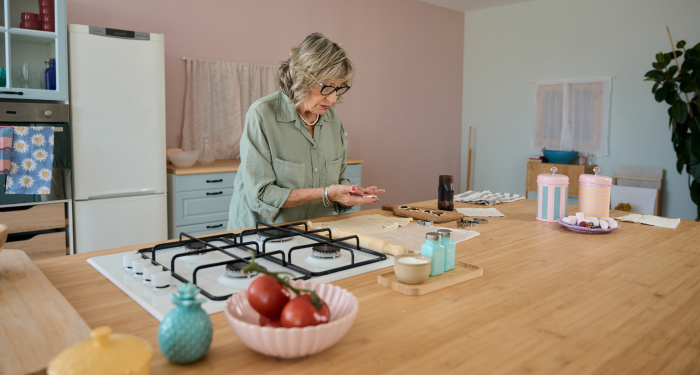
My granddaughter video-calls me weekly from graduate school, and we discuss Toni Morrison while I knead bread, flour dusting the tablet screen. She doesn't see a seventy-year-old woman. She sees the grandmother who taught her that libraries are sanctuaries, that books are doors to everywhere, that questions matter more than answers. When she looks at me, she sees possibility, not limitation. The numbers that count aren't on my driver's license. They're the fifty bird species I learned to identify by sound during the pandemic, a hobby born of isolation that became a passion. They're the two books I devour almost weekly, mostly memoirs by women who've lived fully and aren't afraid to tell the truth about it. They're the five women in my supper club who've held me through my husband's death, my children's struggles, my mother's decline. Women who know that friendship isn't about solving each other's problems but about witnessing each other's lives.
When people ask for my secret, I think about Dolly's words. There is no secret, really. Just a choice, made fresh each morning, to keep moving. But some mornings the choice doesn't feel like a choice at all. Some mornings the bed is warm and the house is quiet in that particular way it's been quiet since he died, and I wonder whether all this momentum is wisdom or just a very elegant way of not sitting still long enough to feel what's underneath. I haven't figured that out yet. Maybe I'm not supposed to.
If You Were a Healing Herb, Which Would You Be?
Each herb holds a unique kind of magic — soothing, awakening, grounding, or clarifying.
This 9-question quiz reveals the healing plant that mirrors your energy right now and what it says about your natural rhythm.
✨ Instant results. Deeply insightful.
Marlene Martin
Marlene Martin is a retired high school English teacher who spent 38 years in the classroom before discovering plant-based eating in her late sixties. When her daughter first introduced her to the idea of removing animal products from her diet, Marlene was skeptical. But curiosity won out over habit, and what started as a reluctant experiment became a genuine transformation in how she thinks about food, health, and aging.
At VegOut, Marlene writes about nutrition, wellness, and the experience of embracing new ways of eating later in life. She brings a teacher’s instinct for clarity and patience to topics that can feel overwhelming, especially for readers who are just beginning to explore plant-based living. Her writing is informed by personal experience, careful research, and a belief that it is never too late to change.
Marlene lives in Portland, Oregon, where she spends her mornings reading research papers, her afternoons tending a modest vegetable garden, and her evenings knitting while listening to audiobooks. She has three adult children and two grandchildren who keep her honest about staying current.
More Articles by Marlene