The activities people choose after 70 can significantly impact both lifespan and quality of life.
My mother started learning piano at 72. Her friends thought it was strange - why start something so difficult at that age?
But five years later, she's playing regularly and looks younger and sharper than many of her peers who settled into passive retirement.
Research increasingly shows that certain hobbies don't just make retirement more enjoyable - they actually extend lifespan and maintain cognitive function. Not all hobbies are equal in this regard. Some provide genuine health benefits while others are pleasant but don't significantly impact longevity.
The hobbies that add years to life share common characteristics. They combine physical activity, mental engagement, social connection, or purpose in ways that address the specific challenges of aging.
What's fascinating is that many people over 70 who take up these hobbies do so intuitively, not knowing the scientific research supporting their choices. They're drawn to activities that happen to be exactly what their bodies and minds need.
Here are seven hobbies people over 70 take up that research suggests actually add years to their life.
1) Gardening
Gardening combines low-impact physical activity, time outdoors, and purposeful work in ways that benefit aging bodies and minds.
The physical movement - bending, lifting, digging - maintains flexibility and strength without high-impact stress on joints. Being outside increases vitamin D exposure and provides sensory stimulation. Tending living things creates purpose and routine.
Research shows regular gardeners have significantly lower rates of dementia and better overall health markers than non-gardeners. The combination of physical, mental, and emotional benefits is uniquely powerful.
I've watched my father-in-law transform through gardening. At 74, he started a vegetable garden and now spends hours daily tending it. His mobility improved, his mood lifted, and his sense of purpose returned after retiring made him feel aimless.
Gardening also provides gentle cognitive challenge through planning, problem-solving, and learning. You're constantly making decisions and adapting to conditions. That mental engagement helps maintain cognitive function.
2) Learning musical instruments
Taking up an instrument after 70 provides intense cognitive stimulation that strengthens neural connections and may slow cognitive decline.
Playing music requires coordinating multiple brain regions - reading notation, translating to physical movement, listening to output, making real-time adjustments. This complex multitasking exercises the brain more comprehensively than most activities.
Studies show older adults who learn instruments show improved memory, processing speed, and cognitive flexibility compared to controls. The challenge of learning something genuinely difficult provides cognitive reserve that protects against dementia.
My mother's piano lessons forced her to learn reading music, coordinate her hands independently, and practice regularly. The cognitive demand is significant. She's sharper at 77 than she was at 72 before starting.
The key is actually learning and progressing, not just dabbling. The challenge itself provides the benefit. Easy hobbies don't create the same cognitive growth.
3) Volunteer work with clear purpose
Volunteering that provides genuine purpose and social connection significantly impacts longevity. Not token involvement, but meaningful engagement where you feel you're making real contributions.
Research shows volunteers have lower mortality rates, reduced depression, and better physical health than non-volunteers. The sense of purpose and regular social engagement drive these benefits.
I know a woman who started volunteering at a literacy program at 71. She tutors adults learning to read twice weekly. The sense of purpose transformed her retirement from aimless to meaningful. She's 79 now and still sharp and engaged.
The mechanism seems to be that having reason to get up, get dressed, show up, and contribute creates structure and purpose that combat the aimlessness that can accompany retirement. You matter to something beyond yourself.
Volunteering also provides social interaction and mental stimulation through working with others toward shared goals. These factors combine to create significant health benefits.
4) Dancing
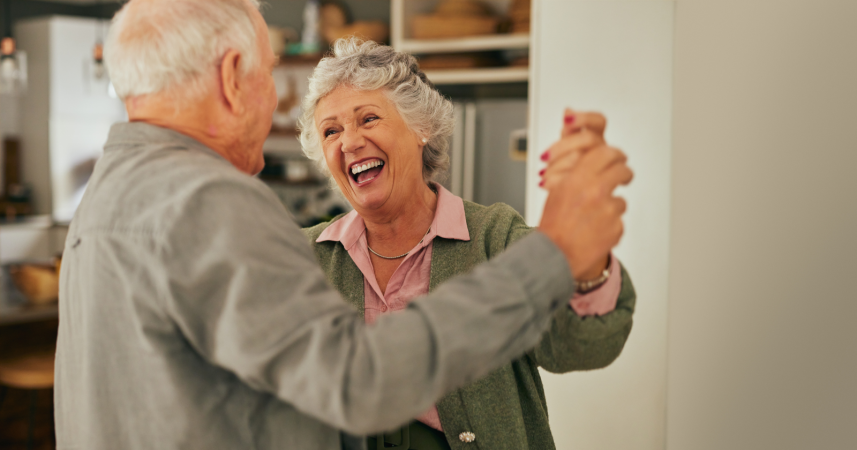
Social dancing combines cardiovascular exercise, coordination challenge, social interaction, and cognitive engagement in one activity.
Learning choreography exercises memory. Coordinating movements challenges balance and body awareness. The social aspect provides connection and engagement. The physical activity maintains cardiovascular health.
Studies show dancers have dramatically reduced dementia risk—up to 76% reduction in some research. The combination of physical, cognitive, and social elements appears uniquely protective.
I've watched people transform through dance classes. One friend's father joined a ballroom dancing group at 73 after his wife died. It gave him social connection, physical activity, and reason to leave the house. At 80, he's remarkably sharp and healthy.
Dancing requires learning and remembering sequences, responding to partners, and staying physically active - all factors that protect aging brains and bodies.
5) Learning new languages
Taking up language learning after 70 provides intense cognitive challenge that builds cognitive reserve and may delay dementia onset.
Learning languages requires memorization, pattern recognition, and mental flexibility. You're constantly processing, translating, and adapting. This cognitive workout strengthens neural networks.
Research shows bilingual or multilingual individuals develop dementia symptoms later than monolinguals, even when brain pathology is similar. The cognitive reserve from language learning provides protection.
I know someone who started learning Spanish at 68 for upcoming travel. She's now 76 and conversational. The mental effort required has kept her exceptionally sharp. She credits the language learning with maintaining her memory.
The challenge is important. Easy language apps that don't genuinely test you won't provide the same benefits. You need actual cognitive struggle to build reserve.
6) Regular social card games or strategic games
Games requiring strategy, memory, and social interaction provide cognitive stimulation and social connection.
Bridge, poker, mahjong—games requiring concentration, memory, and strategic thinking while socializing. The combination of cognitive challenge and social engagement provides dual benefits.
Studies show regular game players have better cognitive function and lower dementia rates than non-players. The mental exercise and social interaction both contribute.
My grandmother played bridge twice weekly from retirement until her death at 94. She remained mentally sharp until the end. Her card groups provided consistent social engagement and cognitive challenge for decades.
The regularity matters. Weekly games create routine, social connection, and consistent cognitive stimulation. Occasional playing doesn't provide the same benefits.
7) Writing memoirs or family histories
Writing about life experiences exercises memory, organizes thinking, and provides purpose through creating something meaningful for future generations.
The act of remembering and organizing past experiences stimulates cognitive function. Writing requires planning, sequencing, and expression. Creating something with purpose provides meaning.
Research suggests writing activities maintain cognitive function and provide emotional benefits through life review and meaning-making.
I've seen multiple people take up memoir writing in their 70s. One friend's mother started documenting family history at 75. The project gave her purpose and required cognitive engagement. At 82, she's still sharp and working on her second volume.
The purpose element is crucial. You're creating something that will outlast you and benefit others. That sense of meaning contributes to wellbeing and longevity.
Final thoughts
These hobbies work because they address what aging bodies and minds need: physical movement, cognitive challenge, social connection, and purpose.
Passive hobbies like watching television don't provide these benefits. Neither do familiar activities that require no learning or challenge. The hobbies that add years to life are the ones that push you to grow, connect, and engage.
What's encouraging is that it's never too late to start. People begin these activities in their 70s, 80s, even 90s and still see benefits. The brain and body remain capable of growth and adaptation far longer than most people realize.
The key is choosing hobbies that genuinely challenge and engage you, not just fill time. Comfort and familiarity feel good but don't provide the cognitive and physical stimulation that protects against decline.
If you're over 70 or planning for that stage of life, consider which hobbies will serve more than just entertainment. The activities you choose now could literally add healthy years to your life while making those years more engaged and purposeful.
My mother's piano playing, my father-in-law's gardening, my friend's father's dancing - these aren't just pleasant ways to spend retirement. They're investments in longevity and quality of life that pay dividends in years and sharpness that might not have been there otherwise.
The hobbies you choose after 70 matter more than most people realize. Choose ones that challenge, connect, and engage you. Your future self will thank you for those extra years of sharp, healthy, purposeful living.
If You Were a Healing Herb, Which Would You Be?
Each herb holds a unique kind of magic — soothing, awakening, grounding, or clarifying.
This 9-question quiz reveals the healing plant that mirrors your energy right now and what it says about your natural rhythm.
✨ Instant results. Deeply insightful.