After decades of playing the perfect provider while my marriage crumbled, I discovered that the exhausting performance I thought was strength was actually the very thing destroying everything I claimed to be protecting.
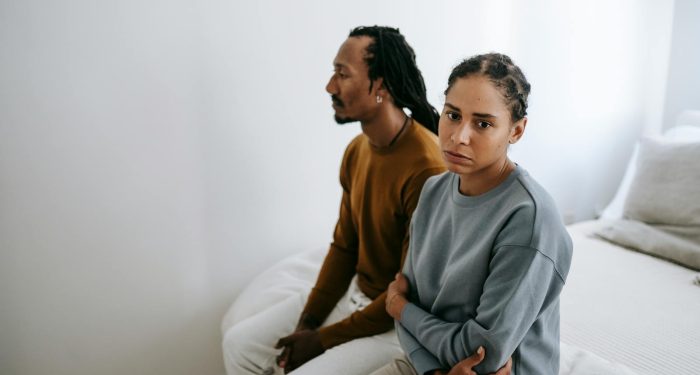
"Living with you is lonelier than living alone."
Anne said it across the kitchen island on a Tuesday night, car keys already in her hand. I remember the exact pitch of the refrigerator hum behind her, the way the pendant light caught the rim of her water glass. I remember thinking, even then, about the dinner service I'd just finished—how the Hendersons in booth four had raved about the short rib, how we'd turned the room twice. I was still running receipts in my head while my marriage ended in real time.
I said something back. I don't remember what. Probably something measured, something hospitality-trained, something that sounded like listening without actually being it. She left the room. I stood there and did what I always did when a situation got hard: I started mentally prepping tomorrow's specials.
That was the night I should have understood. It took me another two years.
Owning a restaurant taught me everything about service except how to serve the people who actually mattered. For almost two decades I could read a dining room like a conductor reads an orchestra, anticipating needs before they were expressed, making strangers feel seen and valued. Meanwhile, my wife at the time ate dinner alone most nights. I convinced myself that providing meant the same thing as being present.
Looking back, I see it clearly: I was a method actor who'd forgotten he was acting. The role of "successful restaurant owner" had swallowed me whole. Every interaction was a performance, every conversation a carefully managed experience. Even at home, I stayed in character—the strong provider, the guy who'd built something from nothing, the one who had it all figured out.
The exhausting truth was that maintaining this facade was killing me from the inside out.
The performance that became a prison
When you work in hospitality (and perhaps in other industries), you learn to be whoever the moment requires. Authoritative with vendors, nurturing with nervous servers, charming with difficult customers. After a while, this shapeshifting becomes second nature. The problem starts when you can't turn it off.
I'd arrive home after closing, still vibrating with the energy of service, and my wife then, Anne, would try to tell me about her day. But I wasn't really listening. I was performing the role of "attentive husband" while mentally reviewing that night's receipts or planning tomorrow's specials. She'd ask me how I was feeling, and I'd give her the same polished responses I gave customers who asked about the weather. Fine. Great. Busy but good.
The most insidious part was that I genuinely believed I was doing everything right. Working every Friday, Saturday, and holiday? That's dedication. Never taking vacations? That's commitment. Missing family gatherings for the dinner rush? That's sacrifice. I wore my exhaustion like a medal of honor, proof that I was a real provider, a real man, a real success.
When the mask started cracking
The divorce papers arrived on a Monday morning. Anne had been warning me for years, but warnings sound different when you're not actually listening.
For months after she left, I doubled down on the performance. If I couldn't play successful husband, I'd perfect the role of dedicated entrepreneur. I arrived earlier, stayed later, threw myself into menu development and staff training with manic intensity. But here's what happens when you're performing instead of being: people feel it. The food suffered. The atmosphere grew strained. Regular customers started asking if everything was alright.
The moment everything changed
Rock bottom has a specific address for me: the walk-in cooler at around 1 AM on a Thursday in March. I was alone, doing prep that could have waited until morning, when I caught my reflection in the stainless steel door. The man staring back was a stranger—hollow-eyed, grey-faced, going through motions that had lost all meaning.
I'd spent decades seeking validation for my performance, not my person. No wonder every interaction felt like work.
Learning to stop performing
Therapy wasn't my idea. I resisted for months before finally going to that first appointment. I sat in that beige office, arms crossed, ready to explain why I was fine, why the divorce was mutual, why working hard wasn't a crime.
The therapist asked me to describe myself without mentioning work. I sat there for a full minute, mouth open, finding nothing to say.
Dismantling a performance you've been giving for decades is like renovating a house while living in it. You have to tear down walls while still needing shelter. Some days, I'd catch myself slipping back into the charming host routine during serious conversations. Other days, I'd sit in uncomfortable silence, having no idea who I was without my scripts.
The hardest part was learning the difference between being helpful and being controlling. In the restaurant, I orchestrated every detail to create a specific experience. In relationships, I discovered, orchestration is manipulation. Real connection requires something much scarier: showing up without an agenda.
What real strength looked like
Here's what nobody tells you about dropping the mask: at first, you feel weaker than you've ever felt.
Without the armor of constant motion and practiced responses, every emotion hits directly. I cried in my car after particularly hard therapy sessions. I felt rage I'd been suppressing for decades. I discovered a deep well of loneliness I'd been filling with work and wine.
But slowly, something shifted. The energy I'd been spending on maintaining the performance became available for actual living. I started having real conversations with Ethan—not the surface-level check-ins I'd perfected, but messy, uncomfortable, necessary talks about the damage my absence had caused.
Robert Castellano M.S. puts it simply: "Authenticity builds trust and intimacy." What I learned was that authenticity also builds stamina. Being yourself is ultimately less exhausting than being anyone else.
Building a life beyond the stage
When I met my second wife Linda, I was 44 and finally learning who I was without the costume. She saw through every attempt at charm and deflection. On our third date, I tried to impress her with my knowledge of wine. She looked at me and said, "I don't need a sommelier. I need someone who'll tell me the truth."
This relationship was different from the start. I brought my flaws to the table alongside my strengths. When work stress triggered old patterns, we talked about it before it became a problem. When I felt the urge to retreat into performance mode, I said so out loud. It was terrifying and liberating in equal measure.
Selling the restaurant at 58 felt like setting down a weight I'd carried so long I'd forgotten it wasn't part of me. Friends asked if I missed it. What I missed was the simplicity of having a role to play. What I didn't miss was the prison that role had become.
What healing actually looks like
These days, I wake up without a script. I make coffee and sit with Linda without needing to fill the silence with stories.
I cook elaborate dinners for family and friends, but now it's an expression of love, not a performance of competence. When my granddaughter spills juice on my shirt, I laugh instead of maintaining composure. When I'm tired, I rest instead of pushing through.
The irony isn't lost on me that I spent thirty-five years in hospitality while being inhospitable to my own needs and the needs of those closest to me. I could make strangers feel like the most important people in the room while making my family feel like supporting actors in my one-man show.
Recovery from a lifetime of performing isn't a destination; it's a daily practice. Sometimes I still catch myself slipping into host mode when I'm anxious. The difference is that now I recognize it, name it, and choose something different. I choose presence over performance, connection over control, authenticity over approval.
What’s Your Plant-Powered Archetype?
Ever wonder what your everyday habits say about your deeper purpose—and how they ripple out to impact the planet?
This 90-second quiz reveals the plant-powered role you’re here to play, and the tiny shift that makes it even more powerful.
12 fun questions. Instant results. Surprisingly accurate.