A stranger's nine words about exhaustion made me realize I'd been complaining about the wrong kind of tired—the kind that comes from being desperately needed rather than desperately searching for purpose.
The coffee shop smelled of dark roast and cinnamon that morning, the kind of warmth that wraps around you like a favorite sweater. I was hunched over my laptop, probably on my third cup, telling a friend across from me how exhausted I was.
Between helping my daughter with her new baby and trying to finish a writing project, I hadn't slept more than four hours a night in weeks.
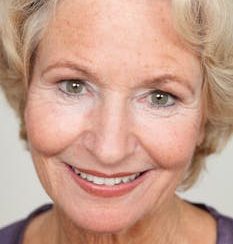
That's when she leaned over from the next table, this woman with silver hair twisted into a neat bun and eyes that held decades of stories. "I'd give anything to be that tired again," she said quietly, then turned back to her newspaper.
Three weeks later, I'm still unraveling what she meant.
The exhaustion we choose versus the exhaustion that chooses us
At first, I thought she was romanticizing youth, the way we sometimes do when we look back through rose-colored glasses. But there was something in her voice that suggested otherwise. It wasn't wistfulness exactly, but recognition. Like she was seeing something I couldn't yet see.
When I was raising my two children alone, working full-time and trying to keep all the plates spinning, exhaustion felt like my constant companion. I remember one night falling asleep while reading bedtime stories, my daughter nudging me awake: "Mom, you're snoring on the book."
Those were the days when tired meant something different. It meant I was needed. It meant my days were full of purpose so immediate and pressing that sleep became a luxury I couldn't afford.
But that exhaustion had momentum behind it. There was always tomorrow's soccer practice to drive to, tomorrow's permission slip to sign, tomorrow's scraped knee to bandage. The tiredness came from abundance, from having too much life packed into each day rather than too little.
When the house gets too quiet
Have you ever noticed how different kinds of tired feel in your body? The exhaustion from chasing toddlers sits in your muscles and behind your eyes. The exhaustion from grief lives in your bones. The exhaustion from loneliness weighs down your chest like a stone.
After my children left home, after my second husband passed, I discovered a different kind of tired.
It's the weariness that comes not from doing too much, but from the effort it takes to create meaning when the obvious sources of it have shifted or disappeared. You wake up at 3 a.m. not because a baby is crying or because you remembered you forgot to pack someone's lunch, but because the silence is too loud.
Virginia Woolf once wrote, "The future is dark, which is the best thing the future can be, I think." When you're young, that darkness sparkles with possibility. When you're older, sometimes it just looks dark.
The privilege of useful exhaustion
What that woman in the coffee shop understood, what took me three weeks to grasp, is that being tired from purpose is a privilege.
When you're exhausted from raising children, from building a career, from caring for aging parents, from staying up late with a partner talking through problems or dreams, you're tired from engagement with life. You're tired from mattering in immediate, tangible ways.
During the years I cared for my husband through his illness, I was more exhausted than I'd ever been, even more than those single mother years.
But every task, no matter how difficult or draining, was an act of love with a recipient. When I helped him button his shirt or steady his hand to eat, I was tired with purpose. Even in the hardest moments, there was clarity in what needed to be done.
Now, at 71, I sleep poorly many nights, but it's not because my days are overfull. It's because the questions that keep me awake have changed. Instead of "How will I get everything done tomorrow?" it's "What is there to do tomorrow that matters?"
Finding new reasons to be wonderfully tired
The conversation with that stranger sparked something in me. I started thinking about the kinds of exhaustion I want to invite back into my life. Not the bone-deep weariness of loss or the restless fatigue of uncertainty, but the satisfying tiredness that comes from being useful, connected, engaged.
Last week, I volunteered to help with a literacy program at the local library. After four hours of reading with struggling third-graders, I came home more tired than I'd been in months. But it was that good tired, the kind where your exhaustion is evidence of your participation in something beyond yourself.
I've also started saying yes to things that once would have seemed too tiring. Babysitting my grandchildren overnight, even though it means I won't sleep well on the pull-out couch.
Taking the early morning shift at the food bank, even though I'm not naturally a morning person anymore. Teaching a writing workshop at the senior center, which, as I wrote in a previous post about finding purpose after retirement, has given me more energy than it takes.
Final thoughts
That woman at the coffee shop gave me an unexpected gift with her offhand comment. She reminded me that exhaustion from living fully is something to cherish, not complain about. These days, when I find myself tired from something meaningful, I try to notice it, to be grateful for it.
Sometimes I wonder if I'll see her again, if I'll have the chance to thank her for those nine words that shifted my perspective.
But maybe that's the beauty of these brief encounters with strangers who say exactly what we need to hear, even when we don't know we need to hear it. They remind us that every stage of life has its own challenges and its own gifts, and that being tired from living fully is always better than being rested from not living at all.