As grocery stores quietly rearrange their shelves and venture capitalists watch their plant-based meat investments stagnate, a surprising winner has emerged in the protein wars: the humble bean.
Remember walking through the grocery store five years ago and seeing those bleeding, sizzling plant-based burgers everywhere? They were supposed to revolutionize how we eat.
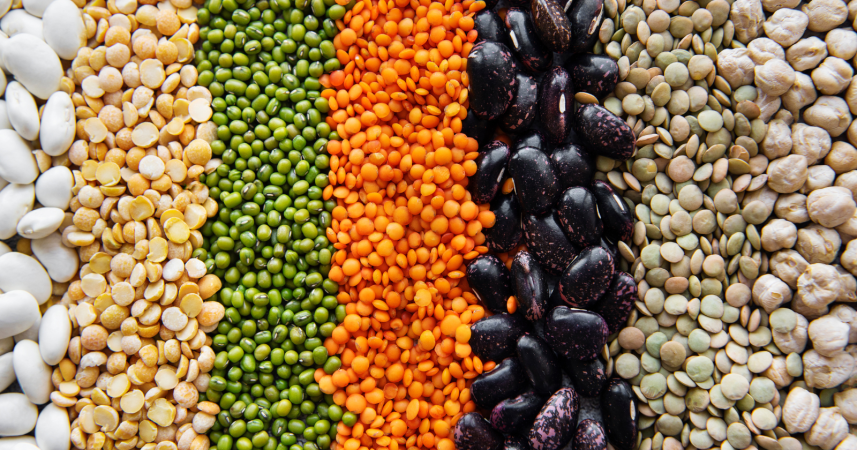
Now look at what's actually in people's carts. Plain old beans. Tofu. Lentils.
The ultra-processed meat alternatives that dominated headlines and venture capital portfolios are quietly losing ground to ingredients your grandmother would recognize. And this shift tells us something profound about how we're rethinking wellness in 2024.
The economics are speaking louder than the marketing
Here's what caught my attention last week at the farmers market: the couple ahead of me had a cart full of dried chickpeas, black beans, and firm tofu. The fancy meat alternatives sat untouched in the freezer section at the store nearby.
The Food Foundation recently confirmed what shoppers are discovering: "Beans and grains emerged as the healthiest, most eco-friendly and also cheapest of the four types of products analysed."
Think about it. A can of beans costs about a dollar. Those high-tech burgers? Sometimes ten times that.
But it's not just about money. When I first went vegan eight years ago after watching a documentary (two days later I'd cleaned out my fridge and donated my leather jacket), I bought every meat substitute I could find. My credit card statement was terrifying. More importantly, I didn't feel great eating all that processed food.
People are rediscovering what real food feels like
Anahad O'Connor points out something we forgot in our rush toward innovation: "Beans, peas and lentils are among the most affordable nutrient-rich foods worldwide."
Why did we think we needed to improve on that with industrial processing?
I've mentioned this before but simplicity often wins in the long run. The wellness community is moving away from complicated ingredient lists toward foods with one ingredient. Bean. Lentil. Tofu.
My non-vegan partner (who still loves pepperoni pizza with ranch, by the way) now requests my lentil bolognese regularly. Not because it tastes like meat. Because it tastes like itself, and that's enough.
The fermentation renaissance is changing everything
Rachael Ajmera, MS, RD notes that "Tempeh is a fermented soy product that's a popular vegetarian meat replacement." But here's what's interesting: people aren't choosing it because it replaces meat. They're choosing it because fermented foods support gut health.
The whole conversation has shifted. We're not trying to trick ourselves into thinking we're eating a burger anymore. We're embracing these foods for what they are.
When was the last time you saw someone Instagram their fake chicken nuggets? Now scroll through and count the Buddha bowls topped with crispy tofu and tahini sauce. The aesthetic has changed because the mindset has changed.
Why younger generations are leading this shift
Research shows that women, younger individuals, and those with higher education levels are more likely to purchase plant-based products, with almonds, oats, chickpeas, and peas being the most popular plant proteins.
Notice what's not on that list? Fake meat.
This generation grew up with processed food everywhere. They've seen where that leads. Now they're choosing differently.
I make my own cashew cheese these days. Takes twenty minutes. Five ingredients. Tastes nothing like dairy cheese, and that's exactly the point. We're finally comfortable eating plants that taste like plants.
The health data keeps piling up
Lizzie Streit, MS, RDN, LD confirms what many are experiencing firsthand: "Eating a diet with no or limited meat may benefit your health and the environment."
But here's the crucial distinction: she's not talking about replacing meat with ultra-processed alternatives. She's talking about actual plant foods.
A systematic review found that plant-based diets can lead to beneficial effects on weight status, energy metabolism, and systemic inflammation. The key word there? Plant-based. Not "plant-based-product-designed-in-a-lab" based.
The cultural resistance is revealing
Joe Leech, MS acknowledges something important: "Legumes are controversial in certain circles."
You know what's not controversial? Their price. Their environmental impact. Their nutritional density.
The controversy comes from diet culture, from trends, from people trying to sell you something. Beans don't have a marketing budget. They don't need one.
What this means for the future of eating
Adrienne Matei captures the appeal perfectly: "Beans are affordable, accessible and versatile – delicious in dense salads and creamy sauces alike."
That versatility matters more than mimicry. When you stop trying to make plants taste like meat, you discover what they actually taste like. And it turns out, that's pretty great.
My partner now requests tofu bánh mì regularly. Not because the tofu tastes like pork. Because marinated, pressed tofu with pickled vegetables and cilantro creates its own experience.
New research from BMC Medicine found that childhood cancer survivors who consume a predominantly plant-based diet are at lower risk of premature aging. Notice they studied plant-based diets, not fake meat consumption.
The difference matters.
The convenience paradox nobody expected
Here's what surprises people: cooking with whole plant foods is often faster than heating up processed alternatives.
Canned beans? Ready in minutes. Tofu? Press it, season it, bake it while you prep vegetables. Those elaborate meat substitutes often require specific cooking methods to taste decent.
Tofu is made from condensed soy milk while tempeh is made from fermented soybeans. Simple processes. Simple ingredients. Complex nutrition.
We complicated something that didn't need complicating.
Wrapping up
The shift from fake meat to beans, lentils, and tofu isn't about going backward. It's about moving forward with wisdom instead of just innovation.
Anahad O'Connor suggests adding just half a cup of "beans, peas and lentils" to your favorite meals for an easy health boost. No special equipment needed. No ingredient lists you can't pronounce.
This trend reflects something deeper about modern wellness: we're learning to distinguish between progress and processing. Between innovation and improvement.
Sometimes the smartest choice is the simplest one. Sometimes a can of chickpeas is exactly what we need.