
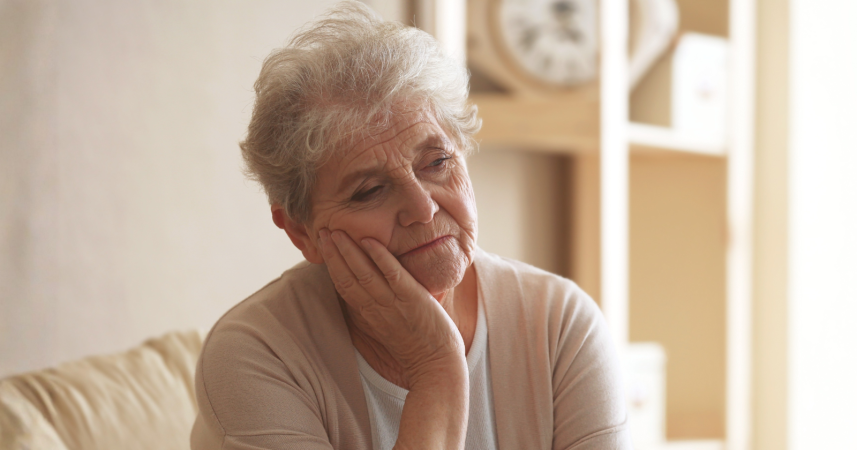
After decades of choreographing family meals with the precision of a conductor, these women now prepare elaborate dishes for themselves only to consume them in under five minutes while standing — a heartbreaking habit born from years when sitting down to eat meant abandoning someone who needed them.

Add VegOut to your Google News feed. 
I watched my neighbor through the kitchen window last week, her silver hair catching the morning light as she chopped vegetables with the precision of someone who'd done this ten thousand times before. For forty minutes, she diced, sautéed, and seasoned. The aroma of garlic and rosemary drifted through our shared fence. Then, when everything was perfectly plated on her good china, she ate it standing at the counter while scrolling through her phone. Four minutes, maybe five. The beautiful meal she'd crafted for herself consumed faster than it took to wash the cutting board.
It broke my heart a little, because I recognized something in that moment. Something about how we treat ourselves when no one's watching. Something about the habits we can't shake, even when the circumstances that created them have long since passed.
The invisible labor that shaped a generation
For decades, these women orchestrated meals like symphonies. Three kids with different preferences, a husband who wanted dinner at six sharp, in-laws dropping by unannounced. They became masters of timing: the roast in at three, vegetables prepped during homework help, table set while mediating sibling disputes.
Their own hunger? That got squeezed into the margins. A bite while stirring the pot. A leftover crust from someone's sandwich. Standing at the counter, always standing, because sitting meant you weren't available for the next request, the next spill, the next "Mom, where's my..."
The Samarth Community Care Team notes that "eating alone changes behaviour. Many elderly women eat less during meals when alone. Food feels like a task rather than care."
But here's what gets me: it's not just about eating less. It's about how the act of feeding yourself becomes foreign when you've spent a lifetime feeding others. The muscle memory of nurturing everyone except yourself runs deep.
When sitting down feels selfish
I remember having dinner with a friend's mother who'd recently become widowed. She'd prepared this gorgeous spread for us, complete with homemade rolls and a salad with edible flowers. When we sat down, she kept jumping up. More water? Another napkin? Did we want seconds?
Finally, my friend gently placed her hand on her mother's arm and said, "Mom, please. Just eat with us."
The woman looked startled, almost confused. Like she'd forgotten that was an option.
Think about it. How many meals did these women eat cold because someone needed help with homework? How many dinners were interrupted by phone calls they felt obligated to answer? The habit of putting yourself last doesn't disappear just because the kids moved out and the demands stopped coming.
You know what's wild? I cook dinner from scratch most nights now, finding it meditative and creative. But even I catch myself eating standing up sometimes, like I'm stealing time from some invisible taskmaster. And I never even raised kids.
The social architecture of eating
There's something particularly cruel about how retirement can strip away the social framework around meals. Work lunches disappear. Kids' sports practices no longer dictate dinner timing. The dinner party invitations slow down because coupled friends feel awkward inviting a widow.
Research shows that older adults living alone tend to cook at home more often but consume fewer vegetables and fruits compared to those living with others, potentially due to social isolation affecting meal preparation habits.
But it goes deeper than just nutrition, doesn't it? It's about what meals represent. For these women, cooking was love made tangible. Every packed lunch, every birthday cake, every Thanksgiving turkey was an act of care. Now, making a nice meal for one can feel like speaking a love language to an empty room.
Breaking the standing-at-the-counter cycle
So how do we help our mothers, grandmothers, and maybe ourselves break this pattern?
Start small. Set the table for one. Use the good plates, not the chipped ones relegated to everyday use. Light a candle. It sounds silly, but these small acts of self-care can feel revolutionary for someone who's never prioritized their own comfort.
I've been thinking about this a lot lately, especially after discovering that making friends as an adult requires intentional effort and vulnerability. The same goes for relearning how to nurture yourself. It's uncomfortable at first. It feels indulgent, maybe even wrong.
One woman I know started a "proper lunch" challenge for herself. Every Wednesday, she makes something beautiful and eats it at her dining table with classical music playing. No phone, no TV, no standing. Just her and the meal she deserves to enjoy.
Another joined a cookbook club where members cook the same recipe and gather monthly to share their versions. Suddenly, cooking for one became cooking for community.
The radical act of enjoying your own company
There's a quote that really stuck with me: "Eating alone symbolized loss and was less enjoyable, yet the pleasure experienced with food was intact."
Read that again. The pleasure with food was intact. It's not the food that's the problem. It's the meaning we've attached to eating alone.
What if we reframed it? What if eating alone wasn't a consolation prize but an opportunity? A chance to eat exactly what you want, when you want, how you want. No negotiations, no compromises, no cooking around someone else's allergies or preferences.
My mother still introduces me as "my daughter who worked in finance" rather than "my daughter the writer," and I think there's something similar happening with these women and food. They're stuck in an old identity: the family chef, the one who feeds others. But what if they could become something new? The woman who savors her morning coffee in peace. The one who tries that weird fusion recipe just because it looked interesting. The person who deserves to sit down and enjoy the meal they've created.
A new kind of hunger
Maybe the real tragedy isn't that retired women eat standing at kitchen counters. It's that we've created a world where caring for yourself feels like abandoning your post. Where sitting down to enjoy your own cooking seems selfish after decades of serving others.
But here's what I'm learning: honoring your own hunger, both literal and metaphorical, isn't selfish. It's necessary. It's how we model for the next generation that women's needs matter, even when, especially when, no one else is watching.
So to every woman eating alone at her kitchen counter: pull out a chair. You've earned the right to sit down. Your meal matters. Your comfort matters. You matter.
And maybe, just maybe, taking time to nourish yourself properly isn't just about food. It's about finally feeding the parts of yourself that went hungry all those years while you were keeping everyone else fed.
What’s Your Plant-Powered Archetype?
Ever wonder what your everyday habits say about your deeper purpose—and how they ripple out to impact the planet?
This 90-second quiz reveals the plant-powered role you’re here to play, and the tiny shift that makes it even more powerful.
12 fun questions. Instant results. Surprisingly accurate.












