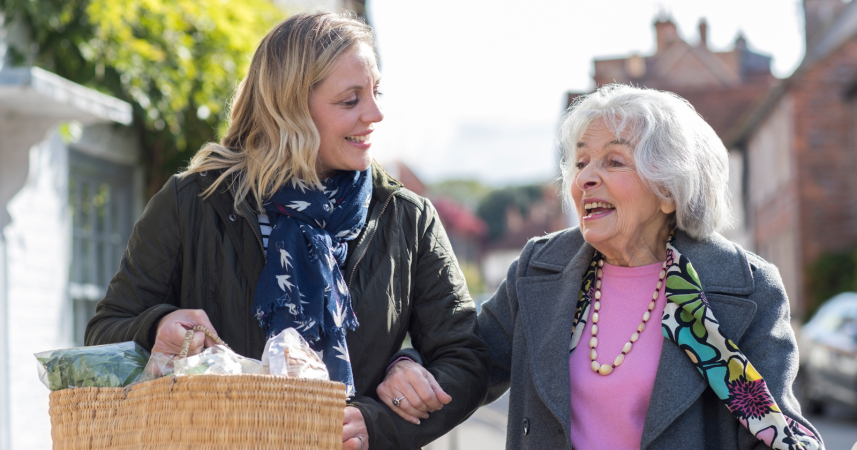
I used to think dignity was something you either had or you did not. Then I watched my mother age. It was built in small choices, quiet boundaries, and the way she carried herself when no one was watching. These nine things she held onto shaped everything.
I used to think “aging with dignity” was mostly about good genes and good timing.
Then I watched my mother do it up close.
Not in a highlight reel way. I mean the real stuff: grief that showed up uninvited, the body changes no one warns you about, friendships that shifted, days when energy simply wasn’t there.
And yet, she didn’t harden. She didn’t become cynical. She didn’t shrink her life just because the world sometimes tries to shrink women as they age.
If you’ve ever wondered what gives certain people that steady, graceful presence over time, I’ll tell you what I saw.
It wasn’t one big secret. It was a set of small decisions she kept making, again and again.
Here are nine things she never let go of, and why I think they mattered so much.
1) She kept her self-respect non-negotiable
My mother didn’t act like she was “lucky” to be included.
She didn’t tolerate disrespect just to keep the peace. And she didn’t laugh off comments that were meant to make her smaller.
That doesn’t mean she was sharp or cold. She was warm.
But she carried herself with a clear message: I can be kind and still have boundaries.
Aging can mess with your sense of value if you let it.
There are plenty of loud opinions about women, visibility, and usefulness.
Self-respect is the one thing you get to protect on purpose.
Ask yourself: Where are you trading your dignity for comfort or approval?
2) She stayed curious, even when life got repetitive
Some people stop learning and start repeating. Same conversations. Same complaints. Same assumptions.
My mother didn’t. She asked questions. She tried new recipes. She read about topics she knew nothing about. She’d watch a documentary and then call me to talk it through. Not to argue, but to understand.
Curiosity keeps you mentally flexible.
And flexibility is a kind of youth that has nothing to do with your skin.
Try this: Once a week, learn something that has no practical purpose.
Just because it’s interesting.
That habit alone can make life feel bigger.
3) She protected her peace like it was a budget
I worked as a financial analyst before I started writing, so I can’t help seeing choices like spending choices.
My mother did something similar emotionally.
She didn’t spend her peace on petty arguments. She didn’t invest in people who drained her. She didn’t pack her schedule and then resent everyone for it. She had a simple filter: Is this worth my nervous system?
That kind of discernment becomes priceless with age because energy is not unlimited.
Peace isn’t something you stumble into.
It’s something you keep by choosing what you allow.
If your peace was an actual account, what would you stop paying for immediately?
4) She showed up for her body without punishing it
This one matters more than most people realize.
My mother moved her body, but she never treated it like an enemy.
No “earn your food” mindset. No obsession with shrinking. No shame spirals. She walked. She stretched. She gardened. She rested when she needed to. She fed herself like someone worthy of care.
I’m vegan and intentional about food, but what I learned from her wasn’t a diet.
It was the attitude underneath: Your body is your home.
Aging with dignity includes making peace with a body that changes, instead of panicking every time it does.
Ask yourself: What would it look like to care for my body like someone I love lives here?
5) She didn’t outsource her worth to attention

My mother enjoyed compliments.
Who doesn’t? But she didn’t depend on them.
She had an inner steadiness that’s easy to miss when you’re younger. She could be overlooked and still feel whole. She could be criticized and stay grounded. She didn’t chase attention to prove she mattered.
That’s a big reason she aged with dignity.
When your worth comes from the outside, aging can feel like losing currency. When your worth comes from the inside, aging is simply living.
A good check-in: If nobody noticed what you did this week, would you still be proud of who you were?
6) She stayed connected to people without abandoning herself
My mother believed in relationships.
She called friends. She showed up when people were hurting. She was loyal. But she also knew the difference between connection and self-abandonment.
She didn’t cling. She didn’t beg. She didn’t tolerate manipulation disguised as “family” or “history” or “that’s just how they are.” She loved people and still held boundaries.
A lot of folks confuse dignity with being tough and alone.
I saw something different: Dignity is staying connected without being consumed.
Ask yourself: Do I feel more like myself around this person, or less?
7) She kept a sense of purpose that wasn’t tied to productivity
This one is especially important in a culture that worships hustle.
My mother didn’t act like her value expired when she wasn’t accomplishing something.
She found meaning in small, real things.
She’d say, “I’m going to check on her. She’s been quiet.” Or, “I’m going to make the house feel good today.” Or, “I’m going to sit outside for a bit. The air feels different.”
Purpose doesn’t always look like a career. Sometimes it’s a practice. A way of being present.
I volunteer at local farmers’ markets, and it reminds me that being useful is not the same as being worthy.
Purpose can be quiet and still be powerful.
Ask yourself: What makes you feel like you belong to your own life?
8) She let herself feel things without making them her identity
My mother cried. She worried. She got frustrated. She had lonely days. But she didn’t build a home in those feelings.
She didn’t say, “This is just who I am now.” She didn’t turn pain into a personality. She acknowledged what was real, took care of herself, talked it out when needed, and kept moving.
That’s emotional maturity: Feelings are visitors, not landlords.
If you struggle with this, try a small language shift. Instead of “I’m anxious,” say “I’m noticing anxiety.” It creates space.
And space is where dignity lives.
9) She kept her humor, especially when it would’ve been easier to harden
People underestimate this one. My mother laughed, genuinely. Not forced positivity. Not pretending things didn’t hurt.
Just the ability to find lightness without minimizing reality.
She could joke about small mishaps instead of spiraling into blame. She could soften a hard moment without denying it.
Humor gave her a kind of grace. It kept her from turning brittle.
Here’s a question worth sitting with: When was the last time you laughed hard enough to feel like yourself again?
Final thoughts
Watching my mother age with dignity didn’t make me less aware of how complicated aging can be. It made me less confused about what actually helps.
Because what I saw wasn’t perfection. It was practice. She practiced self-respect.
Curiosity. Protecting her peace. Caring for her body with kindness. Staying connected without losing herself. Living with purpose. Feeling deeply without getting stuck. Keeping humor alive.
And the best part is that none of these are reserved for a certain age.
You can start now with one small decision that says, I’m going to live in a way I won’t have to apologize for later. Which one of these nine do you want to hold onto more tightly this year?
What’s Your Plant-Powered Archetype?
Ever wonder what your everyday habits say about your deeper purpose—and how they ripple out to impact the planet?
This 90-second quiz reveals the plant-powered role you’re here to play, and the tiny shift that makes it even more powerful.
12 fun questions. Instant results. Surprisingly accurate.