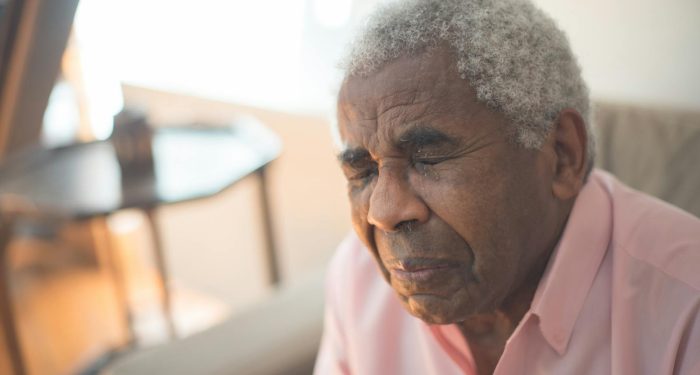
After decades of filing away unprocessed emotions while racing through careers and raising families, retirees are discovering their nervous system has been patiently cataloguing every feeling they were too busy to acknowledge—and is now ready to sort through forty years of emotional paperwork in vivid, therapeutic dreams.
Think about your nervous system as the world's most patient filing clerk. For decades, while you're racing through workdays, raising children, meeting deadlines, paying mortgages, this clerk is quietly filing away every emotion you don't have time to process. That flash of grief when you miss your father at your child's graduation? Filed. The unexpected tenderness from a colleague during a brutal work week? Archived. The bone-deep exhaustion you couldn't acknowledge because the kids needed dinner? Carefully catalogued and stored.
Our working years demand a kind of emotional triage. We feel what's urgent, what's useful, what helps us survive until Friday. Everything else gets shelved. But the body, in its infinite wisdom, doesn't throw anything away.
Dr. Michael J. Breus, a clinical psychologist and sleep specialist, explains that "Dreams are a way for our brains to process stress and emotionally charged memories." What he doesn't mention is how patiently those memories wait their turn.
The emotional archaeology of retirement dreams
In my widow's support group - six women who've all buried someone - we talk about these dreams like archaeologists discussing layers of sediment. Sarah dreams about her daughter's wedding but she's every age she's ever been, watching from different corners of the reception hall. Linda sees her late husband young again, building the deck that's long since been replaced, and wakes feeling like she's had a conversation with him.
What strikes me most is how these dreams aren't anxious or haunting. They're integration dreams, weaving together threads we were too busy to braid when they first appeared. The colleague who covered my classes when my mother was dying appears in dreams now, and I finally, truly feel the weight of that kindness. My first husband, who left when the children were small, sometimes visits my dreams not as the villain I needed him to be but as the confused young man he actually was.
Do you remember being too tired to cry properly? Too scheduled to grieve? Too needed to fall apart? Your nervous system remembers. And when you finally give it space - through retirement, through slower mornings, through permission to just be - it begins its gentle work of feeling backwards.
What the science tells us about emotional processing
The research on this is both validating and slightly heartbreaking. Our brains are constantly recording, constantly processing, but during our working years, the executive function takes priority. We suppress, we defer, we promise ourselves we'll deal with it later. And remarkably, wonderfully, sometimes we actually do - just decades after the fact.
Sigmund Freud, the neurologist and psychoanalyst, noted that "Dreams are often most profound when they seem the most crazy." Those bizarre retirement dreams where you're teaching your high school class but your students are all the ages of your grandchildren? That's not crazy - that's integration, your brain finally having the bandwidth to connect experiences across time.
I think about my students often in these dreams. The girl who wrote poems about hunger appears, but now I understand she wasn't just talking about food. The boy whose essays always mentioned broken things visits my dream classroom, and I finally see he was writing autobiography. These dreams don't torment me with what I missed; they complete the understanding I was too overwhelmed to reach for then.
There's a short video I keep thinking about, called Dreams: The Untamed Power on the Other Side of Your Mind. It gave me language for something I'd been circling. The argument, roughly: when we sleep, the part of the brain that edits and curates and performs goes largely offline, and what comes through in that unguarded state isn't distortion. It may be the most honest thing the mind produces.
That landed. Because what I've been describing here - the students I finally understand, the kindnesses I can finally feel the weight of - isn't fantasy. It's the editor finally stepping aside. If you've been waking from dreams that feel more real than yesterday, I'd watch it.
Watch: Dreams: The Untamed Power on the Other Side of Your Mind →
Making peace with delayed emotions
Here's what I've learned six years into retirement: there's no statute of limitations on feeling. The grief you postponed during your thirties will wait. The anger you swallowed during your forties keeps. The joy you were too tired to fully inhabit - it's all there, patient as seeds in permafrost, ready to bloom when conditions allow.
Last week, I dreamed about teaching Hamlet to my sophomores while simultaneously being my mother, standing at her own classroom blackboard in 1952. When I woke, I understood something about inherited exhaustion, about generations of women who taught through their tiredness. The dream wasn't confusing; it was comprehensive, showing me how stories nest inside each other like Russian dolls.
Can you give yourself permission to be the person who dreams vividly now? Who processes decades of deferred feeling? Who lets their nervous system finally sort through the filing cabinets of emotion it's been faithfully maintaining?
Final thoughts
Your vivid retirement dreams aren't a sign of dysfunction - they're evidence of a functioning system finally having resources to allocate to emotional processing. Every dream that weaves together past and present, every midnight visitation from people long gone, every impossible timeline where you're simultaneously young and old - these are gifts from the part of you that kept perfect records while you were too busy surviving to feel everything that deserved feeling.
So when you wake at dawn from dreams more real than yesterday's grocery run, know that your nervous system is simply, lovingly, catching you up on the emotional news you were too busy to read the first time around. You're not sleeping differently. You're finally sleeping with permission to feel it all.