
While extroverts fill their homes with conversation pieces and entertainment centers, introverts desperately need these seven specific features that most people overlook—and without them, even being home feels exhausting.

Add VegOut to your Google News feed. 
Ever wonder why some people's homes feel like a battery charging station while others feel like they're draining your last bit of energy?
I discovered this difference the hard way a few years back. After leaving my financial analyst role, I thought working from home would be paradise. Instead, I found myself exhausted by noon, unable to focus, and feeling oddly depleted despite not leaving my house. The problem? My space was designed for constant stimulation, not restoration.
It took me months of trial and error, plus diving deep into environmental psychology, to realize that as an introvert, my home needed specific features to help me truly recharge. Features that my extroverted friends found completely unnecessary or even boring.
If you're an introvert who feels drained even in your own space, or if you're simply curious about what makes an introvert's ideal sanctuary, these seven home features might just change how you think about your living environment.
1. A designated quiet zone with no technology
You know that feeling when you walk into a library and your shoulders automatically drop? That's what a true quiet zone does for introverts.
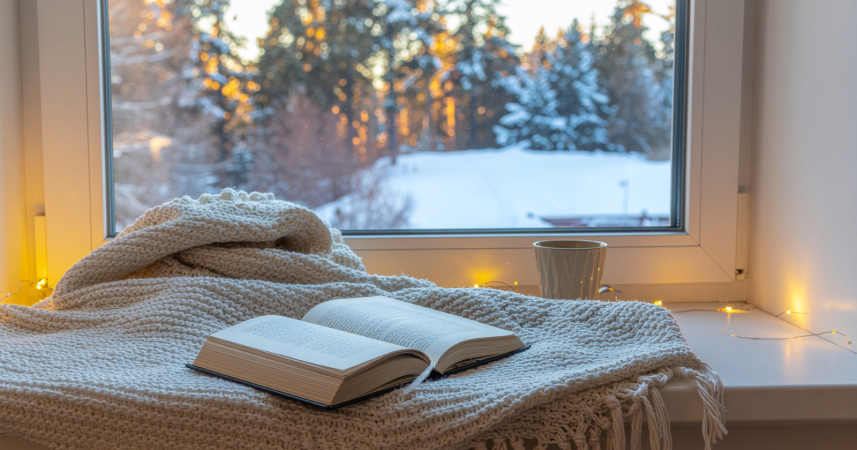
I'm talking about a space completely free from screens, notifications, and digital distractions. Not just a bedroom with the TV turned off, but a genuine sanctuary where technology doesn't even exist. For me, this became a corner of my bedroom with a reading chair, soft lighting, and a stack of books. No phone charger in sight.
Extroverts often ask me, "But what do you DO in there?" The answer is beautifully simple: nothing and everything. I read, journal, stare out the window, or just sit with my thoughts. This space has become so essential to my daily routine that I spend an hour there before bed, letting my mind decompress from the day's stimulation.
The key is making this zone completely separate from work or entertainment areas. When your brain knows this is a no-stimulation space, it automatically shifts into recovery mode the moment you enter.
2. Soft, layered lighting options
Harsh overhead lighting might work for a dinner party, but for introverts trying to recharge, it's like nails on a chalkboard for the nervous system.
I learned this after years of wondering why I felt agitated in my own living room every evening. The solution came when I replaced my bright ceiling lights with multiple soft light sources: table lamps, string lights, candles, and a dimmer switch on the main light.
Now I can adjust the ambiance based on my energy levels. Morning calls for brighter light near my workspace. Evening means warm, dim lighting that signals my brain to start winding down. Those 5:30 AM trail runs I take? I come home to gentle lamp light, not shocking overhead fluorescents.
My extroverted friends find this "mood lighting" unnecessary or even gloomy. They want bright, energizing spaces. But for introverts, controlling light intensity is like having a volume knob for your environment.
3. A private outdoor access point
Whether it's a balcony, patio, or even just a window that opens wide, having immediate access to fresh air and nature without going through common areas is introvert gold.
Picture this: you need a breather from an intense work call, but the thought of walking through your apartment building's busy lobby or past chatty neighbors makes you want to stay inside. A private outdoor space solves this instantly.
Mine is a small balcony where I keep plants from my gardening hobby. Some mornings after my trail run, I'll have tea out there in complete silence, watching the world wake up. No small talk with neighbors required. No performative friendliness needed. Just me, my thoughts, and the fresh air.
Research consistently shows that even brief nature exposure reduces cortisol levels and improves mood. For introverts who are already managing limited social energy, having private nature access means we can get these benefits without the additional drain of unexpected social interactions.
4. Comfortable seating for one
Notice how most furniture is designed for socializing? Massive sectional sofas, dining tables for six, conversation-friendly seating arrangements. But where's the perfect chair just for you?
Introverts need at least one piece of furniture that's specifically designed for solitary comfort. Not a spot on the couch, but a dedicated chair or nook that's yours alone. Mine is a reading chair positioned perfectly by the window, angled away from the TV and main seating area.
This might sound selfish to extroverts who see homes as entertainment spaces. But having a physical space that's just for you sends a powerful message to your brain: it's okay to be alone here. You don't need to be "on" or available.
5. Visual simplicity and organization
Cluttered spaces create mental clutter, and introverts are already processing tons of internal stimuli.
I discovered this truth when analyzing why certain rooms in my home felt restorative while others felt draining. The pattern was clear: simpler, more organized spaces gave me energy, while visually busy areas depleted it.
This doesn't mean stark minimalism. It means thoughtful curation. Choose a calming color palette. Keep surfaces relatively clear. Use closed storage to hide visual noise. Create clear zones for different activities.
My extroverted friends love gallery walls, bold patterns, and surfaces covered with conversation starters. Their homes are designed to stimulate and engage. But introverts need visual breathing room to let our constantly processing minds rest.
6. Soundproofing or white noise capabilities
Can you truly relax when you hear every footstep from upstairs, every car passing by, every conversation in the hallway?
For introverts, unexpected sounds aren't just annoying; they're mentally exhausting. Each noise demands attention, pulling us out of our internal world. That's why sound control is crucial for recharging.
This could mean investing in soundproof curtains, a white noise machine, or even just strategic furniture placement to buffer noise. I use a combination: a white noise app during work hours, thick rugs to absorb sound, and bookshelves along shared walls.
The goal isn't complete silence but predictable, controllable sound. When you know you won't be startled by sudden noises, your nervous system can actually relax.
7. A flexible social space with boundaries
Here's something that surprises people: introverts don't hate socializing. We just need it on our terms, with clear boundaries and exit strategies.
This means designing social areas that can be easily opened or closed off. Think pocket doors, room dividers, or furniture arrangements that create natural boundaries. My living room can transform from an open social space to a cozy, private retreat just by adjusting a room divider and changing the lighting.
The key is having control. When friends visit, I can create an inviting space. When I need to recharge, I can literally close off that same space and retreat to my quiet zones without feeling guilty or rude.
Final thoughts
Creating an introvert-friendly home isn't about being antisocial or boring. It's about recognizing that some of us recharge differently and designing our spaces accordingly.
If you're an introvert feeling constantly drained, look around your home. Does it support your need for quiet reflection? Can you control the level of stimulation? Is there space that's truly, completely yours?
Start small. Pick one feature from this list and experiment. Maybe it's creating that tech-free quiet zone or investing in some soft lighting. Notice how your energy levels change when you give yourself permission to design your space for restoration, not just presentation.
Your home should be your sanctuary, not another source of overwhelm. And if extroverts don't understand why you need a reading nook more than a entertainment system? Well, they don't have to live there.












