The vegans I've watched grow bitter with age aren't the ones who got sick or lost their savings — they're the ones still gripping the blueprint of a life that was never going to happen.

Add VegOut to your Google News feed. 
I've been thinking lately about two people I know, both vegan for decades, both in their early seventies. One of them radiates something I can only describe as settled. The other vibrates with a low, constant frequency of resentment that fills every room she enters. They eat remarkably similar diets. They have comparable savings. They're both in reasonable health. And yet, sitting across from each of them over the same week, I felt like I was witnessing two entirely different arguments about what a human life is supposed to add up to.
That contrast has stayed with me, not because it surprised me, but because it confirmed something I've been circling for years. The thing that separates the vegans who age with a kind of luminous peace from the ones who age with clenched jaws and bitter running commentary almost never traces back to their bloodwork or their bank accounts. It traces back to grief. Specifically, whether they ever learned to do it.
The life you planned is a kind of person you have to bury
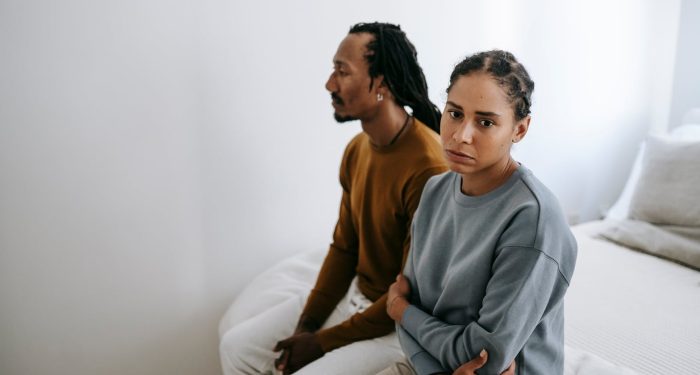
There's a version of your future that started forming when you were twenty-two, maybe younger. It had details. A garden with raised beds. A partner who understood your choices without needing them explained. A body that cooperated. Children, or meaningful work, or both, arranged in an order that made narrative sense. For those of us who went plant-based early, that vision often included a quiet vindication: the world would eventually come around, the science would win, and we'd be standing there, healthy and right, when it did.
Some of that happened. A lot of it didn't. And the gap between those two realities is where bitterness takes root, not because the gap exists (every human life has one) but because so many people never pause long enough to acknowledge it. They skip straight from disappointment to coping, from loss to "keeping busy," from heartbreak to the next batch of cashew cheese. The planned life dies quietly and nobody holds a service.
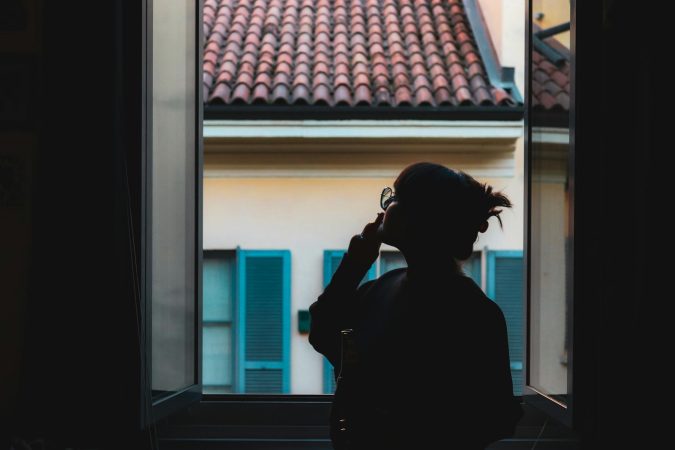
I think about grief researchers who study what's called predeath grief, the mourning that happens before an actual loss is complete. Research suggests this type of anticipatory grief, initially studied in the context of dementia caregivers, describes the experience of grieving someone who is still physically present but already gone in the ways that mattered. What strikes me is how perfectly that maps onto what happens when we lose a future self. The person you were going to become is still alive in your imagination, still showing up at dinner parties in your mind, still thriving in that parallel life where everything went according to plan. You grieve them while they haunt you.
Why the vegan community makes this harder
Being part of a values-driven community is powerful. It can also trap you in a narrative where suffering is supposed to mean something, where sacrifice should produce results, where doing the right thing entitles you to a particular outcome. I've met longtime vegans who feel genuinely betrayed by their own aging bodies, as if thirty years of clean eating should have exempted them from arthritis, from loneliness, from the slow erosion of relevance that comes with getting older in a culture obsessed with youth.
That betrayal curdles into something specific: the belief that the world owes you a return on your investment. And when the return doesn't come (when your joints still ache, when your adult children still eat meat, when the planet is still burning) the temptation is to sharpen yourself against everyone around you. To become the person at the potluck who can't stop correcting people. To become the commenter online who mistakes cruelty for honesty. There are things plant-based boomers are exhausted from explaining, and that exhaustion is legitimate. But there's a difference between being tired of explaining and being angry that the world required explanations at all.
The bitter ones, when I really listen to them, aren't angry about the present. They're angry about the distance between where they are and where they were supposed to be. They're grieving without knowing they're grieving. And unprocessed grief, as research in psychoneuroimmunology suggests, doesn't just stay emotional. It becomes inflammatory. It settles into the body as chronic tension, disrupted sleep, elevated cortisol. The very thing you refused to feel starts reshaping your biology.
What acceptance actually looks like (it's not what you'd expect)
I want to be careful here, because "acceptance" has been co-opted by wellness culture into something that looks like smiling through pain while holding a smoothie. That's performance. Real acceptance is closer to what happens at a funeral when the eulogies are over and everyone has gone home and you're sitting alone in a quiet room understanding, fully and without defense, that something is gone and nothing will replace it.
The vegans I know who age with grace have all, at some point, had that reckoning. They've sat with the fact that their marriage didn't last, or their activism didn't change the world the way they hoped, or their body started declining despite decades of careful eating. They didn't spin it into a lesson. They didn't reframe it as a blessing. They just let it be a loss.
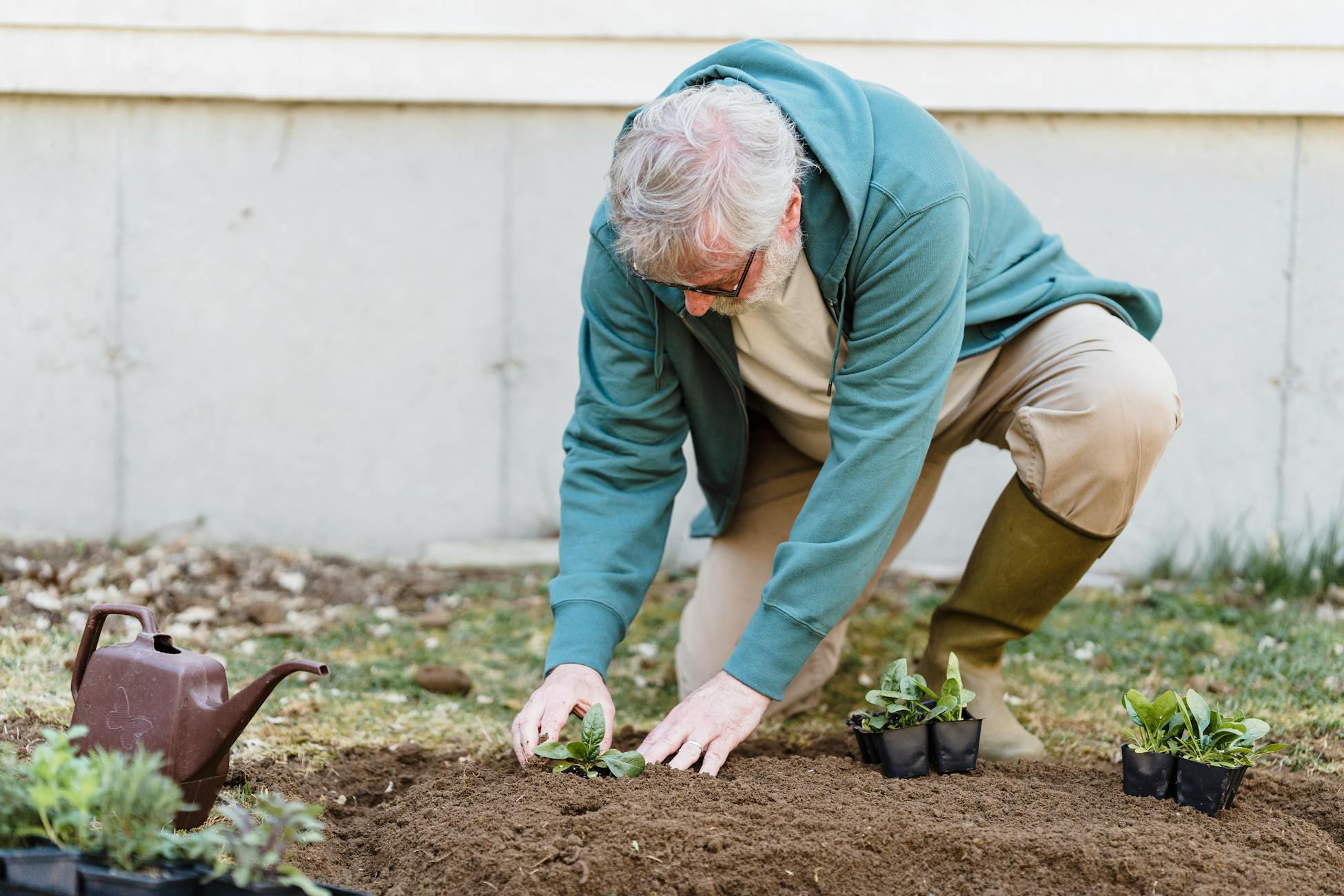
And something remarkable happens after that. A kind of spaciousness opens up. The energy that was being used to maintain the fiction of the planned life becomes available for the actual one. I've watched people in their late sixties suddenly take up painting, not because they read an article about neuroplasticity but because they finally stopped waiting for the life where they were too busy being successful to paint. Some of them have quietly acknowledged that practicality was never the same thing as wisdom, and that admission alone seems to lighten something fundamental in them.

The fear underneath the bitterness
Here's what I think most people miss about the bitter ones: they're terrified. Underneath every sharp comment and every exhausting monologue about how things should have been, there's a person who is afraid that if they stop holding onto the planned life, they'll have nothing. That the actual life, the one with the compromises and the disappointments and the ordinary afternoons, won't be enough to justify the years they spent living it.
That fear is understandable. And it's worth noting that research has found that anxiety about aging may actually accelerate biological aging itself, creating a vicious cycle where the fear of decline produces the very decline being feared. The people most afraid of aging poorly may be the ones whose bodies respond most dramatically to that fear. Which means the psychological work of acceptance and grief processing carries physiological consequences far beyond what we might assume.
I've seen this fear loosen its grip in real time. I sat with a man once, seventy-one, vegan since the early nineties, who told me he'd spent ten years being furious that his wife left him for someone who ate steak. "I was right about everything," he said, "and she left anyway." He laughed when he said it, the kind of laugh that holds an ocean. He'd stopped needing the story to make sense. He'd stopped needing to be the protagonist of a narrative about virtue rewarded. And in that release, he'd found something he described as "the first real peace of my life."
The quiet practice of letting go
Grief, for the planned life, doesn't happen in a single dramatic moment. It happens in layers, over years, in the space between waking up and getting out of bed. It happens when you see someone living the life you thought would be yours and you feel that pull in your chest and you let it be there without turning it into a story about injustice. It happens when you look at your actual life, the messy and imperfect and sometimes lonely reality of it, and you say: this is what happened. This is what I have. There are things you don't owe anyone an explanation for, and this particular reckoning is one of them. It belongs to you.
The people who do this work tend to share certain qualities. They become better listeners. They stop trying to convert anyone to anything. They develop a gentleness around other people's failures that can only come from having been honest about their own. They still care deeply about animal welfare, about the planet, about the ethics that brought them to this way of living. But the caring loses its edge. It becomes something warmer and wider, less about being right and more about being present.
I think about the two people I mentioned at the beginning, the settled one and the resentful one. They've both lived hard lives. They've both made sacrifices. They've both been dismissed by family members and misunderstood by doctors and ignored by a culture that only started taking plant-based living seriously about five minutes ago. The difference between them is that one of them buried the life she planned, grieved it properly, and then turned toward the life she had with something close to tenderness. The other is still carrying the blueprint around like a warrant, demanding that reality honor it.
And I understand both of them. I really do. Because letting go of the life you planned requires admitting that you are not, and never were, in control of the story. That's a devastating thing to accept. It's also, for reasons I can feel more than explain, the beginning of something that looks remarkably like calm, focus, and lightness. The kind that doesn't come from what you eat or what you earn. The kind that comes from finally, after all these years, putting down what was never yours to carry.
What’s Your Plant-Powered Archetype?
Ever wonder what your everyday habits say about your deeper purpose—and how they ripple out to impact the planet?
This 90-second quiz reveals the plant-powered role you’re here to play, and the tiny shift that makes it even more powerful.
12 fun questions. Instant results. Surprisingly accurate.