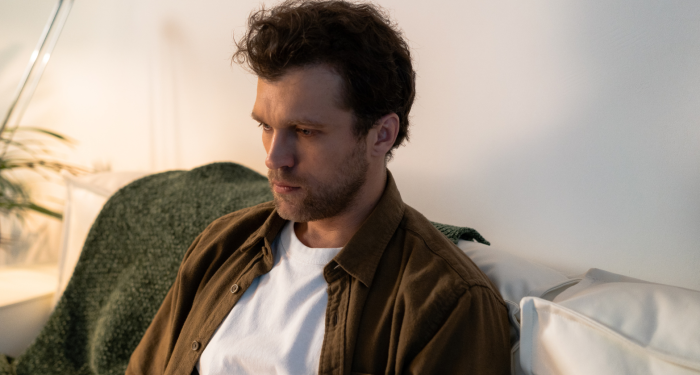
Most apologies are just performances we've perfected—the right words, the right tone, even the right sad face—but when the same hurt happens again next week, you realize you've been collecting IOUs that will never be cashed.
You've heard the apology a hundred times before. Maybe it was from that friend who always cancels plans at the last minute, or the partner who promised to stop checking their phone during dinner, or the colleague who keeps "forgetting" to include you in important meetings. The words sound sincere enough: "I'm really sorry. I didn't mean to. It won't happen again."
But here's what happens next: nothing changes. The same patterns repeat, the same hurts resurface, and you're left wondering if the apology meant anything at all.
This disconnect between saying sorry and actually changing behavior is something I've been thinking about a lot lately, especially after going through couples therapy with Marcus a few years back. What I learned completely shifted my understanding of how real healing happens in relationships.
The comfort of empty words
We live in a culture that loves apologies. Public figures issue them through PR teams, companies craft them after scandals, and we've all become experts at the quick "sorry" that smooths over awkward moments. But there's something crucial missing from most of these apologies: actual change.
Pumla Gobodo-Madikizela, an author who's studied reconciliation extensively, puts it perfectly: "A genuine apology focuses on the feelings of the other rather than on how the one who is apologizing is going to benefit in the end."
Think about that for a second. How many apologies have you received that were really about making the other person feel better about themselves? The "I'm sorry you feel that way" non-apologies, or the lengthy explanations that somehow turn you into the one offering comfort?
I remember sitting in therapy, realizing I'd become a master of the performance apology. I could say all the right words, show the right amount of remorse, but when it came to actually examining why I kept making the same mistakes? That was territory I wasn't ready to explore.
What real accountability looks like
Hari G. Darcy describes it simply: "An apology is a verbal acknowledgment of harm." But accountability? That's the hard work that comes after the words.
During one particularly difficult therapy session, our therapist asked me to stop apologizing and start explaining what I was going to do differently. No more "I'm sorry I shut down when we argue." Instead, it became "When I feel overwhelmed, I'm going to ask for a 20-minute break to collect my thoughts instead of going silent."
The difference was immediate and uncomfortable. Suddenly, I couldn't hide behind the shield of remorse. I had to commit to specific actions, and more importantly, I had to follow through.
Research from the Journal of Nonverbal Behavior found that people have a mental representation of an apologetic face, with sadness being a key feature. We've become so good at performing the right emotions that we sometimes forget the actual work of change.
Why we choose apologies over accountability
Let's be honest: apologizing is easier. It's a moment of discomfort followed by (hopefully) forgiveness. Accountability, on the other hand, requires sustained effort, vulnerability, and the willingness to fail and try again.
I had a friend who constantly competed with me. Every achievement I shared became a launching pad for her own accomplishments. Every struggle I mentioned was met with a bigger problem of her own. She'd apologize when called out, say she didn't realize she was doing it, promise to be more supportive. But the pattern never changed.
Eventually, I had to end that friendship. Not because she couldn't apologize, but because she couldn't be accountable. The apologies became meaningless when they weren't backed by any effort to understand or change the behavior.
Dr. Cara Gardenswartz & Nancy Sweeney note that "A sincere apology begins with the person acknowledging the harm caused and accepting responsibility for it." But accepting responsibility means more than just saying you were wrong. It means examining why you did what you did and taking concrete steps to ensure it doesn't happen again.
The vulnerability of real change
Here's something that surprised me: accountability is scarier than apologizing because it requires us to admit we're capable of change. If we can change, then why haven't we already? If we can do better, what's been stopping us?
Tyler Woods, a psychologist, says "Apologies matter because they are potentially the bridge between hurt and healing." But that bridge only holds if it's built with accountability on the other side.
I think about my decision to leave my six-figure finance job at 37. For years, I apologized to Marcus for being stressed, for bringing work home, for missing important moments. But it wasn't until I took accountability for choosing my career over our relationship that real change became possible. The apologies were band-aids; leaving that job was surgery.
How to move from apology to accountability
So how do we make this shift? How do we stop being professional apologizers and start being accountable?
First, pause before you apologize. Ask yourself: am I about to change this behavior, or am I just trying to make this uncomfortable moment go away? If it's the latter, maybe skip the apology altogether until you're ready to pair it with action.
Second, get specific about what you're going to do differently. Not "I'll try harder" or "I'll do better." What exactly will you do? When? How will the other person know you're following through?
Third, accept that accountability means accepting consequences. A fascinating study in the Journal of Personality and Social Psychology found that observers can distinguish between spontaneous and coerced apologies, while recipients may not. People know when you're just going through the motions.
Final thoughts
Davia Sills, a psychologist, reminds us that "Apology is reconciliation, not submission." True reconciliation requires both parties to move forward, and that can't happen when one person is stuck in a cycle of empty apologies.
The truth is, most of us are pretty good at saying sorry. We've learned the language, the tone, the appropriate level of regret to display. But accountability? That's where the real work lives. That's where relationships either grow stronger or reveal their limitations.
Next time you're about to apologize, ask yourself: am I willing to do the work that comes after these words? Because an apology without accountability isn't really an apology at all. It's just noise that temporarily drowns out the real issue.
And maybe that's the biggest lesson I've learned: the people who truly deserve our apologies also deserve our accountability. They deserve to see us struggle with change, fail, and try again. They deserve more than our words. They deserve our transformation.