
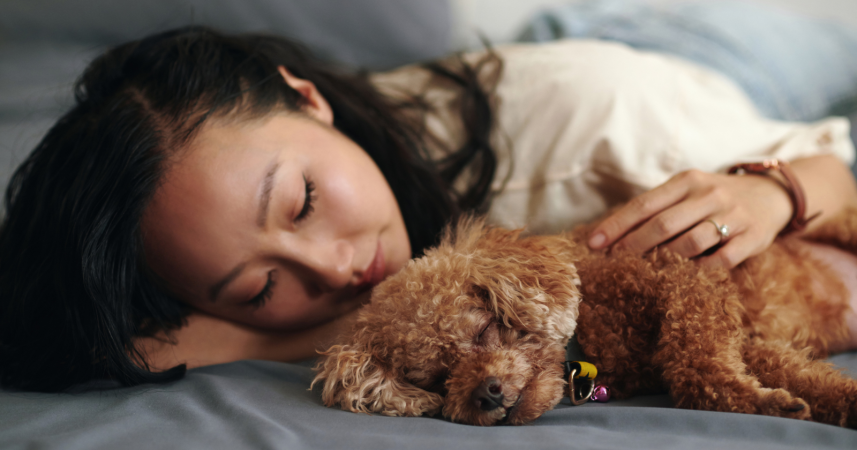
Psychology reveals that dog lovers share a fascinating set of personality traits that go far beyond simply enjoying walks and playing fetch—and the research might surprise you.

Add VegOut to your Google News feed. 
Ever wondered why your dog-loving friends seem to share certain personality traits?
According to a University of Texas study involving over 4,500 participants, dog people consistently score higher on specific psychological dimensions that set them apart from their feline-preferring counterparts.
I've always been fascinated by what our pet preferences reveal about us: During my years as a financial analyst, I noticed something curious: the dog owners in our office tended to be the first to organize team lunches, while the cat people often preferred working independently.
Turns out, psychology backs up these observations.
If you're a dog person, you might recognize yourself in these eight characteristics that research suggests are more common among canine enthusiasts.
And if you're a cat person? Well, you might gain some insight into what makes your dog-loving friends tick.
1) Higher extroversion levels
Do you find yourself energized by social gatherings rather than drained by them?
Dog lovers tend to score significantly higher on extroversion scales, according to research.
This makes perfect sense when you think about it. Dogs require regular walks, trips to the dog park, and social interactions with other pet owners. You can't exactly be a hermit when your furry friend needs their daily dose of outdoor adventure.
I noticed this firsthand when I joined my local trail running group: The members who brought their dogs along for weekend runs were invariably the ones organizing post-run brunches and planning group camping trips.
They thrived on the social connections that came with dog ownership.
Dog people are about 15% more likely to describe themselves as outgoing and seek out social situations. They're the ones who strike up conversations at the vet's office and know all their neighbors by name, thanks to those daily walks.
2) Greater agreeableness
Dog people consistently rate higher in agreeableness, showing more warmth, trust, and cooperative behavior.
Think about the last time you saw someone walking their dog: They probably smiled at strangers, let kids pet their pup, and chatted with other dog walkers.
This reflects a fundamental personality trait: Dog lovers tend to be more trusting and giving.
They're often the colleagues who volunteer to help with projects, the friends who show up when you need to move, and the neighbors who water your plants when you're away. This cooperative spirit seems to align naturally with the pack mentality that dogs embody.
In my experience working with teams for nearly two decades, the dog owners were typically the mediators during conflicts, finding common ground and keeping the peace.
They valued harmony and worked to maintain it, much like dogs do within their social structures.
3) Higher conscientiousness
Are you someone who thrives on routine and responsibility?
Psychology research indicates that dog people score higher on conscientiousness, displaying more self-discipline, organization, and reliability.
Dogs demand structure; they need regular feeding times, consistent training, and scheduled walks.
You can't hit the snooze button when your golden retriever needs their morning bathroom break. This requirement for routine attracts and reinforces conscientious behavior.
I've seen this play out countless times. My dog-owning running buddies are the ones who show up for 6 AM runs rain or shine.
They plan their vacations around pet-friendly accommodations and arrange their work schedules to ensure their dogs aren't alone too long. This level of planning and commitment spills over into other areas of their lives.
The data supports this observation as dog owners are statistically more likely to stick to exercise routines, maintain regular schedules, and follow through on commitments.
The daily responsibility of caring for a dog cultivates these conscientious traits.
4) Preference for companionship
Do you prefer having someone (or something) by your side most of the time?
Dog lovers typically show a stronger desire for constant companionship compared to cat people, who often value independence more highly.
Dogs offer unwavering presence; they follow you from room to room, greet you enthusiastically at the door, and want to be involved in everything you do.
People drawn to dogs often mirror this desire for connection.
This trait extends beyond pet relationships as dog people are more likely to prefer team sports over solo activities, group vacations over solo travel, and collaborative work environments over isolated offices. They find comfort and joy in shared experiences.
When I switched from finance to writing, I initially struggled with the isolation.
My solution? Working from coffee shops and co-working spaces.
That need for ambient companionship, even from strangers, is something many dog lovers can relate to.
5) Lower neuroticism scores
There's something about a dog's steady presence that both attracts and reinforces emotional stability.
Dogs live in the moment, offering a calming influence that helps regulate their owners' emotions.
Interacting with dogs reduces cortisol levels and increases oxytocin production. Over time, this can contribute to lower overall anxiety levels and better stress management.
Dog people often develop coping mechanisms that involve physical activity (walks), routine (feeding schedules), and unconditional emotional support (canine cuddles).
The correlation is striking: dog owners report feeling less lonely, less stressed, and more emotionally balanced than non-pet owners.
While causation is complex, the relationship between dog ownership and emotional stability is well-documented.
6) Traditional personality traits
Dog people more often display traditionally conventional personality traits and prefer established ways of doing things.
This doesn't mean dog lovers can't be creative or innovative. Rather, they tend to appreciate structure, rules, and clear expectations.
They're comfortable with hierarchy (pack leadership) and respond well to established systems.
In my financial analyst days, I noticed dog owners were often the ones who excelled at following established protocols while finding ways to improve them incrementally.
They valued tradition but weren't stuck in it, and they understood the importance of rules, much like they understood the importance of training their dogs consistently.
Dog people are also more likely to value traditional relationship structures, community involvement, and established social norms.
They find comfort in belonging and contributing to their communities.
7) Activity-oriented lifestyle
Are you someone who needs to move to think clearly? Dog owners are significantly more likely to meet recommended physical activity levels, with studies showing they walk an average of 22 minutes more per day than non-dog owners.
But this goes beyond just the practical need to walk a dog. Dog people tend to be inherently more activity-oriented, choosing active hobbies and outdoor pursuits. They're the ones suggesting hikes instead of movies, walks instead of coffee dates.
This active orientation influences many life choices. Dog people are more likely to live in houses with yards rather than apartments, choose vacations that involve outdoor activities, and prioritize physical health.
The dog becomes both a reason for and a companion in an active lifestyle.
My own love for trail running aligns perfectly with this trait.
The dog owners in our running group are consistently the most committed members, showing up regardless of weather or mood because they've integrated activity into their daily identity.
8) Higher dominance and assertiveness
This makes evolutionary sense; dogs respond to clear leadership and consistent boundaries.
Successful dog ownership requires the ability to establish rules and maintain them, traits that translate into assertiveness in other areas of life.
Dog people are often comfortable taking charge of situations, making decisions for the group, and asserting their needs clearly.
They understand the importance of being the "pack leader" and apply this understanding beyond their relationship with their pets.
Moreover, they're comfortable with leadership responsibilities and understand that sometimes being assertive is the kindest thing you can do, whether for a dog who needs structure or a team that needs direction.
Final thoughts
These eight characteristics paint a picture of dog lovers as extroverted, agreeable, conscientious individuals who value companionship and activity while maintaining emotional stability and comfortable leadership roles.
Of course, personality is complex, and not every dog lover will display all these traits.
However, research consistently shows these patterns emerging across diverse populations and cultures.
What's fascinating is how our choice of pets both reflects and reinforces certain personality characteristics.
Whether you're a dog person, a cat person, or somewhere in between, understanding these psychological patterns helps us appreciate the beautiful diversity of human personality and the profound ways our animal companions shape who we are.












