Research reveals that those who rarely share their lives online report higher satisfaction levels, while the older generation's skepticism about documenting every moment reflects hard-earned wisdom about the psychological cost of turning life into a perpetual performance.
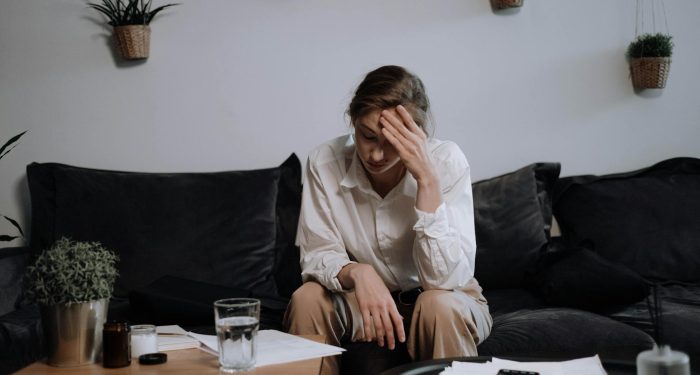
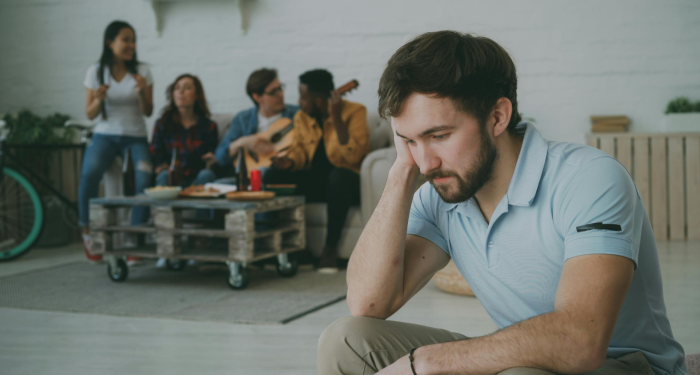
A 2024 scoping review on social media and mental health found something counterintuitive but consistent: the people who spend the most time scrolling, watching, and passively consuming other people's lives report more depression, anxiety, and loneliness than those who use the platforms sparingly or with specific intent. The heaviest posters aren't always the happiest, and the happiest aren't always visible at all.
Which brings me to that friend. The one who shows up to dinner parties with great stories but whose Instagram feed is practically a ghost town. There's something quietly revolutionary about their approach, and psychology keeps backing up what older generations have been muttering about for years.
I recently caught up with a former colleague from my finance days who scrolled through her phone for ten minutes trying to find a photo from her Italy trip. "I know I took one somewhere," she muttered, swiping past hundreds of staged shots from other vacations. Meanwhile, another friend who'd just returned from Japan had zero photos on her feed but spent an hour telling us about the elderly woman who taught her to make proper miso soup in a tiny Kyoto kitchen. Guess which one seemed more alive with the joy of travel?
The performance paradox
When I left my six-figure finance job at 37 to write full-time, something unexpected happened. The colleagues who used to comment on every LinkedIn update disappeared, while the quiet ones reached out with genuine support. It taught me something crucial about the difference between an audience and authentic connection.
Joy is an experience, not a performance. Think about that for a moment. How many sunsets have you watched through your phone screen, trying to capture the perfect shot instead of just feeling the warmth on your face?
The truly content people I know treat their phones like tools, not stages. They pull them out to check directions or answer a text, then tuck them away to continue living. They're not thinking in captions or counting potential likes. They're just present.
Why older generations see through the facade
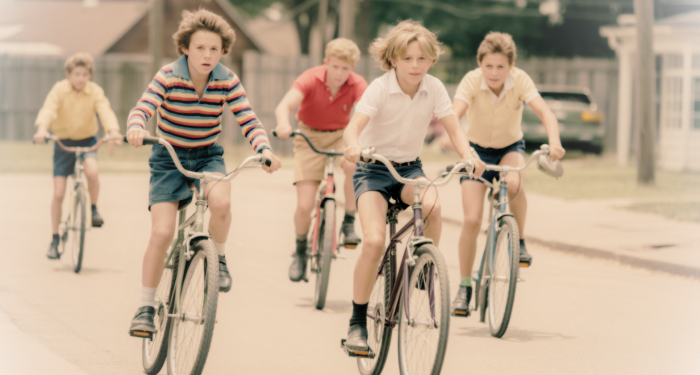
That eye roll from your parent when you photograph your brunch? It comes from a place of wisdom, not judgment. Susan Turk Charles from the University of California, Irvine's Department of Psychology and Social Behavior, found that "Older adults report less distress in response to interpersonal conflicts than do younger adults." This emotional regulation extends to how they view social media theater. They've lived long enough to know that the couples who post the most anniversary tributes often have the rockiest relationships. They've seen enough life to recognize that constant documentation often masks insecurity rather than celebrating joy. They've watched trends cycle, watched friendships dissolve over comment sections, watched grandchildren vanish behind ring lights. And they remember a time when a vacation was just a vacation, a meal was just a meal, and a private moment had no pressure to justify itself to strangers.
During my digital detox weekends, which I started taking regularly after discovering how much clearer my thoughts became without the constant ping of notifications, I noticed something. The urge to document fades after about 24 hours. By Sunday afternoon, I'm just living, not curating. It feels like coming home to myself.
The mental health connection
Here's where the research gets really interesting. A scoping review on social media and mental health found that excessive and passive social media use is associated with increased depression, anxiety, and loneliness, while positive and purposeful use contributes to improvements in mental health and well-being, such as increased perceived social support and enjoyment.
Notice the key words there: passive versus purposeful.
Scrolling through everyone else's highlight reel? That's passive. Using social media to coordinate a community garden project or stay connected with distant family? That's purposeful.
After filling 47 notebooks with reflections since I discovered journaling at 36, I've noticed patterns in my own happiness levels. The weeks when I'm most active on social media are often the weeks I feel least satisfied with my actual life. It's like there's an inverse relationship between online presence and real-world contentment.
The vulnerability trap
Social media promises authentic connection through vulnerability, but there's a crucial distinction many miss.
Real vulnerability happens in quiet conversations over coffee, not in lengthy Instagram captions about your struggles. It's the difference between processing your emotions with trusted friends versus performing them for strangers' validation.
When I went through my achievement addiction recovery, realizing that external validation was never going to be enough, I had to resist the urge to turn it into content. The real work happened in therapy sessions and journal pages that no one will ever see. That privacy was sacred to the healing process.
Living versus documenting
Hasthi Wand, writing about happy couples and social media, nails it: "They're too busy enjoying real life."
Last week at the farmers market where I volunteer, I watched a young couple spend twenty minutes arranging vegetables for the perfect shot while actual shoppers waited. Meanwhile, the older vendor next to me was teaching a child how to tell if a tomato is perfectly ripe by its smell. Which moment held more joy?
The happiest people I know have a different relationship with experiences. They don't see moments as potential content. They see them as life happening right now, unrepeatable and precious in their imperfection. They understand that some things lose their magic the moment you try to package them for public consumption.
Finding your own balance
Does this mean social media is inherently evil? Of course not. Research from Penn State indicates that while overall Facebook use may be linked to lower well-being among older adults, specific activities like posting photos can enhance feelings of competence and well-being, highlighting the importance of how one uses social media.
The key is intention. Are you sharing because you genuinely want to connect, or because you need the validation? Are you documenting to preserve memories, or to prove something to an imaginary audience?
I've found my sweet spot: I post occasionally when something genuinely moves me to share, but I no longer feel obligated to turn my life into a continuous broadcast. My phone stays in my pocket during meals. My morning trail runs happen without earbuds or fitness tracking posts. My garden grows whether anyone sees it or not.
The path forward
The discomfort older generations feel watching younger ones document everything isn't generational grumpiness. It's pattern recognition from people who've learned that happiness isn't found in likes or comments but in the unwitnessed moments of genuine connection and presence.
And yet the pull is real. I still reach for my phone when the light hits the kitchen a certain way. I still feel the small tug to share a good sentence before I've even finished thinking it. The tension doesn't resolve itself neatly, and maybe it isn't supposed to. Some moments want to be witnessed. Others quietly shrink the instant we try.
The happiest people on social media might be the ones you rarely see there, not because they've figured anything out, but because they've stopped asking the question in the first place. Whether that kind of quiet is available to the rest of us, or whether we'll keep reaching for the screen even when we know better, is something each of us answers alone, one unphotographed moment at a time.
If You Were a Healing Herb, Which Would You Be?
Each herb holds a unique kind of magic — soothing, awakening, grounding, or clarifying.
This 9-question quiz reveals the healing plant that mirrors your energy right now and what it says about your natural rhythm.
✨ Instant results. Deeply insightful.

Avery White
Avery White is a writer and researcher who came to food and sustainability journalism through an unusual path. She spent a decade working as a financial analyst on Wall Street, where she learned to read systems, spot patterns, and think in terms of incentives and consequences. When she left finance, it was to apply those same analytical skills to something that mattered to her more deeply: the food system and its environmental impact.
At VegOut, Avery writes about the economics and politics of food, plant-based industry trends, and the intersection of personal health and systemic change. She brings a data-informed perspective to topics that are often discussed in purely emotional terms, while remaining deeply committed to the idea that how we eat is one of the most powerful levers individuals have for environmental impact.
Avery is based in Brooklyn, New York. Outside of writing, she reads voraciously across economics, environmental science, and behavioral psychology. She runs most mornings and considers a well-organized spreadsheet a thing of genuine beauty.
More Articles by Avery