While the rest of us tap screens and scan barcodes in pursuit of efficiency, a growing number of shoppers are deliberately choosing longer waits in cashier lines — not because they can't figure out the technology, but because they've discovered those machines are stealing something far more valuable than our time.
Have you noticed how grocery stores keep pushing us toward those self-checkout machines?
Every time I'm at the store, I watch the same scene unfold. The self-checkout area buzzes with activity while a lone cashier manages the only open traditional lane. People sigh, shift their weight, and eye those machines. Some reluctantly shuffle over. Others plant themselves firmly in the human-operated line, even when it means waiting longer.
For years, I assumed the holdouts were simply resistant to change. Maybe they struggled with technology. Perhaps they enjoyed slowing everyone else down. But recently, I've come to understand something deeper is happening here. These people aren't being inefficient or stubborn. They're protecting something we're all quietly losing: genuine human connection in our everyday routines.
The hidden cost of convenience
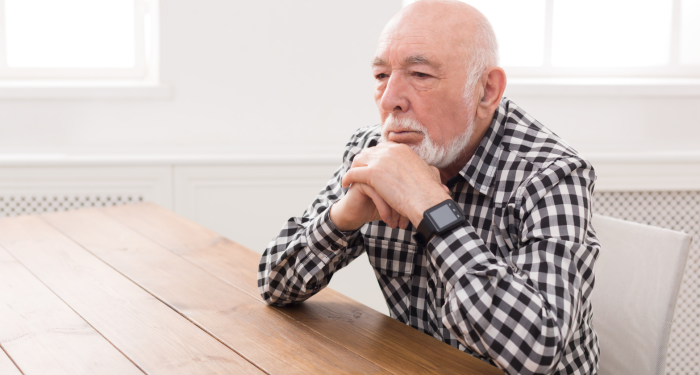
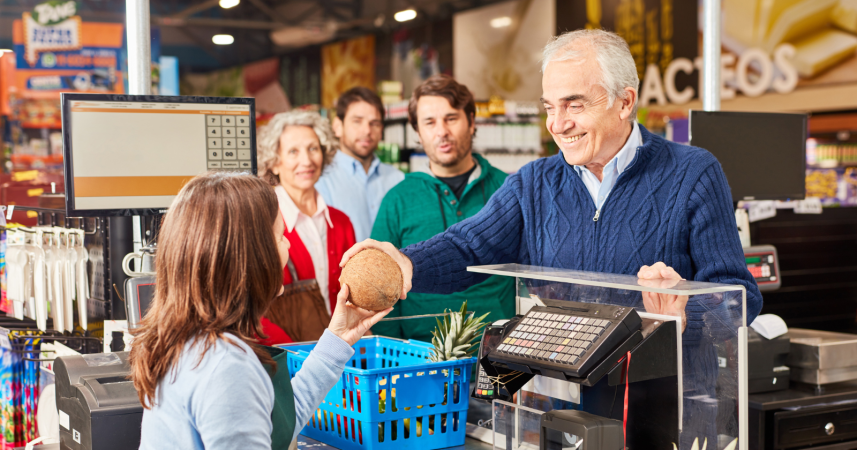
Last Saturday at my farmers' market volunteer shift, an elderly man told me he drives an extra ten minutes to shop at a store with more cashiers. "That checkout conversation might be the only real chat I have all day," he admitted. His words stuck with me.
We live in an age of unprecedented connectivity, yet loneliness has reached epidemic levels. We text instead of call, order groceries online, work from home, and now we're expected to scan our own items while a machine barks instructions at us. Each innovation promises efficiency, but what exactly are we rushing toward?
John Horvat II, author at The American TFP, doesn't mince words: "Self-checkout is also the consequence of corporate cost-cutting. Retailers have welcomed the move because they don't have to deal with employees."
Think about that. Companies aren't just cutting costs. They're cutting connections. They're eliminating those brief moments where someone asks about your day, comments on your recipe ingredients, or simply makes eye contact and smiles.
Why we crave these small moments
During my financial analyst days, I'd often grab lunch at the same deli. Maria worked the register most afternoons. She'd remember my usual order, ask about my weekend plans, occasionally slip an extra cookie in my bag. These weren't deep conversations. We weren't friends. But those interactions mattered.
Toni Antonucci, professor of psychology at the University of Michigan, explains why: "Weak ties — low-stakes, friendly relationships that come out of daily life — help maintain our well-being."
These weak ties serve as social vitamins. They remind us we're part of a community. They provide micro-doses of belonging throughout our day. Remove them, and we start feeling disconnected, even if we can't quite pinpoint why.
I discovered this firsthand when I started working from home full-time as a writer. Without those casual workplace interactions, those spontaneous coffee machine conversations, I felt increasingly isolated. My weekly trail runs helped, but they couldn't replace human interaction. That's partly why I started volunteering at the farmers' market. I needed those small exchanges, those brief connections with strangers who became familiar faces.
The psychology of choosing human interaction
So why do some people consistently choose the cashier line, even when it takes longer?
Joel Pearson, neuroscientist and psychologist at the University of New South Wales, suggests that "Psychologists propose that people may follow 'implementation intentions' and stick with their initial plan even when better options exist."
But I think there's more to it. These aren't people blindly following habits. They're making conscious choices about the kind of world they want to live in. Every time someone chooses a human cashier, they're voting for a society that values people over profits, connection over convenience.
Research backs this up. A study from Drexel University and the University of San Diego found that customers using traditional checkout services are more likely to remain loyal to the grocery store compared to those using self-checkout systems. The human interaction at checkout actually strengthens the customer-store relationship.
When machines promise what they can't deliver
Here's the cruel irony. Self-checkout machines were specifically designed to eliminate the very thing they were quietly counting on it to provide. At least for many of us.
We approach these machines hoping for a quick, pleasant transaction. Instead, we get "unexpected item in bagging area" errors, age verification delays, and the frustration of playing amateur cashier without the training or employee discount.
Meanwhile, research from the Journal of Retailing and Consumer Services found that when stores discontinued self-checkout systems, it actually led to decreased customer satisfaction and smaller basket sizes. People had grown dependent on the technology, even when it frustrated them.
Finding balance in an automated world
Don't get me wrong. Technology has its place. And self-checkout has become a normal part of modern shopping.
Research published in the Journal of Informatics Education and Research found that self-checkout systems can be positively correlated with consumer happiness, particularly when they work smoothly and save time.
The key word there? Balance. We need options. We need stores that recognize not everyone shops for the same reasons or values the same things. Some days, I want to grab my items and go. Other days, especially after hours of solitary writing, I crave that brief exchange with another human being.
What choosing connection says about us
I've filled 47 journals with observations about human behavior since I started this practice at 36. One recurring theme? People hunger for recognition. Not fame or glory, just simple acknowledgment that they exist, that they matter.
The cashier who remembers you prefer paper bags. The one who notices you're buying ingredients for lasagna and mentions their favorite recipe. The teenager who carefully wraps your fragile purchase while chatting about their college plans. These moments matter more than we admit.
When someone chooses to wait in the longer line for a human cashier, they're not being inefficient. They're being deeply, beautifully human. They're recognizing that some things can't be optimized or automated. They're protecting those small, daily exchanges that remind us we're all in this together.
Conclusion
Next time you're at the grocery store and you see someone bypassing the self-checkout for the cashier line, don't judge them for being slow or old-fashioned. They might be onto something the rest of us have forgotten in our rush toward efficiency.
Those brief interactions, those moments of being seen and acknowledged by another person, they're not delays or inefficiencies. They're tiny threads that weave us together as a community. They're reminders that behind every transaction is a human being with their own story, struggles, and need for connection.
I still use self-checkout sometimes. When I'm genuinely in a hurry or buying just one or two items, it makes sense. But more often these days, I find myself in that human-operated line, making small talk about the weather or weekend plans. Not because I have to, but because these small moments of connection are worth protecting.
After all, in a world increasingly mediated by screens and machines, choosing human interaction might be the most radical act of self-care we can practice. And maybe, just maybe, the people refusing to use self-checkout understand something essential: efficiency without humanity is just another form of loneliness.