<p>The alternative protein sector has been through a bruising few years. Funding has tightened, supermarket ranges have been questioned, and some once-hyped plant-based brands have had to prove they can move beyond novelty.</p>
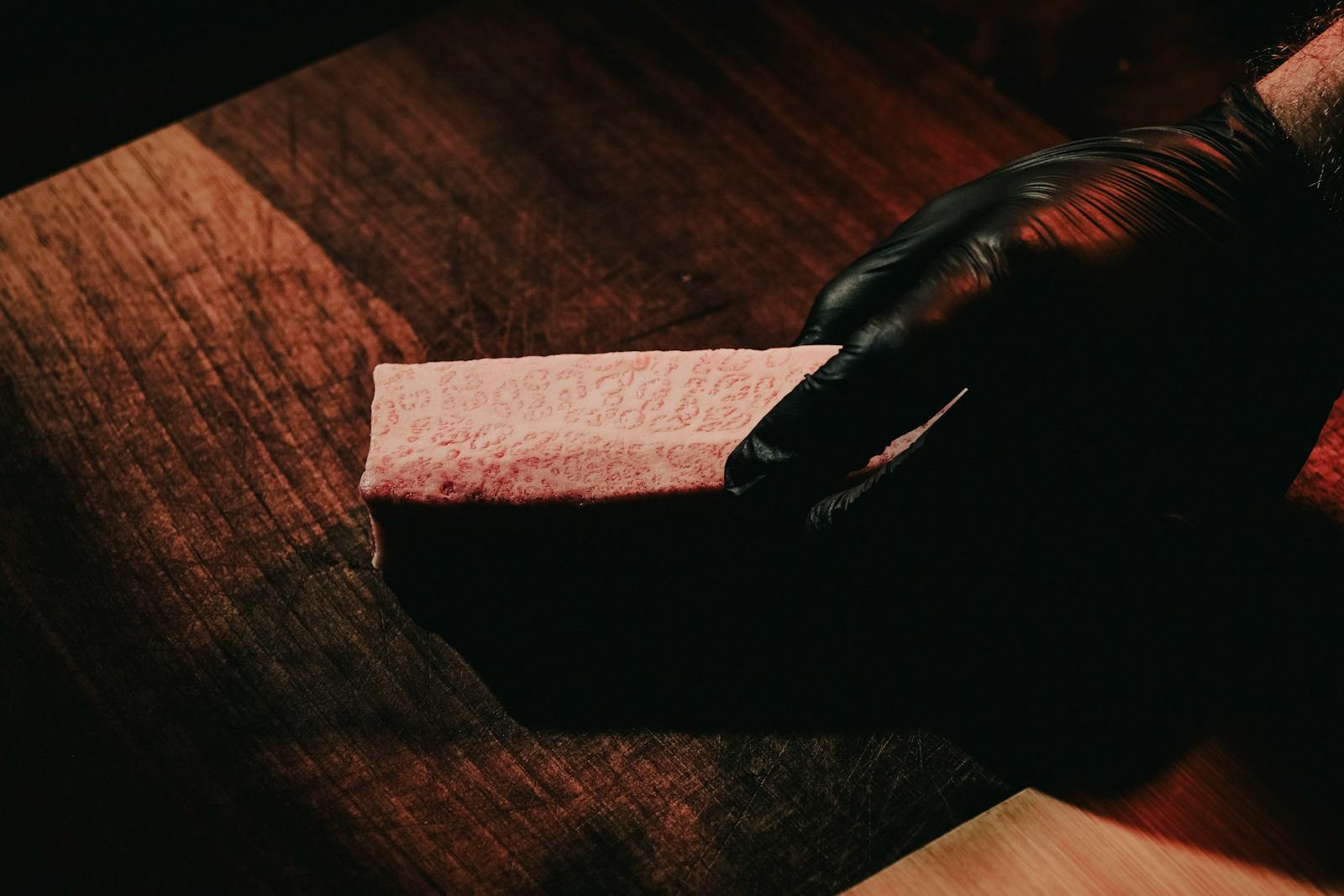
<p>That makes Adamo Foods an interesting test case. The London startup is not trying to win shoppers over with another burger in the freezer aisle. It is preparing a whole-cut steak made from mycelium, grown through submerged fermentation, and the first serious commercial push is planned for foodservice.</p>
<p>That channel choice matters. Restaurants, caterers, and hospitality groups give an unfamiliar protein a different route to the plate. Instead of asking consumers to spot a new brand in a crowded supermarket, buy it cold, cook it at home, and judge it against beef in one sitting, foodservice lets chefs frame the product, handle the preparation, and build the first encounter around texture and experience.</p>
<p>For a whole-cut steak alternative, that is not a small distinction. Burgers and nuggets can lean on familiar shapes. A steak has to do something harder: it has to cut, chew, plate, and feel convincing in a format where texture is the main event.</p>
<p>That is the bet now being backed by European funding. Adamo has won a <a href="https://www.greenqueen.com.hk/adamo-foods-eu-horizon-europe-grant-funding-mycelium-meat-steak/" target="_blank" rel="noopener noreferrer">€10M grant through the EU's Horizon Europe programme</a> for a three-year project designed to scale whole-cut mycelium meat, starting with steak.</p>
<p>The money comes through the Circular Bio-Based Europe Joint Undertaking, a public-private partnership between the EU and the Bio-Based Industries Consortium. The project, called MycoStruct, brings together 12 companies and research institutes, including Bühler, Bidfood Group, TU Delft, Bio Base Europe, Niras, HES-SO, Celabor, TBW Research, TFTAK, Holoss, and Fenix TNT.</p>
<p>The goal is to move Adamo from pilot production toward commercial volumes by using food industry sidestreams as feedstock for mycelium protein. Green Queen reports that the project has also received a STEP Seal award from the European Commission, a mark attached to high-quality biotech innovation aligned with EU economic and climate priorities.</p>
<p>The technical case is built around structure. Adamo says its process grows long, densely grouped mycelium fibres that can recreate the muscle structure of animal protein without binders. That is a different starting point from many plant-based meat products, where texture is often engineered from plant isolates after processing.</p>
<p>The company says its steak uses only five ingredients, contains all essential amino acids, and has a protein digestibility score of 0.99 out of 1, higher than pea, soy, wheat, and even beef protein. It also says the fermentation-derived steak is 93% lower in carbon emissions than conventional beef.</p>
<p>There is a speed argument too. According to the company, mycelium doubles in size every four hours, allowing an entire batch of protein to be grown in a day. Green Queen contrasts that with three months for a plant-based steak and three years for beef.</p>
<p>The scale-up, though, is where the claim will either become commercially meaningful or stay in the category of promising foodtech. Founder and CEO Pierre Dupuis told Green Queen that Adamo is scaling toward a demo plant of more than 5,000 litres and aims to reach 50,000 litres within three years.</p>
<p>Cost is the other test. Dupuis said the company built the technology with cost in mind, allowing it to target price parity from launch and reduce costs further as production scales. That is an important word: target. Price parity is not just a marketing detail in alternative protein. It is one of the reasons many products have struggled to move from early adopters to mainstream diners.</p>
<p>Adamo's planned UK foodservice launch in 2027 gives it a narrower first market and a more controlled setting than a retail-first rollout. That does not guarantee demand. Diners still have to care enough to order it, chefs have to find it useful, and the company has to prove the economics work beyond pilot batches.</p>
<p>But the strategy is different from the last wave in two meaningful ways. The product is not trying to force a whole-cut texture out of an ingredient system built for something else. And the launch is not asking supermarket shoppers to do all the discovery work alone.</p>
<p>That is why the EU funding is worth watching. It is not simply another grant for another meat alternative. It is a public bet that mycelium fermentation, industrial partnerships, and a foodservice-first launch can solve some of the problems that made the previous alternative protein cycle so difficult to sustain.</p>