Most conversations about fossil fuels and food stop at tractor diesel and shipping emissions. The deeper story is that petroleum derivatives are also inside the food itself — in the preservatives, dyes, flavorings, fertilizers, and even the amino acids fed to livestock.
The conventional framing treats fossil fuels as a transport and energy problem. The food system, in this view, just needs cleaner trucks and greener farms. What emerges from examining the industrial food system is messier: petrochemistry is woven into the molecules on the plate, not only the supply chain that delivers them.
Some petrochemical inputs are direct ingredients. Others are processing aids. A few are inputs so far upstream that consumers never see them.
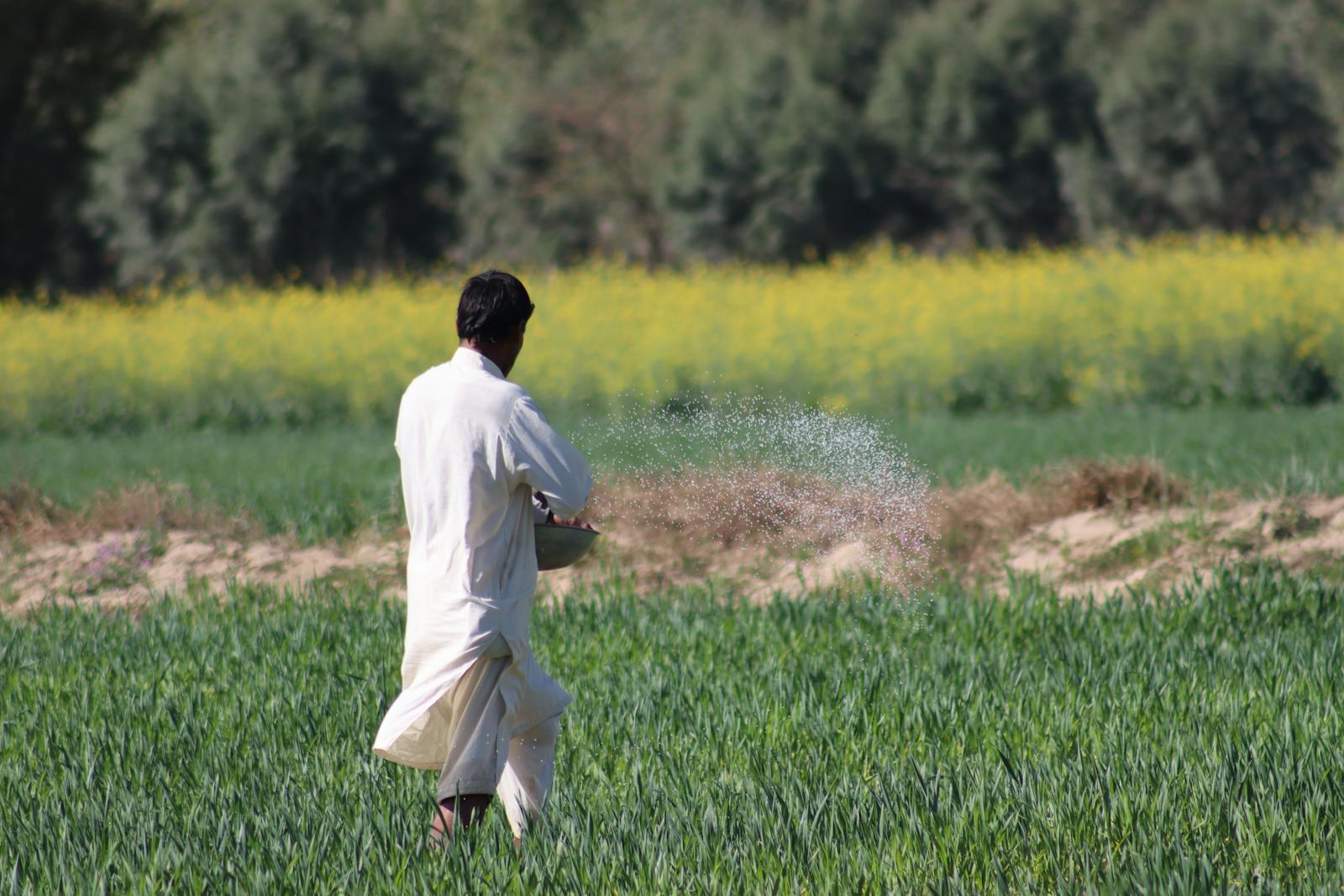
Start with fertilizer. Much of the world's nitrogen fertilizer is produced through the Haber-Bosch process, which combines atmospheric nitrogen with hydrogen pulled from natural gas. When gas prices spike, fertilizer prices follow, and grocery bills follow them.
Then there is synthetic methionine, an amino acid added to animal feed in industrial agriculture. Rather than sourcing it from soy or other plant proteins, it is synthesized from petroleum and natural gas feedstocks through a chain of reactions involving acrolein, methyl mercaptan, hydrogen cyanide, and ammonia. This fossil fuel to protein pipeline is now common in chicken, pig, aquaculture, and dairy production. Over 95 percent of global methionine is produced this way.
The direct additives are where the story gets uncomfortable for anyone who reads ingredient labels. TBHQ, a preservative widely used in frozen meals and high-fat snacks, is a petroleum-derived synthetic antioxidant. BHA and BHT — both used to slow spoilage — also come from petroleum compounds. BHA has raised health concerns and faces restrictions in several countries.
Most vanilla flavoring in processed food is not vanilla. Roughly 85 percent of synthetic vanillin is made from guaiacol, a petrochemical precursor derived from crude oil. The familiar artificial dyes — Red 40, Yellow 5, Blue 1 — also trace back to petroleum feedstocks and were historically known as coal-tar dyes. The FDA itself now refers to them as "petroleum-based food dyes" and is working with manufacturers to phase the major ones out by the end of 2027.
Hexane, a byproduct of gasoline refining, is the standard solvent used to extract oil from soybeans and canola. The point is not that every petrochemical input is dangerous. It is that the food system runs on them.
Newer engineered fats extend the pattern. Olestra, the indigestible fat once marketed in diet snacks, was built by modifying vegetable oils with petroleum-derived chemicals. Its successor, EPG (esterified propoxylated glycerol), uses propylene oxide to alter plant oils and is now showing up in some protein bars. Paraffin wax from petroleum refining coats certain candies, gums, and fruits. Polysorbates and propylene glycol — petrochemical emulsifiers — appear across the processed-food aisle.
The scale of this dependency is staggering. Roughly half of the nitrogen in the human body now traces back to industrial fertilizer made from natural gas, and the global food additives market — much of it petroleum-derived — is valued at well over $100 billion annually. Synthetic methionine alone is a multi-billion-dollar industry that underwrites virtually every supermarket chicken in the developed world. There is no part of the conventional grocery aisle that is more than a few steps removed from a refinery.
The question worth sitting with is who benefits from keeping this architecture invisible. Cheap synthetic methionine props up cheap chicken. Cheap nitrogen fertilizer props up cheap grain, which props up cheap meat and ultra-processed food. The petrochemical inputs are a feature of industrial scale, not a bug.
For readers who want to actually reduce exposure, the levers are concrete. Buy beans, lentils, and grains from producers who use cover-cropping or organic nitrogen fixation rather than synthetic fertilizer. Choose cold-pressed or expeller-pressed oils to avoid hexane extraction. Skip products listing TBHQ, BHA, BHT, Red 40, Yellow 5, Blue 1, polysorbate 60 or 80, propylene glycol, EPG, and "artificial flavor" or "artificial color" without further specification. Vanilla extract instead of vanillin. Whole fruit instead of waxed and dyed candy. None of this is a purity exercise. It is one of the few consumer-side levers that actually reduces exposure to a supply chain most eaters never agreed to opt into — and a small vote against a food architecture that is one oil shock away from showing how fragile it really is.