Mars Petcare is betting that the future of pet food looks less like a slaughterhouse byproduct and more like a fermentation tank. It's looking to Asia to find the companies that will get it there. The confectionery and pet care giant has opened the third edition of its Next Generation Pet Food Program with a sharpened focus on the Asia-Pacific region, as reported by Green Queen.
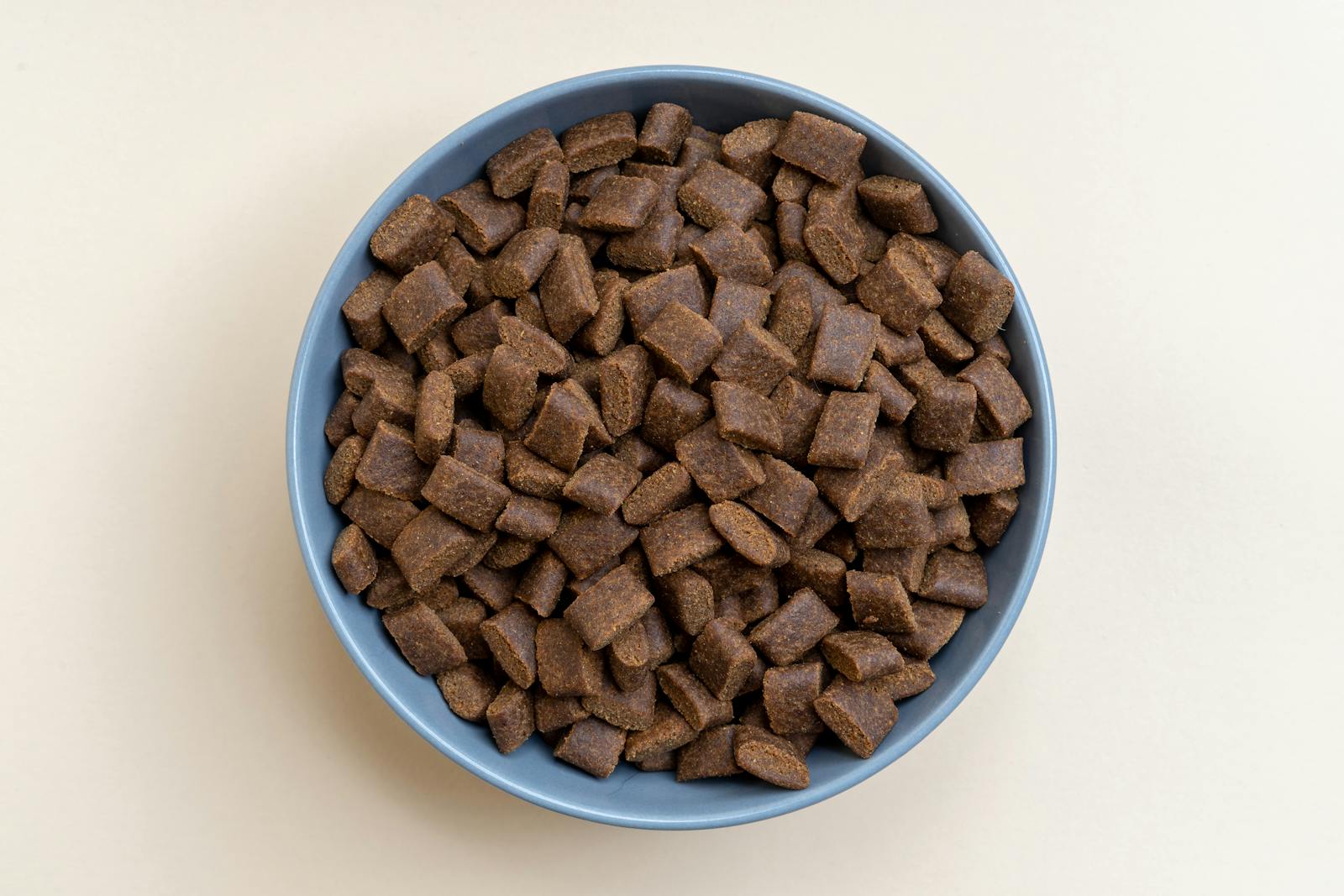
The conventional wisdom on pet food sustainability has long been that kibble is a clever bit of recycling. Animals get slaughtered for human consumption, the leftover bones and offal go into the bowl, nothing is wasted. Tidy story.
The newer research complicates it. Green Queen reports that only around a quarter of animal byproducts in wealthy nations actually end up in pet food, with the rest competing across livestock feed, energy, and pharmaceutical supply chains. Premium meat-heavy formulas can saddle a dog with a bigger dietary carbon footprint than its owner.
The UK number cited in the reporting is the one that tends to stop people: ingredients used in British dog food are estimated to contribute roughly 1% of the country's total greenhouse gas emissions. Scaled globally, producing UK-style dog food for every dog on the planet would generate emissions equivalent to over half the annual output of commercial jet fuel.
Which is why Mars Petcare's program is hunting specifically for animal-free solutions: wet proteins, ultra-low-carbon dry proteins, and sustainable fats and oils to replace animal-derived lipids. The co-organiser is food tech investor Big Idea Ventures, joined by Bühler, Givaudan, AAK, and Ingredion.
According to Green Queen, Mars Pet Nutrition expressed satisfaction with previous program cohorts, noting they had identified promising solutions and technological developments.
The Asia-Pacific tilt is the part worth sitting with. Applications are open globally, but organisers have stated a strong preference for startups in Thailand, India, Malaysia, Vietnam, Australia, and New Zealand.
The demographic logic is hard to argue with. Cats and dogs now outnumber children under 15 in Japan and Taiwan; South Korea's births have fallen by 60% from their 1970s peak while pet-owning households have doubled; and analysts cited by Channel News Asia expect China's pet population to nearly double its under-four population by 2030. Pet parenthood is filling a gap that birth rates aren't — and the people doing the parenting bring their grocery-aisle expectations with them: clean labels, whole foods, climate claims that hold up.
Asia-Pacific is now the second-largest market for alternative proteins, with sales reaching $9.2 billion last year. Survey data from TGM Research places sustainability in the top eight factors driving pet food purchases across the region, and the top five in India and Indonesia.
According to Green Queen, Big Idea Ventures emphasized the importance of Asia's role in building a global system for sustainable ingredient production at scale.
The wider point here is about who controls the pipeline. When a company the size of Mars decides that the next generation of pet food ingredients will be sourced from alternative protein startups, and that the most promising ones are in Asia, it shifts where capital flows, where R&D talent clusters, and which formulations end up in tens of millions of bowls.
That's what makes the Asia-Pacific tilt more than a sourcing decision. Mars is positioning itself where the new pet-owning households are forming fastest, where regulators are most open to novel ingredients, and where the demographic substitution of pets for children is already rewriting what a family grocery basket looks like. The companies that win slots in this program won't just be supplying Mars — they'll be setting the default formulation for a generation of pet parents who never had the option of feeding the way their grandparents did. Whether the bet pays off commercially is a separate question from whether Mars has correctly identified where the category's center of gravity is moving. On that second question, the demographic math is already in.