The headline reads like a retreat. The fuller picture is messier.
Danone is closing its plant-based dairy facility in Bridgeton, New Jersey, eliminating 114 jobs as it moves production elsewhere in the US, according to Food Dive. The plant made products for Silk and So Delicious, two of the most recognizable names in the dairy-alternative aisle.
The shutdown was also confirmed through a New Jersey Worker Adjustment and Retraining Notification filing, reported by Green Queen. Production from Bridgeton is being shifted to Danone facilities in Mt. Crawford, Virginia; Dallas, Texas; and Jacksonville, Florida.
The Bridgeton site was not a random factory. Danone opened it in 2001, and Green Queen reported that the company described it as the first soy protein extraction facility in the United States and Danone’s first site to achieve “zero waste to landfill” status. For a category that once seemed to be moving in only one direction, closing that plant carries symbolic weight.
But the data does not point to a simple collapse. It points to a category breaking into stronger and weaker parts.
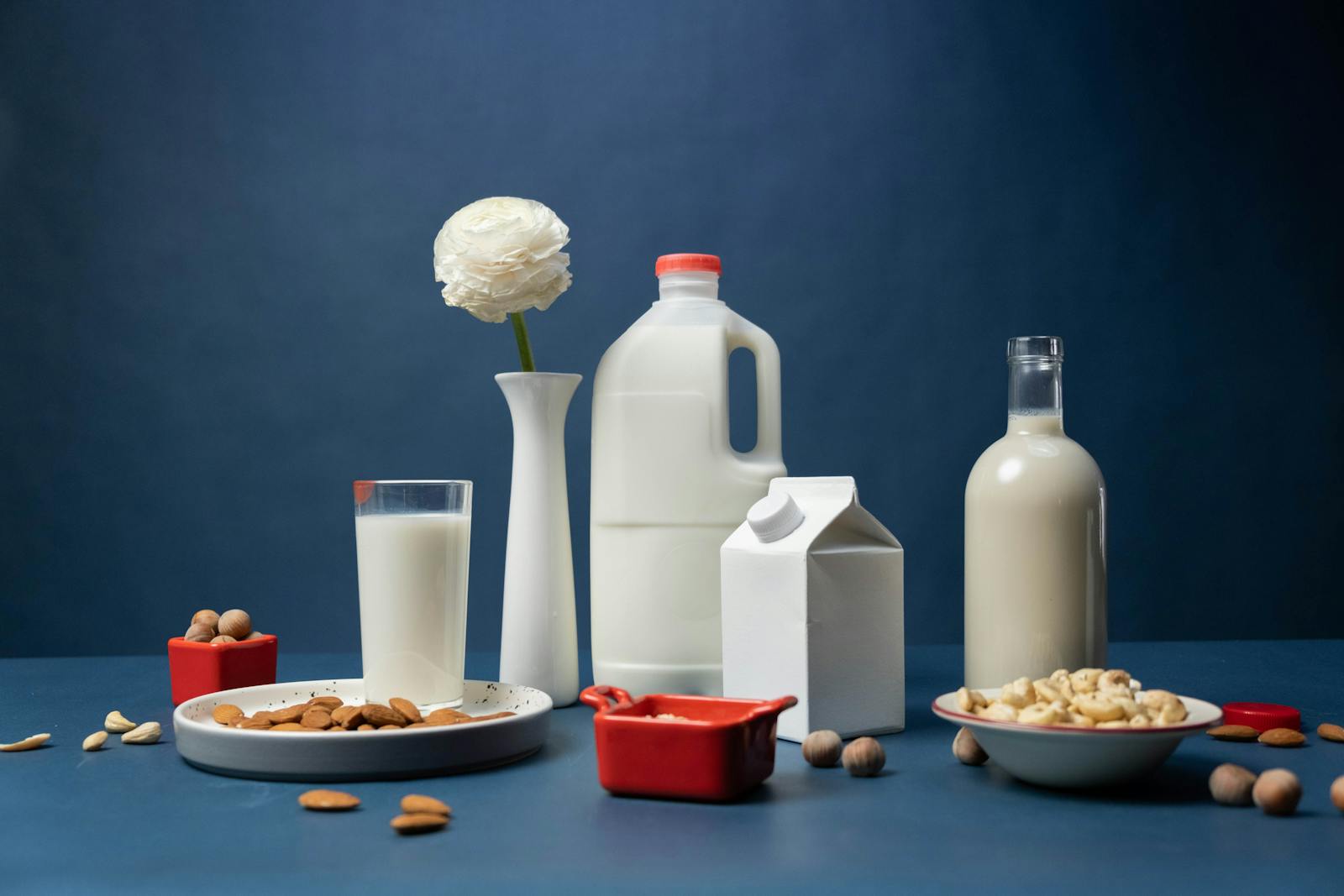
In the US, plant-based milk remains the largest plant-based category, but it is no longer the easy growth engine it once was. Green Queen’s summary of Good Food Institute and SPINS data reported that non-dairy milk sales fell 2% in 2025, even while soy and coconut milk grew. Other formats, including plant-based ready-to-drink beverages, yogurts, creamers, bars, and protein powders, also posted growth.
That is the story hidden inside the Bridgeton closure. Generic cartons of almond, oat, and plant-based milk are under pressure. More specific formats, especially those tied to protein, convenience, medical nutrition, or functional positioning, are still attracting corporate attention.
Europe tells a different story again. In a Green Queen interview, Danone’s European VP of plant-based food, Guillaume Millet, said Alpro was growing by high single digits in Europe and gaining market share in both plant-based beverages and yogurts. The same report said Alpro held 54% of Europe’s vegan yogurt market, with plant-based yogurts making up 40% of its retail value.
In other words, Danone is not walking away from plant-based. It is moving the emphasis.
That shift is visible in its dealmaking. In 2025, Danone completed the acquisition of a majority stake in Kate Farms, a plant-based nutrition brand focused on medical and everyday nutrition products. In 2026, Danone announced a deal to acquire Huel, the plant-based complete-nutrition brand known for powders, ready-to-drink shakes, bars, and meal products.
Those moves matter because the consumer story has changed. Plant-based dairy once sold itself largely as an alternative to milk. Now it has to compete with higher-protein dairy, cheaper conventional options, and a broader wellness market that is obsessed with convenience and nutrition claims. The Guardian recently described how protein demand and cost-of-living pressures have helped bring some shoppers back toward dairy milk in Australia.
That does not make the Bridgeton closure meaningless. For the 114 workers affected, it is a real loss, not a market metaphor. A factory closing is not softened by a strategy slide.
But as a signal for the plant-based market, the closure says something more specific than “the category is over.” It suggests the first mainstream phase of US plant-based dairy has matured. The big shelf-stable promise of a simple milk swap is no longer enough on its own.
The next phase will likely be fought in narrower, more competitive lanes: high-protein soy milk, ready-to-drink shakes, plant-based medical nutrition, complete meal products, and formats that give consumers a clearer reason to choose them beyond “not dairy.”
The carton on the shelf helped build the category. The growth story now looks more likely to live in the bottle, the shake, the pouch, and the powder.