
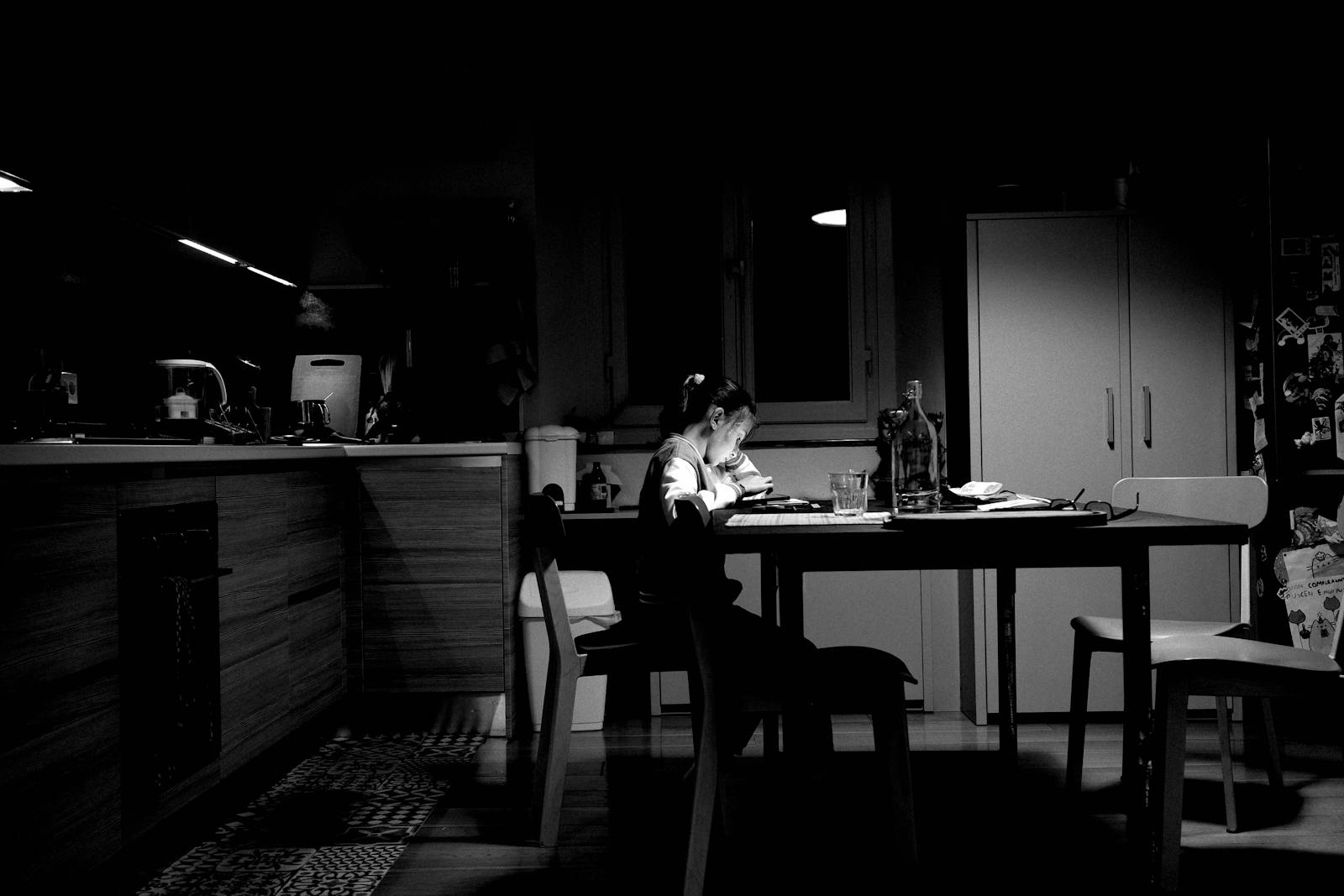
Some people clean the kitchen because guests are coming. Others do it at 10:30 p.m., with the lights low, no one expected, and no one around to notice whether the counter is clear.
That second kind of tidiness can look like discipline from the outside. It can look like good habits, high standards, or the simple pleasure of waking up to a clean room. Sometimes, that is exactly what it is.
But for some adults, a clean kitchen is doing more emotional work than they admit. It is not only about hygiene or taste. It is about the feeling that the day is closed, the room is under control, and nothing is quietly sliding out of reach.
Dr. Randy Cale, a parenting psychologist, has written about the way clutter can feed a loop of stress and avoidance. In his column, he describes clutter as something that can build on itself, making a room feel harder to face the longer it is left alone. That is not the same as proving every tidy adult had a chaotic childhood. But it does help explain why a messy space can feel bigger than the mess itself.
The common reading is that some people are simply tidy and others are not. Personality tests, cleaning influencers, and lifestyle magazines have trained readers to think of cleanliness as a fixed trait, like being a morning person or hating cilantro.
The more human read is messier. Some adults keep their kitchens spotless because they genuinely like order. Some do it because it makes the next morning easier. And some do it because, long before they had their own kitchen, they learned that the state of a room could say something about the state of the people inside it.
When mess meant more than mess
Children read homes before they can explain them. A sink full of dishes in one household might mean dinner was lively, everyone was tired, and the washing up can wait until morning. In another household, the same sink might mean a parent is overwhelmed, money is tight, someone is angry, or the evening is about to become unpredictable.
The dishes themselves are neutral. The meaning around them is not.
That is why the kitchen can become such a charged room. It is where food appears or does not. It is where a rushed parent drops the mail, where bills collect, where people argue in lowered voices, where someone’s mood can change the air before a child knows what happened.
For a child, the kitchen is often one of the first places where the household’s emotional weather becomes visible. The counter, the bin, the sink, the cupboards, the smell of dinner, the sound of cabinet doors opening and closing - all of it can become part of how a young person reads the night ahead.
Later, as an adult, that reading can remain in the body of the habit, even when the original household is long gone.
The clue is whether anyone is coming
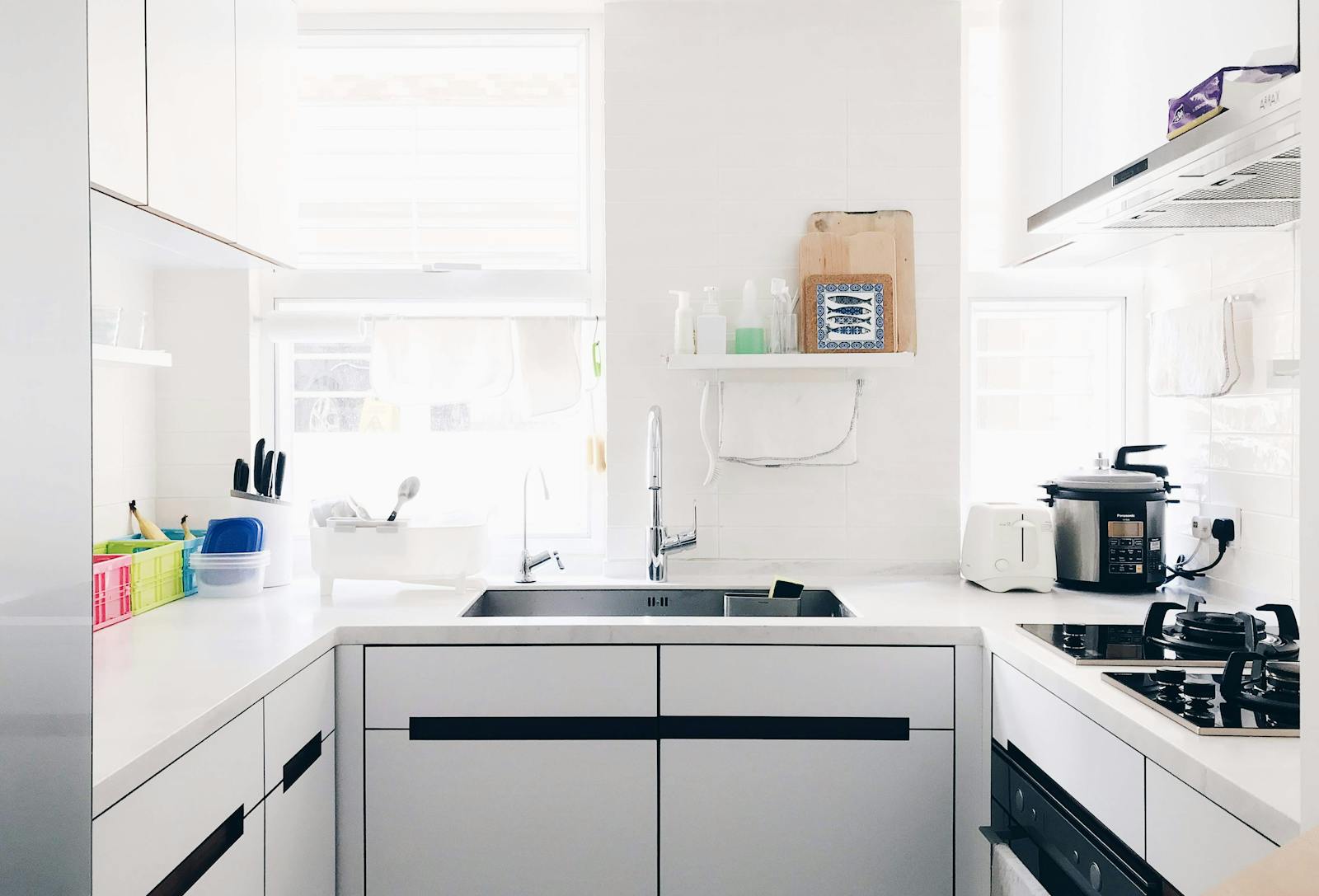
Cleaning before guests arrive is ordinary. Most people want their home to look presentable when someone else is about to see it. That kind of cleaning has an audience, a deadline, and a social purpose.
Cleaning when nobody is coming can mean something different.
The person who wipes the counter before bed, reorganizes the cabinet no one opens, or cannot relax until the last glass is dried may not be performing for anyone. They may be trying to get a feeling back. The room looks settled, so the evening feels settled. The kitchen is under control, so the rest of life seems a little less loose at the edges.
That does not make the habit unhealthy by default. A clean kitchen can be a gift to your future self. It can make mornings easier, reduce friction, and create a real sense of calm.
The question is not whether the kitchen is clean. The question is what happens inside you when it is not.
What families pass down without saying it out loud
Household standards are rarely taught in a formal way. Most children do not sit through a family meeting about why the counters must be wiped before bed. They simply absorb what happens when the counters are not wiped.
Maybe the parent becomes tense. Maybe the mood changes. Maybe someone complains that the house is falling apart. Maybe mess is treated as disrespect. Maybe a child learns that being helpful means staying alert to whatever needs doing before an adult notices it.
Over time, those lessons stop sounding like lessons. They become taste. They become standards. They become the private little rules an adult carries into a home that is technically their own.
This is why some people find themselves repeating the exact habits they once resented. They promised they would not live like their parents. They built a different life, chose different furniture, paid their own rent, stocked the fridge their own way. And still, at the end of the night, they cannot quite leave the kitchen alone.
The cleaning was never only about cleaning. It was about the feeling attached to not cleaning.
The difference between comfort and negotiation
There is a difference between enjoying a clean space and needing one before you can feel okay.
Comfort feels spacious. You clean because it feels good, then you move on. You can leave a pan in the sink without the whole room turning against you. You can decide that tonight is not the night, and the decision does not follow you around.
Negotiation feels tighter. You clean to quiet something. You tell yourself it will only take a minute. Then the minute becomes the stove, the floor, the fridge handle, the drawer that suddenly seems unbearable. The room keeps offering new reasons not to rest yet.
That is often where the audience test helps. If nobody is coming over, nobody will see the mess, and there is no practical consequence to leaving it until morning, what exactly feels at stake?
For some people, the honest answer is simply convenience. They like waking up to a clean kitchen. Fair enough.
For others, the answer is harder to name. The mess makes the room feel unfinished. The unfinished room makes the evening feel unsafe, not in a dramatic way, but in a low background way. The cleaning makes that feeling disappear for a while.
Why praise can make the pattern harder to see
One reason this habit can go unnoticed is that society rewards it. Nobody worries about the person with the clean kitchen. Nobody pulls them aside and says, “Are you okay, or are you just extremely good at making everything look okay?”
Instead, they get praised. They are organized. They are disciplined. They have their life together. Their home looks peaceful, which makes it easy to assume they feel peaceful inside it.
Sometimes they do. But sometimes the clean kitchen is the evidence of how hard they are working to feel that way.
This is where the usual advice misses the point. Telling someone to “just leave the dishes” can sound liberating to one person and impossible to another. Telling them to embrace mess can feel like asking them to ignore a signal their younger self spent years learning to notice.
A kinder question is not, “Why are you so obsessive about cleaning?” It is, “What does the mess seem to mean before you have had time to think?”
The kinder reframe
None of this is an argument for living in mess. A clean home is a reasonable thing to want. For many people, it creates real contentment. The point is narrower: when tidiness is carrying an old meaning, the person doing it deserves to notice that meaning.
Not so they can stop cleaning. Not so they can diagnose themselves. Not so every wiped counter has to become a childhood excavation.
Just so they can separate preference from protection.
Maybe the adult who keeps a spotless kitchen at midnight is not trying to impress anyone. Maybe they are closing the day in the only way that has ever made sense to them. The counter gets wiped. The room gets quiet. The old signal that something might be wrong gets turned down.
And maybe the next question is not whether they should become a messier person. Maybe it is simpler than that.
What would they want their kitchen to feel like if it no longer had to prove that everything was okay?