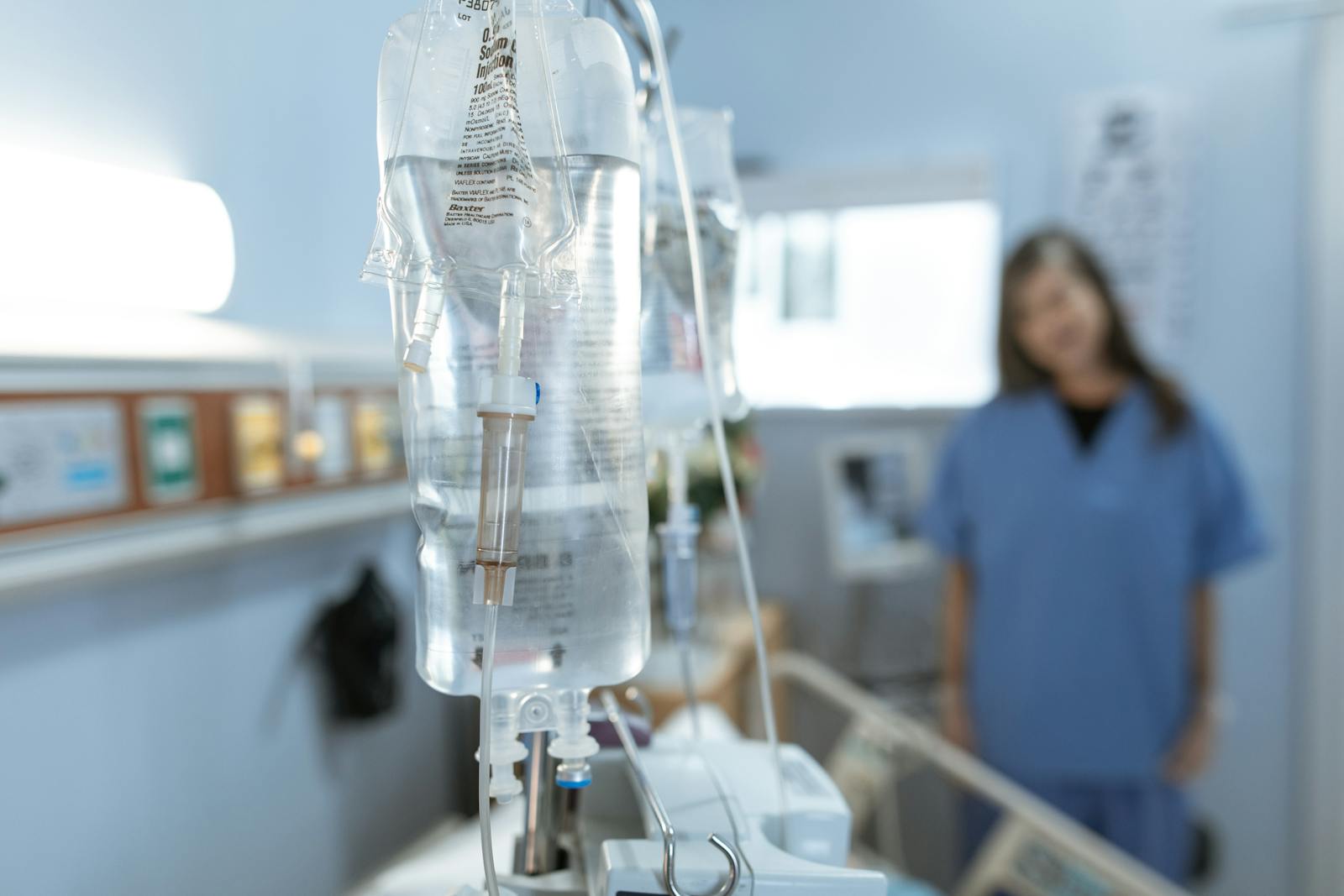
NAD+ IV infusions have become a standard offering at high-end longevity clinics in Los Angeles, New York, Miami, and Austin, with single sessions typically priced between several hundred and a few thousand dollars depending on dosage and location. Marketing materials promise slower aging, sharper focus, and recharged cellular energy. The evidence for those claims is far thinner than the price tag suggests.
NAD+, or nicotinamide adenine dinucleotide, is a coenzyme present in every cell. It helps convert food into energy and supports DNA repair. Levels do decline with age. That biological fact is the seed from which an entire boutique industry has grown.
Clinics across the country are now offering NAD+ infusions as a longevity treatment, while supplement brands sell precursor pills like nicotinamide riboside and nicotinamide mononucleotide on the same premise. The pitch is intuitive: if levels drop with age, topping them up should turn back the clock.
The science is not there yet. Most of the encouraging data comes from studies in mice or small human trials measuring blood markers rather than meaningful long-term health outcomes. There is no robust clinical evidence that boosting NAD+ extends human lifespan, reverses aging, or treats specific diseases in healthy adults.
There is also a basic pharmacology question marketers tend to skip. NAD+ itself is a large, charged molecule that does not readily cross cell membranes, which is why much of the academic research focuses on precursors like NR and NMN rather than NAD+ directly. Even there, the picture is mixed. A 2018 trial in Nature Communications by Martens and colleagues found that six weeks of nicotinamide riboside supplementation was well tolerated, raised NAD+ levels in the blood of healthy middle-aged and older adults, and suggested early benefits for blood pressure and arterial stiffness, with the authors calling for larger trials to confirm whether those signals hold up. Charles Brenner, the biochemist who first identified NR as an NAD+ precursor, has been more skeptical of IV NAD+ specifically, arguing in interviews that injecting NAD+ does not make much biochemical sense because NAD+ has to be broken down to smaller precursors before cells can actually use it. Whether infused NAD+ reaches the tissues that matter, in concentrations that matter, rather than being rapidly degraded in circulation, remains an open scientific question. The price tag at the IV clinic does not resolve that uncertainty.
None of this means NAD+ research is a dead end. It is one of the more active areas in aging biology, and well-designed human trials are ongoing. The gap is between what laboratories are cautiously studying and what wellness clinics are confidently selling.
This pattern is familiar. A real biological mechanism gets identified, early results look promising in animals or in small human cohorts, and a supplement market sprints ahead of the science. Consumers pay premium prices for an intervention whose effect size in humans has not been established.
The opportunity cost is worth naming. The interventions with the strongest evidence for healthy aging remain unglamorous and cheap. Walking regularly helps prevent the weight regain that follows most diets. Baduanjin, a traditional Chinese movement practice, has shown promise in lowering blood pressure in adults with stage 1 hypertension, with benefits sustained for a full year.
NAD+ may yet deliver on some of its promise. For now, the honest answer to the marketing is that the IV drip is selling certainty the laboratory has not produced.