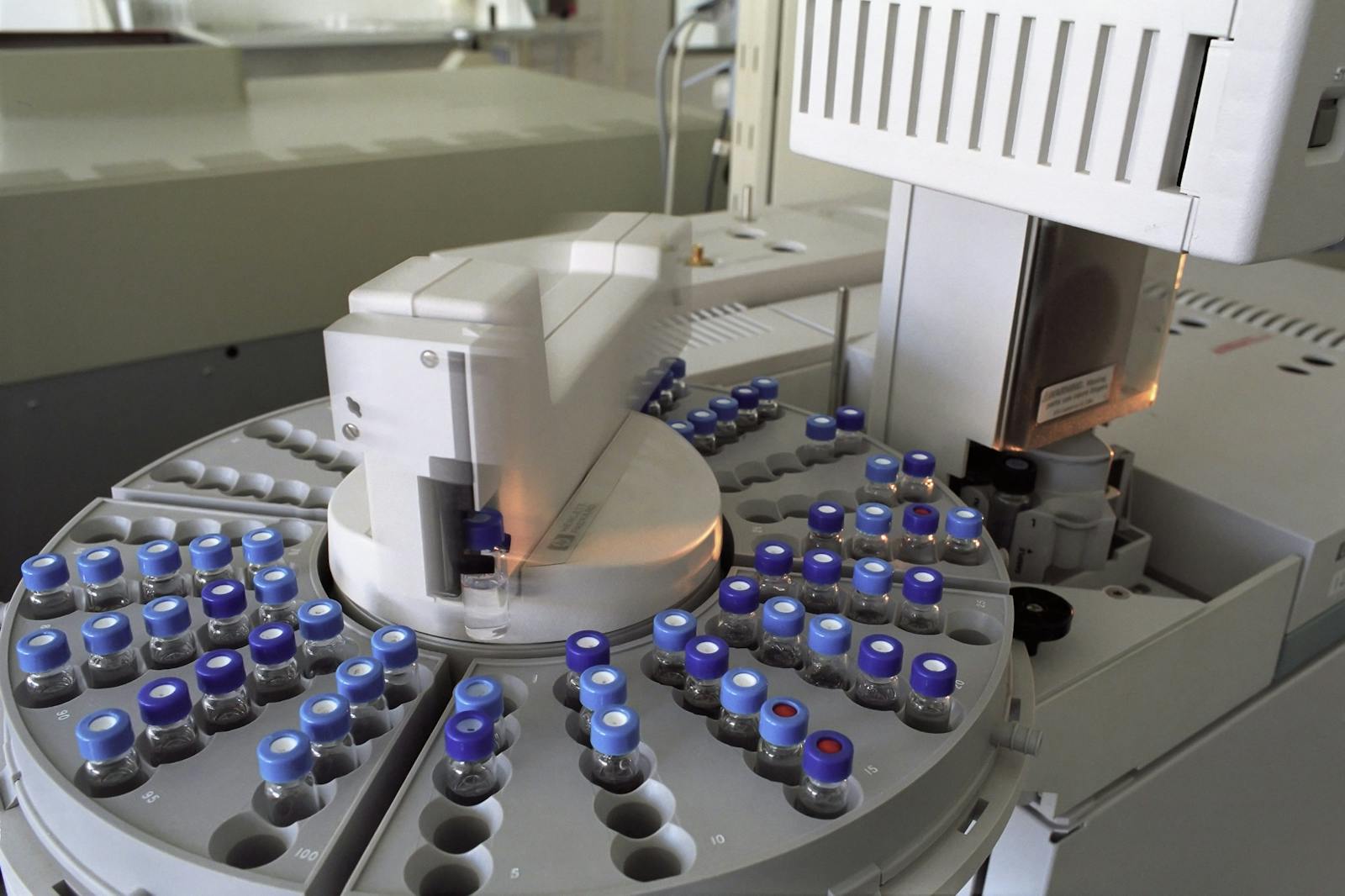
Your jet fuel, plastic packaging, and protein bars may soon come from microbes eating industrial waste gas. That future got measurably closer this month, when LanzaTech, the US synthetic biology company that turns waste carbon into usable products, signed a partnership with the Technical University of Denmark (DTU) to build an AI-powered biofoundry dedicated to gas fermentation. As reported by Green Queen, the facility will be housed at Bright, DTU's biotechnology research institute, and will specialise in microbes that consume C1 gases: methane, carbon monoxide and carbon dioxide, to produce fuels, chemicals, materials and even proteins for human consumption.
This is not carbon capture as usually pitched. Conventional capture stores emissions so fossil fuel companies can keep emitting; gas fermentation routes those same emissions through engineered microbes that exhale something marketable on the other side: ethanol for apparel and packaging, surfactants, sustainable aviation fuel, animal feed, food ingredients. The climate case rests on displacement. Every litre of microbe-brewed jet fuel is a litre of fossil kerosene not refined; every kilo of gas-fermented protein is feed or food not sourced from deforested soy or methane-intensive cattle. That's a different ledger than burying CO2 to license more drilling — and unlike storage, it has a commercial pull that doesn't depend on carbon prices or regulatory mandates to scale.
According to Green Queen, the partnership includes technology transfer, a non-exclusive IP license covering LanzaTech's biofoundry workflows, and shared research infrastructure. LanzaTech, which went public via a SPAC merger in 2022, has spent roughly 15 years developing the synbio toolkit for carbon-fixing, gas-fermenting organisms — a class of microbes that sits outside the standard yeast-and-E. coli playbook most fermentation labs are built around.
That's the real significance of the deal. Access to biofoundries that can safely handle anaerobic microbes and flammable industrial gases is scarce, and the company says that scarcity has been slowing the entire field. Pooling LanzaTech's purpose-built workflows with Bright's infrastructure and European research network is meant to close that gap, letting teams generate and screen thousands of microbial designs in parallel.
The university has a history of driving innovation from the lab to commercial deployment, framing the partnership as a way to accelerate bio-solutions for Denmark and Europe. LanzaTech's leadership has indicated that consolidating the company's biotechnology know-how into a dedicated team would let the broader business focus on delivering commercial sustainable aviation fuel and biorefining projects.
The timing reflects broader momentum in gas fermentation. Green Queen notes that Bright is also working with Novonesis on engineering microbes to convert CO2 into proteins, part of an Acetate Consortium backed by the Gates Foundation and the Novo Nordisk Foundation. The US Department of Defense has awarded California's Biosphere a grant to build portable bioreactors for field-deployable protein production, and LanzaTech itself has a co-funded project with the US Navy Research Lab exploring shipboard protein. Finland's Solar Foods is rolling its Solein protein into the US market this year, and Denmark's Unibio is partnering with the Saudi Industrial Investment Group on what's billed as the world's largest gas protein factory.
For readers tracking where the plant-based and sustainability conversation is actually heading, this is the layer beneath the consumer headlines. A handful of companies are building the microbial infrastructure that could supply the next generation of fuels, materials and foods — and they're doing it on feedstocks the rest of the economy currently treats as waste or pollution. The upstream problem of fossil extraction remains; VegOut previously reported on the millions of Americans living near leaking abandoned oil wells, and a biofoundry in Copenhagen won't fix that. But if gas fermentation delivers on cost and scale, the ingredients showing up in fuel tanks, packaging and food cabinets over the next decade will carry a fundamentally different carbon story than what's there now — not because emissions were hidden, but because the supply chain was rebuilt around microbes that eat them.