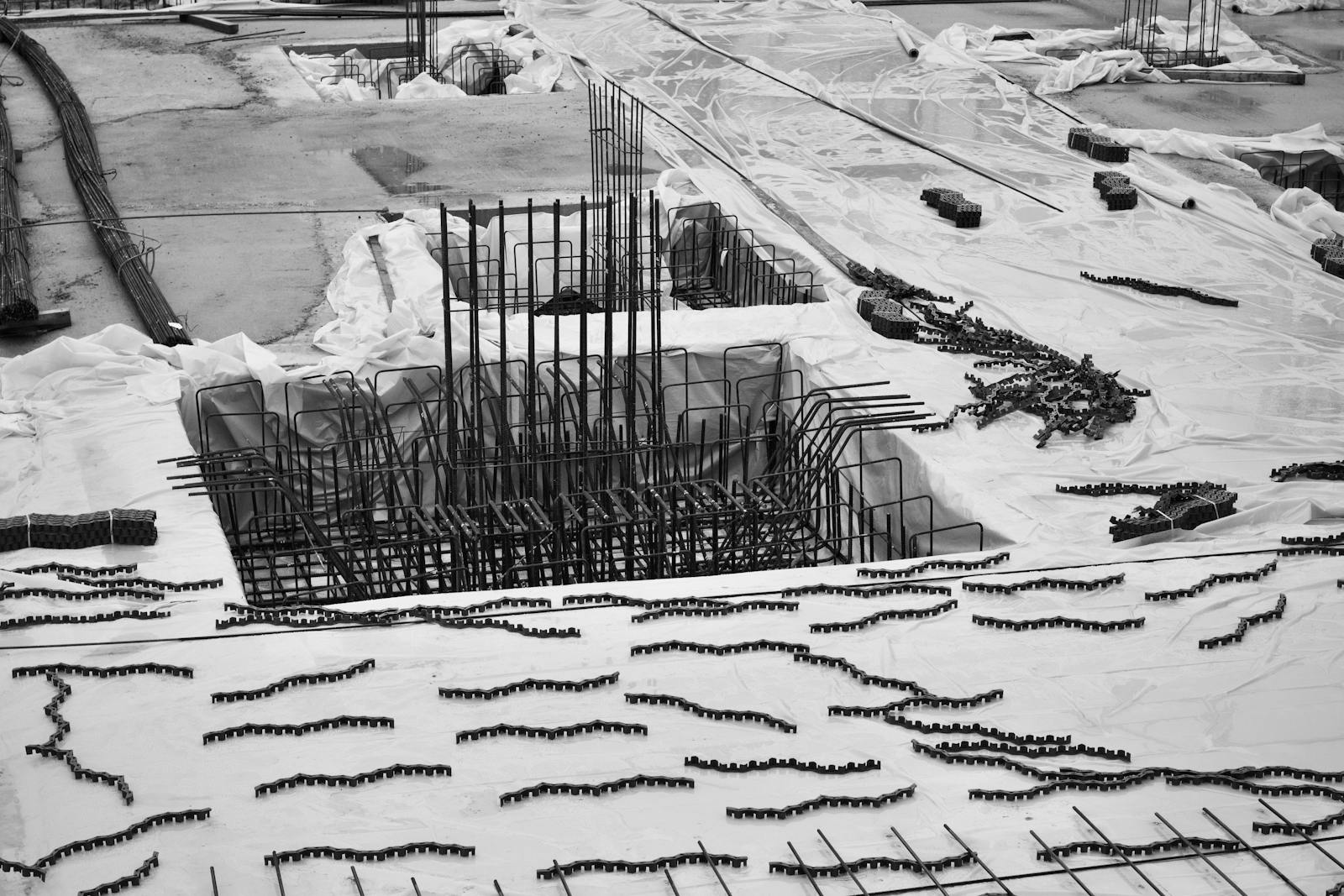
The Environmental Protection Agency has proposed letting gas power plants, data centers and factories begin major construction before they secure air-emission permits, a rule change the Trump administration argues will speed the build-out of AI infrastructure and one environmental lawyers say guts a core mechanism of the Clean Air Act. The proposal, announced Monday by EPA Administrator Lee Zeldin, redefines what counts as beginning actual construction, carving out piping, wiring, cement pads, vegetation clearing, grading and utility hookups from the activities a company must wait to perform.
To understand what is actually at stake, start in Virginia. The numbers there, reported by Inside Climate News, are staggering. In 2024, Dominion Energy said its data center customers needed 3.5 gigawatts of power, the equivalent of electric use by almost 900,000 homes. Requests from data center developers now exceed 70 gigawatts, almost three times Dominion's record peak demand of 25 gigawatts, set in January. Virginia already hosts more operating data centers than any other state or nation besides the United States itself, and every new gigawatt of load becomes a fight over where the generation gets built and who has to breathe its exhaust.
The communities living next to those proposed sites are the ones the Clean Air Act's permitting sequence was designed to protect. The conventional reading of permit law is that you cannot pour serious money into a polluting facility until regulators have signed off on its air-quality impact. That sequencing exists for a reason. It keeps communities from being presented with a half-built plant and a fait accompli. The EPA's new framing treats those same rules as bureaucratic friction holding back American competitiveness, and in doing so removes the single biggest source of leverage a downwind community has.
How the rule strips community leverage
The core objection from environmental attorneys is not about whether facilities should be built. It is about when communities get a meaningful say.
David Baron, a senior attorney with Earthjustice, told Inside Climate News that without firm construction definitions, it would be "much, much harder for communities to protect the air they breathe." The Clean Air Act's permitting process is supposed to determine whether a site is appropriate for the proposed facility and whether the pollution controls are adequate. Once a developer has spent hundreds of millions of dollars on vertical work, those questions become harder to ask honestly. As Baron put it, the EPA proposal "will really undermine those kinds of factors being given fair consideration."
Keri Powell, senior attorney and air program leader at the Southern Environmental Law Center, described the dynamic directly: "Once you have the layout of the plant … there's going to be a lot of sunk costs there. The political pressure that would be brought to bear on a local agency or state agency that's charged with making those [permit] decisions would be very, very high. It's difficult already for those agencies. They're under a lot of pressure."
That pressure is the point. A permit reviewer evaluating a half-completed gas plant, one already promising jobs, tax revenue and infrastructure to a local economy, is in a structurally different position than one evaluating a paper proposal. The rule does not change what regulators are legally required to weigh. It changes the political weather around the decision, and it does so before the people living nearest the site have had their hearing.
What the proposal actually changes
Under the EPA's announcement, companies building gas plants, factories and data centers could pour foundations, run wiring and lay piping before a state or federal agency has issued the air permit that determines whether the facility's emissions are acceptable. The proposal also clarifies that site preparation work, including clearing vegetation, grading, soil compacting and excavation, and the extension of electrical, water, wastewater and telecommunications service lines, all fall outside the definition of regulated construction.
Zeldin said the change would help address issues holding up infrastructure development and technological advancement. The rule enters a 45-day public comment period before it can be finalized.
Current rules already permit minor site work like surveying and limited grading. What changes is scale. Until now, a developer could not sink hundreds of millions of dollars into vertical construction before the permit was in hand. That hard line is what the EPA is moving.
The AI build-out driving the change
The rule does not exist in a vacuum. It follows an executive order from President Trump directing federal agencies to identify policies seen as obstacles to AI development. The order frames AI dominance as a matter of economic competitiveness and national security, and revoked the Biden-era executive order on AI safety.
Amazon, Meta, Microsoft and Google are racing to build the data centers required to train and serve increasingly large AI models. Those facilities consume staggering amounts of electricity, and the grid queues for new generation capacity are long. So tech companies are increasingly partnering on, or directly procuring, dedicated natural gas-fueled power plants, facilities that take years to build and lock in fossil-fuel emissions for decades.
Virginia as a preview
The federal proposal mirrors a state-level move already underway. In January, just before term-limited Republican Gov. Glenn Youngkin left office, the Virginia Department of Environmental Quality released guidance on construction activities allowed before air permits are issued. The DEQ memo applies to minor source reviews, including the backup diesel generators that virtually every Virginia data center relies on during grid failures, rather than the major-source reviews the EPA rule targets.
Under the Virginia guidance, developers can begin building the structures housing computer equipment before the air permit is issued, provided those structures don't also house the generators requiring the permit. Foundations cannot be laid for the generators themselves. But ductwork can be extended a limited distance from building structures in accordance with standard construction practices.
A DEQ spokesperson described the memo as a formalization of guidance the agency had already been giving developers privately in response to inquiries. The EPA proposal scales that approach up to the much larger facilities, gas plants, factories, full-size data center campuses, that fall under federal major new source review.
Who profits from this narrative
The framing matters here. The administration's case rests on a geopolitical premise: that any friction in AI infrastructure build-out hands an advantage to China. That premise is doing significant work. It converts a technical question about permit sequencing into a question about national strength, and it makes anyone defending the existing rule look like an obstacle to American competitiveness.
The communities living next to proposed gas plants are not the ones writing the talking points about AI dominance. They are the ones whose air quality is being negotiated. The Clean Air Act was designed to give those communities a procedural foothold before the concrete was poured. The proposed rule shifts the timeline so that the concrete is poured first.
The tech companies driving demand benefit twice. They get faster build-out of the gas-fired generation their data centers increasingly require. And they get the political cover of a federal rule that treats the speed of construction as a public good rather than a negotiation between developers and the people downwind.
The scale of what gets locked in
The public comment period is the immediate procedural step. Environmental groups, state agencies, utilities and tech companies will all weigh in, and the EPA will need to address substantive objections before finalizing the rule. Litigation is almost certain regardless of how the agency responds. The construction-definition language sits at the center of decades of Clean Air Act case law.
But the bigger number is what gets locked in if the rule holds. PJM Interconnection, the grid operator covering Virginia and twelve other states, reported in late April that its reopened interconnection queue includes 106 gigawatts of proposed gas-fired generation, more than any other resource category. Combined-cycle gas plants run for thirty to forty years once built. Whatever fraction of that pipeline actually gets steel in the ground will set the emissions baseline for the next generation of data center load.
That is the scale of what is being decided. Not a definitional tweak. Not a procedural shortcut. A choice about whether dozens of communities, in Virginia and beyond, retain the one moment of leverage the Clean Air Act gave them, or lose it to a backhoe that arrived before the permit did.