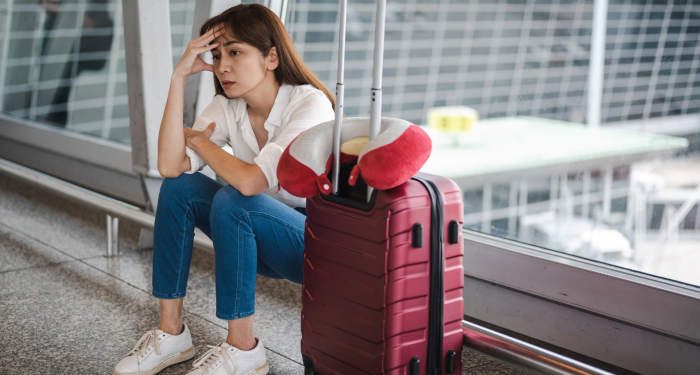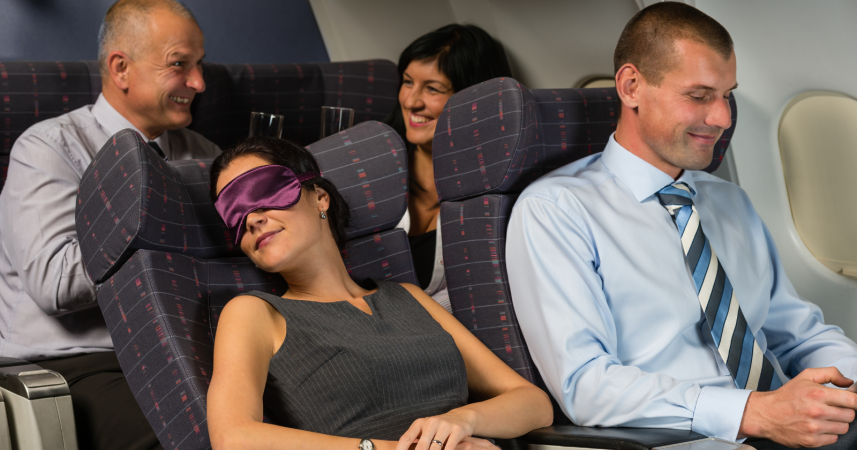
Flying brings out all kinds of quiet tensions, mostly from small behaviors we rarely talk about. A few unspoken rules can make the difference between a peaceful flight and a silently miserable one.
Air travel has this strange way of turning all of us into hyper-aware versions of ourselves.
Maybe it’s the lack of legroom or the stale cabin air or the simple fact that we’re trapped with strangers for hours, but little behaviors suddenly feel enormous.
I’ve spent more flights than I can count observing the quiet frustrations that ripple through a cabin.
People rarely say anything out loud, yet the sighs, side-eyes, and awkward shuffles make the tension almost comically obvious.
And I’ll be honest, I’ve probably been guilty of one or two of these myself.
It’s hard not to slip up when you’re tired, hungry, or wishing teleportation had been invented already.
Still, the more I fly, the more I realize how much smoother the whole experience is when we follow a few unspoken rules.
These eight tend to show up on almost every flight, and once you notice them, you’ll see how much they shape the energy around you.
Let's dive in.
1) Respecting personal space in the overhead bin
There’s nothing like watching someone treat the overhead bin as their personal storage unit.
They’ll stuff in backpacks, jackets, duty-free bags, and anything else they can wedge in, while the rest of us stand in the aisle debating whether to sigh loudly or just accept our fate.
I once overheard a flight attendant say, “The overhead bins are communal real estate,” and that phrase stuck with me.
Ever since, I try to keep my bulky items up top and tuck anything small at my feet to save space for everyone else.
It’s such a simple thing, but when one person hogs a room meant for six, tension spreads faster than turbulence.
A small amount of consideration goes a long way when you’re sharing a tiny airborne neighborhood.
2) Reclining your seat without warning
This one has started more passive-aggressive battles than anything else in the sky.
The sudden chair-catapult backward move always catches people off guard, especially if they’re eating or typing.
I’m not against reclining. It’s your seat, after all.
But a quick glance back and a soft “I’m going to recline a bit” can keep the peace better than any onboard announcement.
I’ve had my fair share of knee-bashing incidents, and those moments always remind me how easy it is to forget that someone else occupies the space behind us.
A two-second courtesy check keeps everyone’s mood intact and prevents the chain reaction of silent resentment.
3) Playing armrest roulette
If you’ve ever sat in the middle seat, you already know the unwritten law. The middle seat gets both armrests. No negotiation needed.
It’s the one small consolation for choosing (or getting stuck with) the most cramped spot on the plane.
They can’t lean out toward the aisle, and they can’t lean toward the window, so giving them both armrests helps balance the discomfort.
When I end up in the aisle or by the window, I try to consciously keep my elbows closer to home.
It’s amazing how much calmer and more cooperative a flight feels when armrest territory doesn’t turn into a silent turf war.
4) Talking loudly or having personal conversations everyone can hear
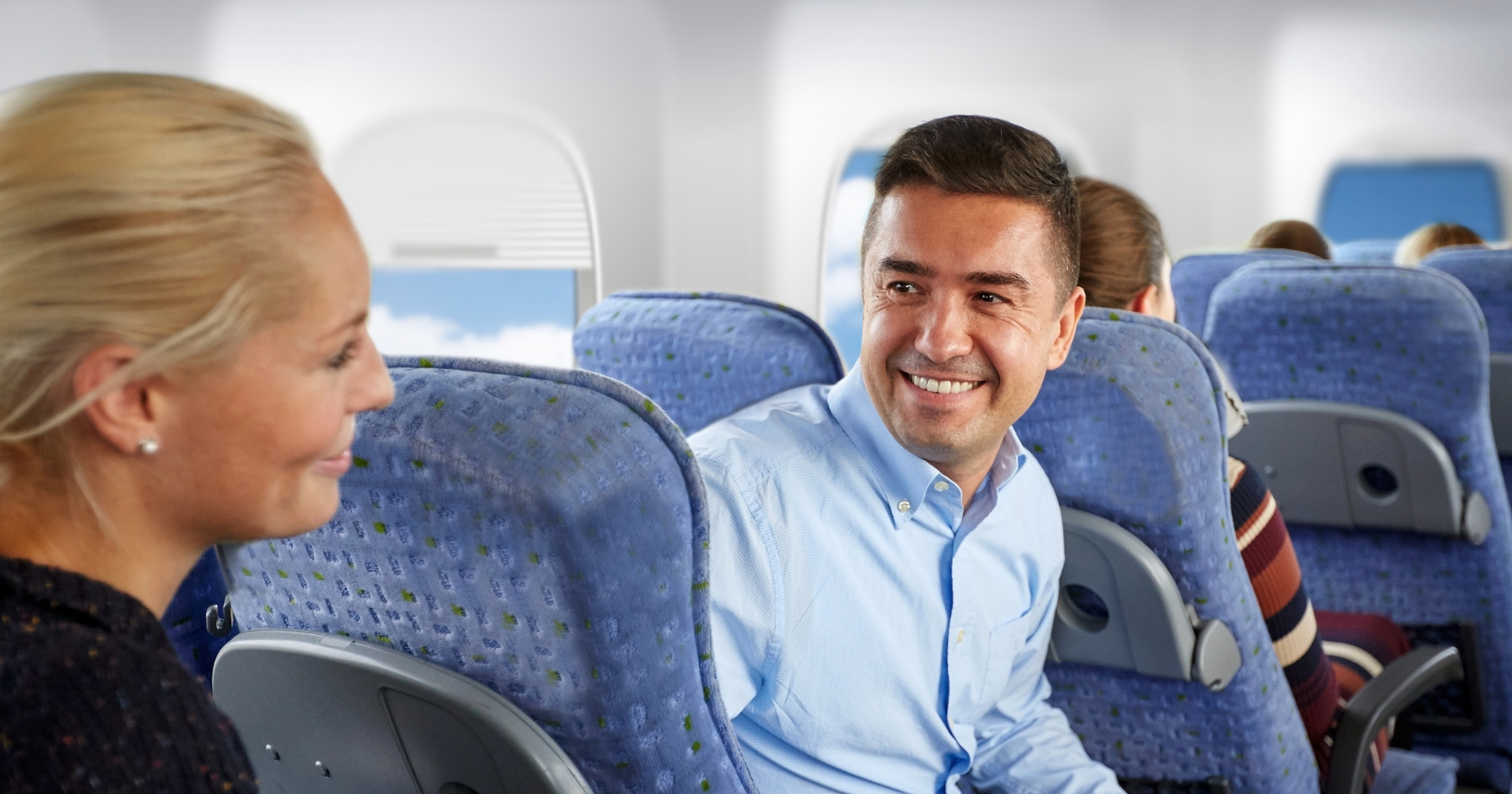
There’s a special kind of shared suffering that happens when one person decides the entire cabin should hear their conversation.
I once listened unintentionally as a man spent half an hour venting loudly about his breakup before takeoff, and the entire row exchanged looks like we were trapped in the world’s least enjoyable group therapy session.
Sound travels strangely well on planes, especially before the engines kick in.
Even normal speaking voices seem amplified, so when someone talks at full volume, hundreds of unwilling listeners are dragged into the storyline.
Whenever I’m chatting with someone or answering a quick call before we taxi, I remind myself that everyone around me can hear every detail.
If it’s not something I want announced through the cabin like a public broadcast, I save it for later.
5) Taking your shoes off in ways that make people uncomfortable
Here’s the thing. I love being barefoot in nature. I’m a trail runner and a gardener, so being grounded physically is part of my normal life.
But airplanes are not fields or forests.
Taking off your shoes on a flight is a sensitive topic. Some people see it as an essential comfort. Others see it as an emergency that requires intervention.
And when someone not only removes their shoes but then stretches their feet onto walls or armrests, the whole cabin seems to cringe at once.
The rule I go by is simple. If your socks or bare feet will impact anyone else’s space, it’s a no.
And if your socks could walk away on their own, keep the shoes securely on.
Flights are already intimate enough without forced proximity to a stranger’s toes.
6) Ignoring headphone etiquette
It’s almost shocking how often this one happens.
Someone watches a movie, plays a game, or listens to music at a volume that somehow escapes their headphones entirely.
On one flight, a teenager next to me had action movie explosions blasting out of his earbuds for nearly an hour.
You could watch the annoyance spread across the cabin like a wave, one row at a time.
Volume control becomes everyone’s business at 35,000 feet.
A quick check can save your neighbors from suffering through your sound effects, and it keeps the energy peaceful instead of irritated.
7) Rushing the aisle the second the plane lands
We all know the phenomenon. The wheels touch down, the seatbelt sign turns off, and suddenly half the plane leaps up like there’s a prize for being the first to stand.
I get the urge. After sitting still for hours, you want to stretch and escape as quickly as possible.
But rushing the aisle creates instant tension for everyone else, especially the passengers in the front who suddenly have to defend their square foot of aisle space.
The funniest part is that standing early doesn’t actually make the plane unload faster. If anything, it turns the aisle into a human traffic jam.
Waiting for your turn makes the whole process smoother and keeps everyone from silently judging your impatience.
8) Bringing strong-smelling food into a cramped cabin
As someone who loves plant-based cooking, I appreciate flavorful, aromatic meals more than most.
But I’ve also learned the hard way that a dish that smells heavenly at home can become overwhelmingly intense at high altitude.
I once brought a homemade curry on a long-haul flight, thinking I’d enjoy something comforting instead of prepackaged snacks.
The moment I opened it, I felt a wave of regret as three people nearby subtly covered their noses. It was my unintentional villain origin story.
Smells linger much longer in an enclosed cabin, and strong food tends to drift far beyond your personal space.
These days, I stick to mild, neutral snacks when flying.
It keeps the peace and prevents the entire plane from involuntarily participating in my lunch choices.
Final thoughts
Flying puts all of us in a situation where we share tiny pieces of space, sound, and air for hours at a time.
It’s a strange social experiment if you think about it too long, one where small behaviors ripple outward and affect dozens of people without a single word spoken.
When we remember that, it becomes easier to stay considerate.
A little awareness transforms the entire atmosphere of a flight, even if you never speak to the people around you.
Travel is stressful enough on its own. When we follow these quiet, unwritten guidelines, we make the experience more bearable for everyone involved.
And who knows, maybe someday we’ll all step off a plane feeling lighter instead of tense.
Until then, these small acts of courtesy can turn even the most crowded flight into something calmly human.