Some retirement destinations look like paradise on social media, until the real life problems show up fast. Hidden costs, poor healthcare access, and daily frustrations can turn the dream into a nightmare. Here are seven places that surprised people in the worst way.
There’s a special kind of optimism that hits when you’re scrolling through retirement forums at 1 a.m.
You know the vibe. A couple in matching linen outfits, smiling in front of a turquoise sea, saying they “cut their cost of living in half” and “never looked back.”
And suddenly you’re thinking: Why am I still paying crazy money to live somewhere stressful?
Retirement is supposed to be the reward. The calm. The part of life where you stop rushing and start enjoying the small stuff, like slow mornings, fresh seafood, and walks that don’t feel like a commute.
But here’s what those glossy blog posts and dreamy YouTube vlogs don’t show you.
They don’t show you the “affordable” paradise that becomes expensive once inflation hits.
Some places genuinely are amazing to retire in.
But others look perfect online and become a headache once the honeymoon phase wears off.
Here are seven destinations that seduce people with the highlight reel, then start falling apart the moment real life kicks in.
1) Bali, Indonesia
Bali is the poster child of “I sold everything and moved somewhere tropical.”
The sunsets are unreal. The cafes are top-tier. You can get smoothie bowls that look like art and coffee that tastes like it was brewed by a wizard.
But Bali isn’t a quiet island escape anymore.
Depending on where you live, you might end up dealing with traffic that makes your blood pressure rise daily. Scooters swarm. Roads clog up. Construction is constant.
If you dream of waking up to birds chirping, you might instead wake up to drilling and horns at 7 a.m.
Then comes rainy season.
Humidity creeps into everything. Mold shows up like an uninvited guest. Clothes smell damp no matter what you do. And bugs are not the harmless kind. More like the “why is something flying at my face at 2 a.m.?” kind.
If you thrive in energy and don’t mind crowds, you might love it.
If you want calm and simplicity, Bali can disappoint fast.
2) Lisbon, Portugal
Lisbon has been hyped for years, and it’s easy to see why.
It’s charming. Walkable. Packed with great food. You can grab grilled sardines, a pastel de nata, and a strong espresso in the sunshine and feel like you’ve won at life.
But the Lisbon story has changed.
Rent prices have risen. Competition for apartments is intense. Landlords know foreigners will pay more, and many retirees are shocked by the costs compared to what they expected from online research.
And older buildings often come with issues: Damp walls, thin insulation, and heating systems that feel like an afterthought.
Yes, Lisbon gets cold too. Not “snowstorm” cold, but the kind where you can’t warm up because the chill sits inside the apartment.
Then you hit bureaucracy.
Portugal is still a great place to live, but the paperwork can be exhausting. Long waits. Confusing systems. A lot of “come back tomorrow.”
And emotionally, some people struggle. If you don’t learn Portuguese, it’s easy to fall into an expat bubble, which can start feeling lonely once the novelty fades.
Lisbon is beautiful, but it’s not the effortless dream it used to be.
3) Tulum, Mexico
Tulum sells the fantasy hard.
Beach clubs. Jungle villas. Yoga classes. Tacos at sunset. It’s basically a wellness mood board in real life.
But Tulum is also one of the quickest places to go from “paradise” to “I’m getting out of here.”
First, it’s expensive.
Many people arrive expecting Mexico prices, then realize they landed in a hotspot where cocktails cost like they do in major U.S. cities. Rent can be high. Grocery costs climb fast, especially if you like imported items.
Then there’s infrastructure.
Power outages happen. Internet drops. Water problems show up at the worst times. Roads flood. And the mosquitoes can be brutal, especially if you’re living near the jungle.
Tulum has also changed fast. It used to feel like a chill beach town.
Now it can feel like a tourist-heavy party hub. A mix of influencers, loud nightlife, and nonstop construction.
Safety concerns also make some retirees uneasy, especially if they moved for peace and quiet.
In real life, it can feel overpriced, chaotic, and unstable.
4) Chiang Mai, Thailand
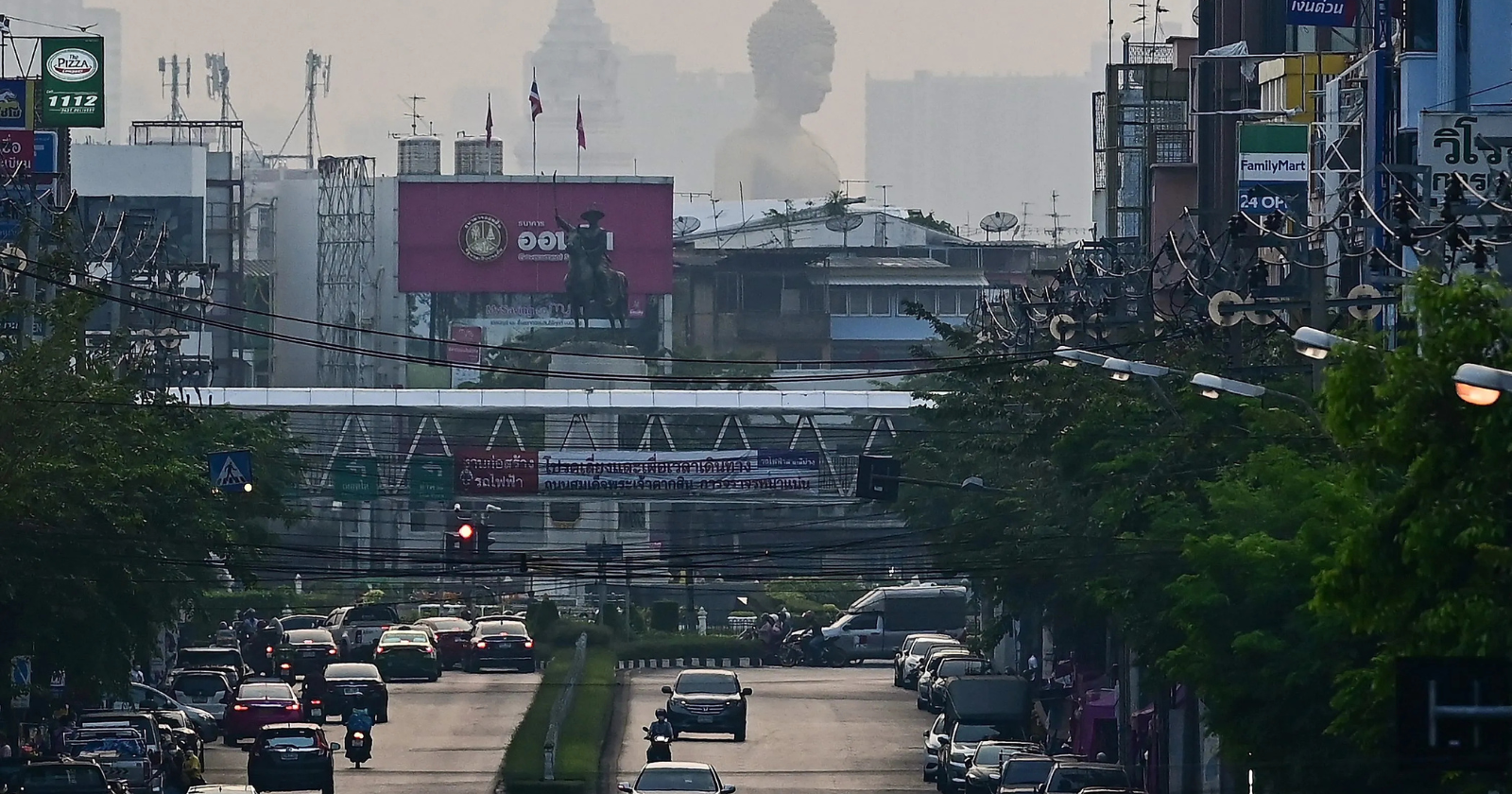
Chiang Mai is a favorite for retirees in Southeast Asia.
It’s affordable, friendly, and the food is unreal.
But Chiang Mai has a major issue people don’t fully understand until they live there.
Burning season.
Every year, air pollution gets bad. Sometimes very bad. The skies can turn hazy, and the air quality can drop into levels that are genuinely unhealthy.
People who arrive in January thinking they found a peaceful paradise sometimes find themselves stuck indoors by March, running air purifiers nonstop.
If you have asthma, heart issues, or any respiratory sensitivity, this isn’t just annoying. It can be a dealbreaker.
Then you have visa stress.
Thailand has retirement visas, but the rules can change, requirements can be confusing, and the admin is more constant than some people expect. That uncertainty can wear you down.
5) Costa del Sol, Spain
Spain feels like the ultimate retirement fantasy.
Warm weather. Mediterranean living. Fresh produce. Tapas. Wine. Long lunches that stretch into late afternoons.
Costa del Sol is especially popular, but it comes with downsides that retirees don’t always expect.
Some towns can feel like one long tourist strip, packed with seasonal crowds and expat pubs.
If you imagined authentic Spanish culture, you might feel disappointed when your neighborhood speaks mostly English and the “local” restaurants cater to tourists.
Summer heat can also be intense.
It’s not the cute kind of sunshine you picture in travel ads. It can be the kind that keeps you indoors most of the day.
Then comes the admin.
Spain is wonderful, but paperwork can still be tiring, especially if you don’t speak Spanish well.
Some retirees also buy too quickly, seduced by a balcony view and the idea of “forever holidays.” Then they realize their building is noisy, their neighbors are short-term rentals, or their area feels dead in the off-season.
6) Ecuador (especially Cuenca)
Ecuador has been promoted for years as a budget-friendly retirement haven.
Cuenca is beautiful. Colonial architecture. Pleasant weather. Walkable streets. A slower pace of life that makes you feel like your nervous system finally relaxes.
But the financial reality isn’t always what people expect.
Costs have risen. And while Ecuador can still be cheaper than many Western cities, some retirees arrive expecting a miracle and feel disappointed when things aren’t as low as the internet promised.
Healthcare is another mixed bag.
Private healthcare can be good in major cities, but navigating it without Spanish can be difficult.
Ecuador has also had periods of security concerns, and when you’re retired, you tend to value stability and peace more than adventure.
Then there’s lifestyle fit.
Cuenca is calm, but it can feel too quiet. Some people love that. Others start feeling isolated and realize they underestimated how much they’d miss friends, family, and familiar routines.
Ecuador is not a nightmare for everyone.
But for some, the adjustment hits hard within a few months.
7) Small island living
The small island retirement dream trips up a lot of people.
A quiet Greek island. A Caribbean beach town. A tiny coastal paradise where you eat fresh fish, walk barefoot, and live simply.
Sounds perfect, right?
But island life magnifies every small problem.
Limited grocery options become frustrating fast. Healthcare can be minimal, and that becomes scary the first time you have a real medical issue.
Storm season can turn from “dramatic weather” to “this could ruin everything.”
And boredom is real.
A lot of retirees underestimate how much they need variety: Different restaurants, new people, activities, and easy access to services.
On a small island, once you’ve explored it, you’ve explored it. The same roads, the same faces, the same routines.
Some people love the simplicity.
Others feel trapped, especially once the novelty wears off.
That’s why so many retirees try island life, last a few months, then move somewhere bigger nearby. They want the ocean view, but also hospitals, options, and convenience.
The bottom line
Retirement destinations are like dating profiles.
Everyone looks great online. But real life reveals the stuff you don’t see on Instagram: The hassle, the unexpected costs, the loneliness, the maintenance, the weather, and the daily stress.
And here’s the truth: There’s no perfect destination.
The goal isn’t to find the most beautiful place on earth. The goal is to find a place where your life gets easier and your days actually feel better.
Before you move, don’t just visit during peak season. Go during the worst season.
Talk to long-term residents, not just new arrivals.
Ask the unsexy questions:
- Can I handle this weather long-term?
- What happens if I get sick?
- Will I feel isolated here?
- Is this a home, or just a vacation fantasy?
Because the real win isn’t moving somewhere that looks good online.
It’s waking up months later and thinking: Yeah. This was the right move.
What’s Your Plant-Powered Archetype?
Ever wonder what your everyday habits say about your deeper purpose—and how they ripple out to impact the planet?
This 90-second quiz reveals the plant-powered role you’re here to play, and the tiny shift that makes it even more powerful.
12 fun questions. Instant results. Surprisingly accurate.