Expectations are the villain, so I went to five places everyone loves to hate and learned the same lesson five different ways.
I finally did it, I checked off five of the world’s most crowded tourist spots!
Not because I love queues or selfie sticks, but because I wanted to see what’s actually worth it once you strip away the hype.
What I found had less to do with perfect views and more to do with attention, timing, and how you feed yourself along the way.
If you’re planning a big trip—or just hate feeling like a sardine—here’s the honest playbook I wish someone handed me before I went:
1) Paris’s Eiffel Tower is better from a bench than a queue
It took me exactly twelve minutes of standing in line under the Champ de Mars to remember a lesson from my F&B days: the front row is not always the best seat.
I had already booked a timed-entry ticket, I had the obligatory photo of iron lacework against a blue sky, and I had the crowd elbowing for position.
Then a tour bus unloaded two dozen more selfie sticks and I felt that familiar tug to control the uncontrollable, so I bailed.
I walked two blocks to a quiet bakery on Avenue de la Bourdonnais, ordered a still-warm pain au chocolat, and sat on a park bench with a wide, clean view of the tower.
People streamed past the metal detectors; pigeons negotiated for crumbs; the city did its thing.
The truth people rarely admit: The tower is an object and your experience is a composition.
The more you try to dominate the scene, the less you feel it.
A practical approach that saved me: Set two goals.
One, a single photo you are happy to keep, and two, one sensory memory.
Want elevation without the cattle call at the elevators? Go for a rooftop near Trocadéro or Montparnasse at golden hour.
You will trade a famous floor for more sky and fewer elbows.
Your wallet and your nervous system will both thank you and, if you truly want to go up the tower, treat it like a tasting menu.
Book the earliest or latest slot you can tolerate, build a buffer, and accept that speed is not the point.
You will savor more once you stop sprinting for position.
2) Rome’s Trevi Fountain rewards the side streets, not the splash zone
Everyone knows you turn your back, toss a coin, and snap a photo.
Nobody tells you what it feels like to play sardines in a marble bowl while a dozen strangers narrate your moment on their phones.
I arrived midafternoon, and the sound is the first surprise as the fountain roars like a small engine.
The second surprise is that you are looking at people looking at water.
It is a mirror reflecting impatience, so I stepped back.
Two blocks away the noise faded and Rome returned to human scale: Laundry strung between windows, a kid dribbling a soccer ball, the scent of espresso and orange peel.
I slid into a tiny bar and ordered a caffè and a maritozzo split with whipped cream.
That detour reset my expectations.
On my second pass, right before sunset, the crowd thinned just enough for a few minutes of clear sightlines.
The marble looked softer, and the blue of the water picked up the sky.
I tossed my coin, not for luck but as a small ritual to thank my earlier self for walking away.
As a traveler who loves food, I treat high-traffic icons like I treat the pass during dinner service.
You get a flash of beauty when a dish hits the window, then it is gone.
The meal is the entire orchestration.
If you want a taste of Rome that endures, skip the gelato chain right beside the fountain and find the family-run spot two streets over.
Order pistachio if they made it today, ask what they are proud of, and listen more than you post.
Pick time, pick angle, and pick mood.
Control the controllables while you let the rest float.
3) Santorini’s Oia sunset is not a sunset, it is a social experiment
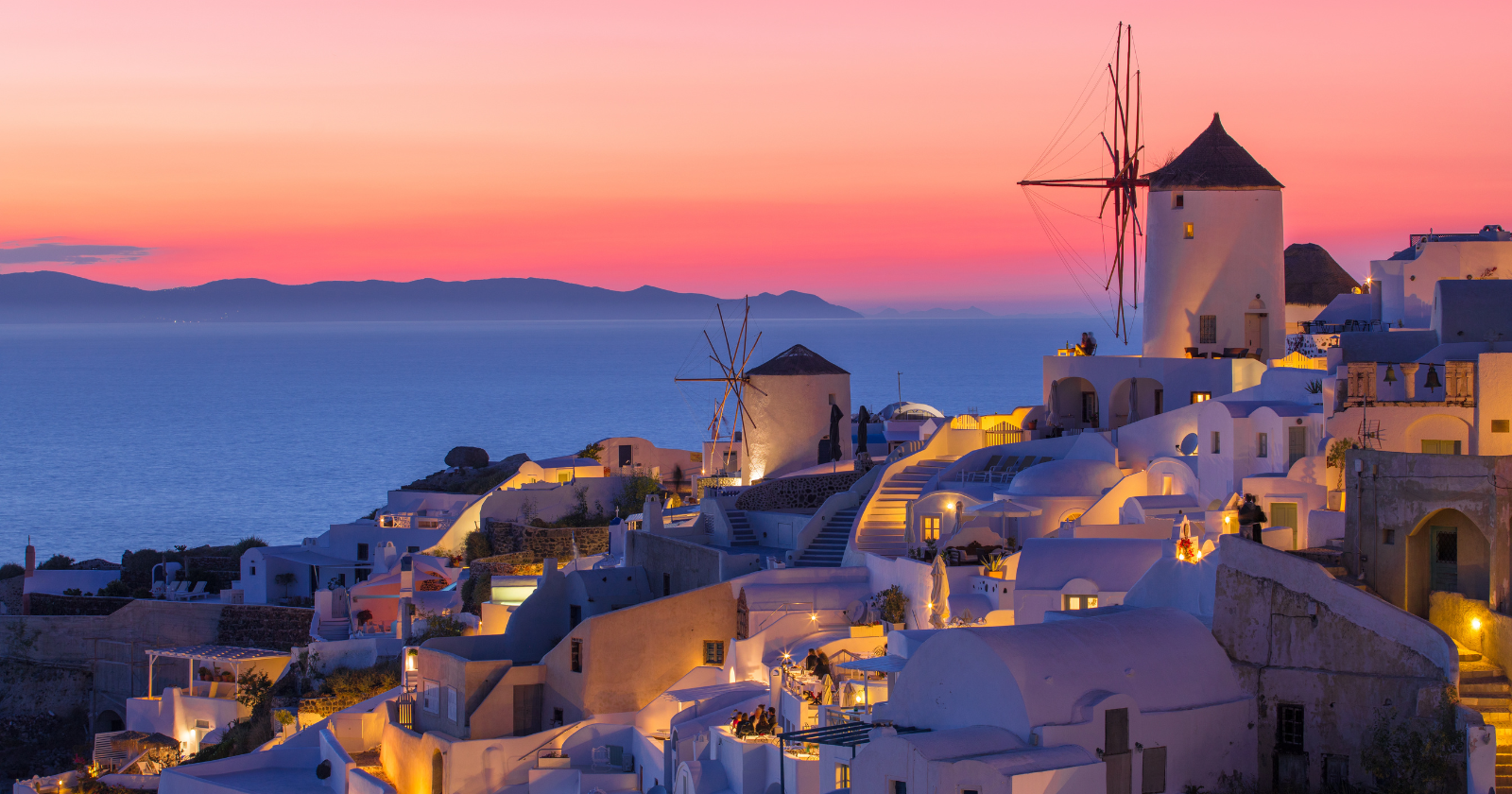
I love sunsets, but I do not love being herded into a cliffside maze while grown adults argue about tripod legs.
In Oia, the sunset is theater and the cast is half the island.
Everyone wants the same frame, and there are only so many railings to lean on.
Here is the big truth no one leads with: You need horizon, a breeze, and someone or something to share it with.
For me it was a plate of grilled octopus at a taverna a fifteen-minute walk away.
Slight char, drizzle of olive oil, lemon that tasted like sunshine.
The sky turned from apricot to violet while the staff laughed in Greek and refilled water without asking; that was the moment.
I think about Cal Newport’s idea of attention as a resource.
Spend it deliberately or it will get spent for you.
At the Oia bottleneck, your attention will be taxed to zero by other people’s plans.
A wiser play is to pick a secondary terrace, go early, and let the color shift while you eat.
When the crowd roars at the final green flash, you will hear it echo like applause from a theater you chose not to enter.
If you must try the classic photo, walk the lanes earlier in the day and pick your anchor points.
Notice where the staircases open to the caldera.
Count five doors from the bakery, note the blue dome, then leave.
Come back thirty minutes before the show with one shot in mind.
Get the shot, then put the phone down.
That single act transforms the experience from content harvest to presence.
4) Machu Picchu is not a mystery you unlock by getting there first
Alarms went off at 3 a.m. in Aguas Calientes, hikers shuffled to buses in the dark, and everyone wanted to beat everyone else.
I have respect for ambition, but I have learned this about iconic places: the land sets the tempo.
At the gate I watched people jog past the terraces like they were trying to PR a 10K.
Ten minutes later the fog rolled in and humbled us all.
No one could see the postcard view, which was perfect.
It nudged us into the details: The stone fit, the terraces holding the slope, and the way the mountain breathes mist like a sleeping animal.
When the view cleared, it felt earned because I adapted.
In hospitality you learn to pivot when the oven dies or a delivery is late.
You keep service quality by matching the reality in front of you, not the script in your head.
Machu Picchu rewards the same mindset.
Bring snacks you would be proud to serve a friend.
I packed coca tea bags and a simple sandwich with good cheese and tomatoes sprinkled with salt.
That small ritual at a quiet viewpoint kept me in the moment more than any shortcut.
Before any crowded situation, take ten slow breaths and choose a single intention.
It has helped in lines, meetings, and tough conversations.
The ruins teach you how to live, if you let them.
5) Times Square proves excitement without boundaries becomes noise
Lastly, the place everyone warns you about is the one that still pulls you in like a neon tide.
Times Square is designed to overwhelm.
If you arrive expecting serenity, you will lose; if you arrive expecting a light show, you will get one, plus six costumed characters and four coupon hawkers.
What no one told me the first time: Times Square works if you pair it with texture.
You need a counterpoint.
I walked the blocks at dusk, let my brain fry on the LEDs, then ducked into a midtown counter where a short-order cook was smashing burgers on a hot griddle.
The sizzle was white noise, the pickles cut through the chaos, and the whole plate tasted like relief.
There is a life skill embedded here: Set boundaries around stimulation.
The way we protect palate fatigue in a long tasting menu with a sorbet or a pause course, you can protect your mind in noisy places by inserting a reset.
Icons become icons because they carry shared meaning.
Standing under that much electricity can feel like tapping the grid.
Go once with eyes open, then give your best time to the neighborhoods where New York becomes personal.
That is where you taste the city rather than sampling its marketing.
The bottom line
Crowds are not the villain because expectations are; I went to five places everyone loves to hate and learned the same lesson five different ways.
The famous spot is only the first ingredient.
What you do with your attention, your time, and your appetite decides the flavor.
Mise en place your day: Prep your plan the night before, adjust in the morning, and remember that the service that matters is the experience you serve yourself.
Travel can be a soft teacher as it offers thousands of tiny labs for patience, presence, and priorities.
Whether you are staring at ironwork in Paris, marble in Rome, purple skies in Santorini, cloud-wrapped mountains in Peru, or neon in Manhattan, the truth is the same.
The crowd is part of the dish.
Season around it, eat slowly and walk away when you need to, then come back for one more bite.