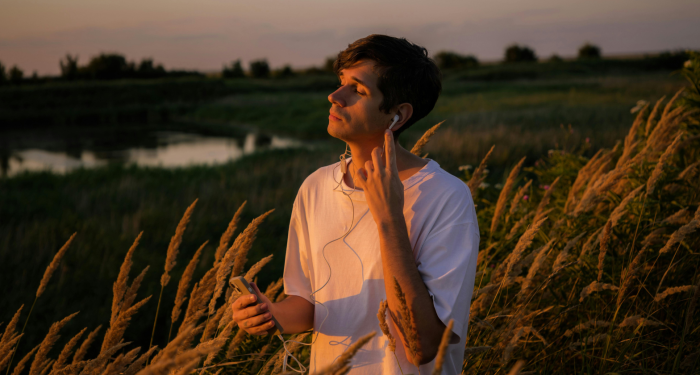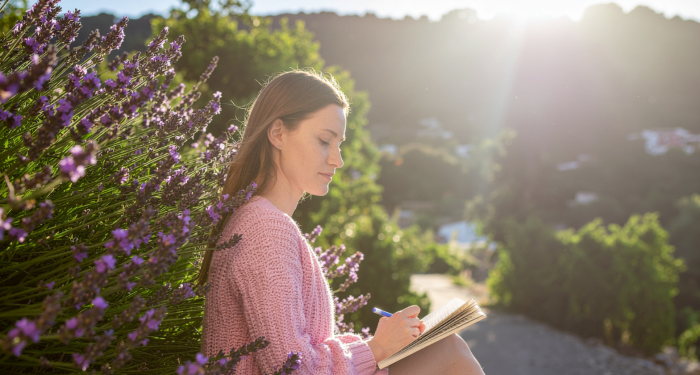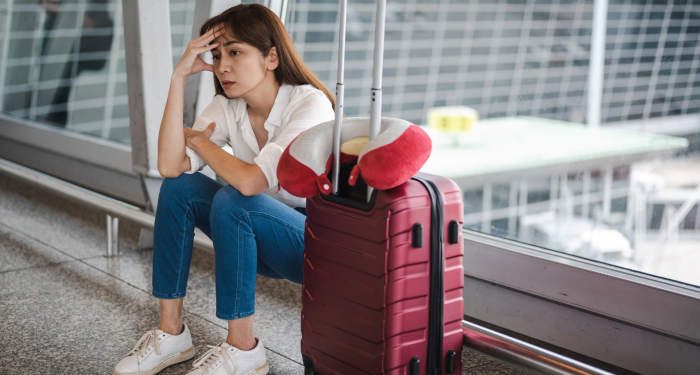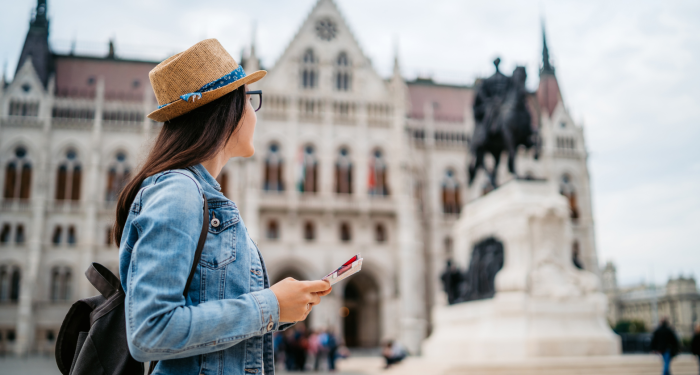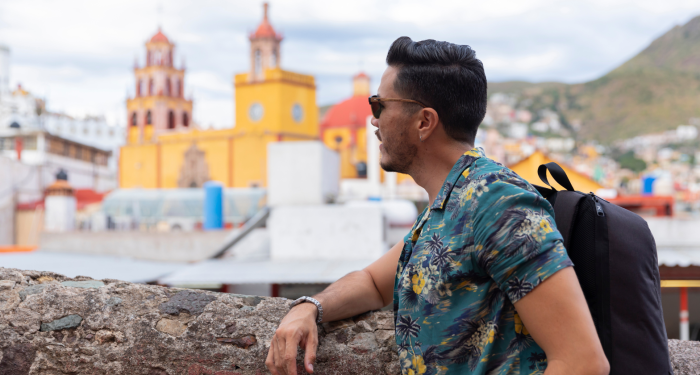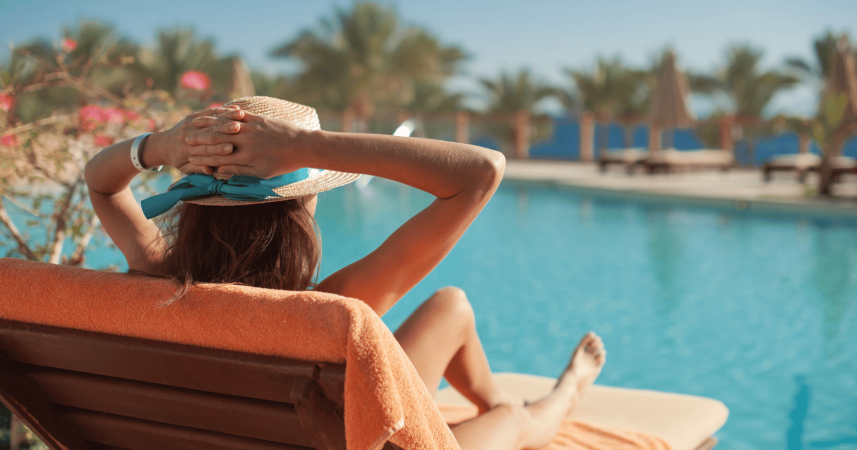
The travel industry sells one version of adventure, but some of us need silence and solitude to actually enjoy exploring the world.
Ever scrolled through travel Instagram and felt exhausted just looking at it? The bustling hostels, the group tours, the "connecting with locals" photos that look like someone's worst nightmare if you're someone who recharges in solitude?
I used to think something was wrong with me for not wanting the typical travel experience. During my years in finance, I'd attend conferences in exciting cities and skip the group dinners to order room service and read in bed. My colleagues thought I was antisocial. I thought I was broken.
Turns out, I was just an introvert who travels differently. And if you're reading this, you probably are too.
The travel industry markets adventure, spontaneity, and constant social interaction. But some of us want something else entirely. We want spaces that feel like sanctuaries, not party zones. We want privacy, quiet, and the ability to control our environment and energy expenditure.
Here are eight types of accommodations that introverts gravitate toward, and what they reveal about how we move through the world differently.
1) Studio apartments with kitchens
There's something deeply comforting about having your own kitchen in an unfamiliar place.
For introverts, eating out for every meal isn't just expensive, it's exhausting. The noise, the servers asking how everything is, the proximity to strangers. A kitchen means you can cook breakfast in your pajamas, eat lunch without small talk, and skip the dinner rush entirely.
When I transitioned from finance to writing and started traveling more affordably, I discovered vacation rentals with kitchens. Suddenly, travel felt less depleting. I could start my mornings quietly with coffee and oatmeal before facing the world, rather than immediately dealing with hotel breakfast buffets and cheerful staff.
Plus, cooking in a new place with local ingredients from farmers' markets became its own form of exploration. No forced conversation required.
2) Ground floor rooms with private entrances
This might seem overly specific, but stay with me.
Ground floor accommodations with separate entrances mean you can come and go without navigating lobbies, elevator small talk, or running into other guests in hallways. You control your interactions completely.
After a day of sightseeing or hiking trails in a new place, the last thing an introvert wants is forced pleasantries with strangers. A private entrance means you can slip back into your space unnoticed, process your day, and recharge without performing social niceties when you're already depleted.
It's the difference between travel as a performance and travel as actual rest.
3) Accommodations slightly outside the main tourist areas
Most travelers want to be in the thick of things. Introverts? We want to be near things, with the option to retreat.
Staying a few blocks or a short transit ride away from major attractions gives you buffer space. The streets are quieter. The energy is calmer. You can choose when to engage with the chaos rather than being immersed in it constantly.
I learned this after booking what I thought was a great deal in the heart of a European city's nightlife district. The noise, the crowds, the constant activity outside my window made it impossible to truly relax. Now I specifically look for neighborhoods that feel residential but accessible.
Introverts need that decompression zone between experience and rest. Location matters more than convenience when your well-being depends on managing stimulation.
4) Places with outdoor private spaces
A balcony, a patio, a small garden. Even just a private outdoor area where you can sit with morning coffee or evening wine makes a huge difference.
Outdoor space gives you fresh air and a change of scenery without requiring you to be "on" around other people. It's the introvert sweet spot between isolation and experience.
During my trail running years, I've stayed at places specifically because they had outdoor spaces where I could stretch, journal, or simply exist outside without the performance of being a tourist. That morning quiet on a private balcony, watching a new place wake up, often became my favorite part of the trip.
It's access to the world on your terms.
5) Long-term rentals over hotels
Hotels are designed for transience and service, which sounds nice until you realize it means constant interaction.
Housekeeping knocking. Front desk calls. Breakfast times. The expectation that you'll come and go and engage with staff. For a weekend, fine. For a longer stay? Exhausting.
Long-term rentals, whether a month-long sublet or a two-week apartment rental, let you settle into a routine. You do your own laundry. You skip days without leaving. You exist in a space without the performance of being a guest.
When I left my corporate job and started traveling while writing, I discovered that staying places for weeks rather than days completely changed my relationship with travel. I became a temporary resident rather than a tourist, which suited my introverted nature perfectly.
6) Accommodations with soundproofing or quiet policies
This is non-negotiable for many introverts: actual quiet.
Thin walls, noisy neighbors, street noise, hallway conversations at midnight. These aren't minor annoyances for introverts; they're deal-breakers. When you're already managing the sensory overload of new environments, you need your accommodation to be a genuine refuge.
Some introverts specifically seek out accommodations that mention soundproofing, quiet hours, or adult-only policies. Not because we hate fun or families, but because we need to control our auditory environment to function.
I've learned to read reviews specifically for mentions of noise. "Vibrant atmosphere" means loud. "Lively neighborhood" means you won't sleep. "Great for socializing" means run.
Introverts aren't being difficult. We're being realistic about what we need to enjoy travel.
7) Converted spaces with character over generic hotels
Here's something interesting: many introverts prefer staying in converted barns, renovated lighthouses, or unique architectural spaces over standard hotel rooms.
Why? Because interesting spaces give you something to engage with when you're alone. The history, the design details, the quirky features. You're stimulated by your environment rather than needing to seek stimulation through constant social interaction.
A generic hotel room is fine for sleeping, but it doesn't feed the introvert need for depth and meaning. A 200-year-old cottage with original beams and a story? That's interesting enough to spend time with.
Through my volunteer work at farmers' markets, I've met people who specifically seek out these types of accommodations. They're not trying to impress anyone with their lodging choices; they genuinely prefer spaces that feel like they have a soul.
8) Self-check-in options
The ability to arrive, grab keys from a lockbox, and enter your space without talking to anyone might sound antisocial. To introverts, it sounds like heaven.
Self-check-in eliminates the need to perform "I'm a pleasant guest" energy when you've just traveled for hours and are completely depleted. No lobby pleasantries. No explaining your plans. No fake enthusiasm about local restaurant recommendations.
Since leaving finance and starting over professionally, I've gotten better at honoring my actual needs rather than performing what I think people expect. That includes acknowledging that after a day of travel, I have nothing left for small talk with a check-in clerk, no matter how nice they are.
Technology that lets us bypass forced social interaction isn't making us antisocial. It's giving introverts the option to conserve energy for interactions we actually choose.
Final thoughts
Travel looks different when you're someone who needs solitude to function. We're not less adventurous or less curious about the world. We just adventure and explore in ways that honor how we're wired.
For years, I thought I was doing travel wrong because I wasn't drawn to the hostel experience or group tours or spontaneous nights out with strangers. Then I realized that the travel industry markets one type of experience as universal when it absolutely isn't.
Introverts who choose accommodations that support their needs aren't being difficult or antisocial. We're being smart. We understand that we have a finite amount of energy for new experiences, unfamiliar environments, and social interaction. Why waste it on aspects of travel that drain us rather than fuel us?
The best trips I've taken weren't the ones where I pushed myself to be more extroverted. They were the ones where I honored my needs, chose spaces that let me recharge, and engaged with new places on my own terms.
If these accommodation preferences resonate with you, you're probably an introvert who's figured out that travel should expand you, not deplete you. And there's absolutely nothing wrong with choosing spaces that make that possible.
If You Were a Healing Herb, Which Would You Be?
Each herb holds a unique kind of magic — soothing, awakening, grounding, or clarifying.
This 9-question quiz reveals the healing plant that mirrors your energy right now and what it says about your natural rhythm.
✨ Instant results. Deeply insightful.