Back in 1995, peak middle-class luxury meant all-inclusive buffets in Cancun, heart-shaped tubs in the Poconos, and once-in-a-lifetime trips to Hawaii. Here are six vacation spots that defined what it meant to “make it” in the 90s.
Remember the glossy travel brochures that used to show up in the mailbox?
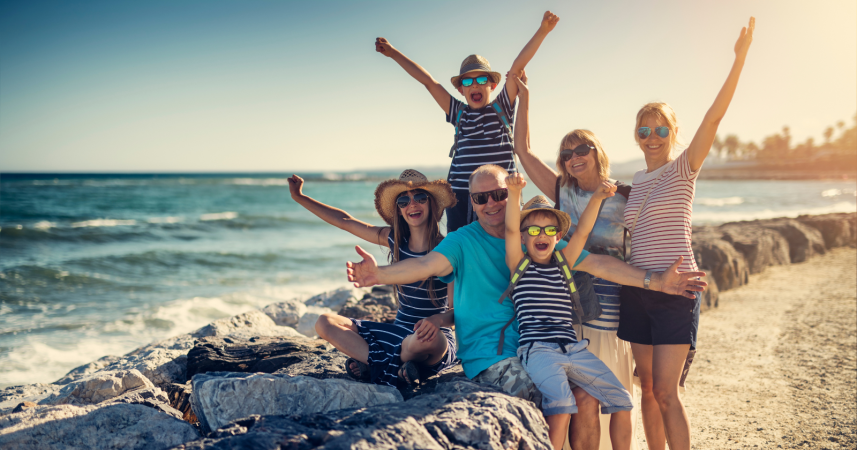
The ones with pictures of perfect beaches, high-rise hotels with giant pools, and families in matching polo shirts clinking umbrella drinks?
For a lot of middle-class families in the mid-90s, those places represented making it.
Luxury was different then.
Nobody was talking about private villas in Bali or curated ayahuasca retreats.
Instead, the dream was a resort buffet with endless crab legs or a cruise where you didn’t have to touch your wallet for a week.
Let’s take a little trip back to 1995 and revisit the six spots that, at the time, were the height of attainable luxury.
1) Cancun, Mexico
If you were a middle-class American family in the 90s, nothing screamed “we’ve arrived” like an all-inclusive week in Cancun.
The appeal was simple: turquoise water, endless piña coladas, and buffets where you could pile shrimp cocktail next to spaghetti and nobody cared.
For parents, the idea of pre-paying for everything meant no surprises when the bill came.
For kids, it was ice cream on demand.
Cancun was also one of the first places to make the all-inclusive model mainstream for the middle class.
Sure, it existed before, but in the 90s, Cancun perfected it. A single price covered flights, hotel, meals, and booze.
That sense of simplicity felt like true luxury—no thinking, no calculating, just consuming.
Looking back, the charm wasn’t in the authenticity (let’s be honest, the hotel strips weren’t showing you much of real Mexico), but in the feeling of abundance.
And abundance is what most people equate with luxury.
2) Orlando, Florida
Orlando in the 90s was a different kind of luxury: the magic of Disney World.
Families would save for years, plan elaborate itineraries, and buy essential guidebooks that told them which rides to hit first.
If you made it to Orlando in 1995, you were doing well enough to buy plane tickets, park passes, and maybe even stay on Disney property.
That last one? A serious flex.
For kids, the parks were pure wonder.
For adults, it was proof that you could give your family an experience they’d never forget.
Eating at character breakfasts, taking photos with Mickey, watching fireworks over Cinderella’s Castle—it was the dream vacation.
These days, Disney has become a different kind of beast—hyper-expensive, overly scheduled, and with a FastPass system that feels like solving a math problem.
But in 1995, it was still attainable enough for the middle class to call it a luxury trip.
3) The Bahamas
If Cancun was about abundance, the Bahamas were about escape.
Cruises to Nassau and Paradise Island were the definition of 90s sophistication.
Picture it: you step off a Royal Caribbean or Carnival ship, walk through the straw market, and maybe buy your mom a conch shell.
Back then, Atlantis Paradise Island was opening and would soon become the poster child of Caribbean luxury.
Even if you weren’t staying at Atlantis, the idea of being in the Bahamas at all felt elevated.
The pastel-colored houses, steel drum bands, and turquoise waters gave it that postcard quality that most people had only seen on screensavers.
There’s something funny about how middle-class luxury often involved being just a little bit out of your element.
Ordering rum punch at noon, snorkeling for the first time, or trying cracked conch and realizing it tasted like fried calamari.
Those small upgrades to the normal routine—that’s what made the Bahamas feel luxurious.
4) Las Vegas, Nevada
Vegas in the mid-90s was in its “family-friendly” experiment.
You had the Excalibur with its castle theme, Treasure Island with pirate shows, and the MGM Grand’s giant Wizard of Oz–Oz-inspired Emerald City.
For middle-class families, Vegas offered something rare: the feeling of being somewhere glamorous without actually spending that much.
Buffets were legendary, hotels competed to outdo each other with theme parks inside lobbies, and you could wander the Strip for free entertainment.
For adults, the luxury was in the casino glamour—slot machines, cocktails, and maybe a Cirque du Soleil show. For kids, it was roller coasters and arcades.
Today, Vegas has swung hard back to adults-only luxury with Michelin-starred restaurants, high-end shopping, and clubs where a bottle of vodka costs the price of a used car.
But in 1995, it was the perfect middle-class escape: just enough glitz to feel rich for a few days.
5) The Poconos, Pennsylvania
You might not expect the Poconos to make this list, but in the 90s, this was peak honeymoon luxury for middle-class couples.
The iconic symbol?
Heart-shaped Jacuzzi tubs.
And if you were really lucky, the champagne-glass whirlpool suite—a literal seven-foot-tall glass you climbed into to soak.
It was kitschy, sure, but it was also the fantasy of romance that '90s marketing sold hard.
The Poconos represented a kind of local luxury.
Not everyone was jetting off to Europe or the Caribbean.
For many newlyweds in the Northeast or Midwest, a few days in the Poconos with a fireplace, a tub, and maybe some skiing was the pinnacle of indulgence.
Looking back, it’s almost hilarious how much these over-the-top designs became status symbols.
But that’s the thing about luxury—it’s always about the context of the time.
6) Hawaii
And finally, the crown jewel: Hawaii.
A Hawaii trip in 1995 was the ultimate middle-class status symbol. It was far enough away to feel exotic but still comfortably American.
Families who made it to Hawaii came back with stories of luaus, black sand beaches, and pineapples that tasted sweeter than anything you could get back home.
You probably knew someone who had a photo of themselves wearing a lei at the airport.
For food lovers (and I count myself here), Hawaii was also the first introduction many people had to poke, fresh mahi-mahi, or even Spam musubi.
It wasn’t fine dining, but it was a taste of something different, which in itself was a luxury.
And unlike Cancun or the Bahamas, Hawaii carried this aura of “once in a lifetime.” It was the trip you’d talk about for years.
Even now, people will tell you about their family’s Hawaii vacation in the '90s like it was a defining moment.
The bottom line
Luxury is always changing.
What felt like peak indulgence in 1995 might look a little cheesy today, but the essence hasn’t changed—it’s about creating moments that feel bigger than everyday life.
Whether it was piling your plate high at a Cancun buffet, taking a photo with Mickey, or stepping into a champagne-glass Jacuzzi, those vacations gave people a sense of achievement and escape.
And that’s the funny thing: for all the ways luxury has evolved, from boutique wellness retreats to digital nomad villas, the feeling we’re chasing hasn’t shifted much.
We still want experiences that pull us out of the routine and make us feel like we’ve stepped into another world.
Maybe the lesson here is that luxury is less about where you are and more about how you feel when you’re there.
In 1995, middle-class families were living it up in these destinations—and for that moment, they were at the top of their game.
What’s Your Plant-Powered Archetype?
Ever wonder what your everyday habits say about your deeper purpose—and how they ripple out to impact the planet?
This 90-second quiz reveals the plant-powered role you’re here to play, and the tiny shift that makes it even more powerful.
12 fun questions. Instant results. Surprisingly accurate.