Before drive-thru stops and snack aisles, Mom’s cooler was the original Michelin-starred meal on wheels.
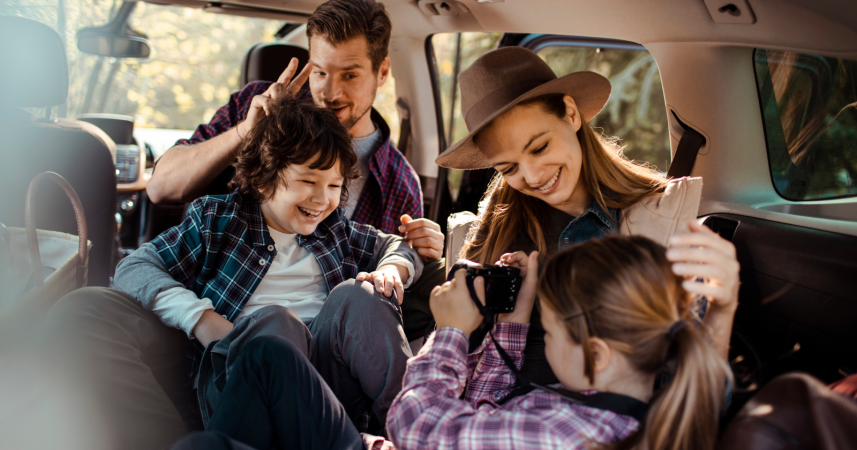
There's a specific archaeology to the working-class family road trip—one measured not in miles but in the careful economy of homemade snacks packed in Tupperware, wrapped in wax paper, or stashed in repurposed Cool Whip containers. These weren't the grab-and-go convenience store hauls of today. These were provisions, packed with a mother's calculation of how to feed a carload of kids for eight hours without stopping anywhere that charged restaurant prices.
The foods we ate in those station wagons weren't just fuel—they were emotional anchors. Our sense of smell connects directly to the brain's limbic system, which processes emotion and memory, making food-related memories particularly vivid and emotionally charged. Decades later, the mere memory of peeling an orange in a hot backseat can transport you there completely.
1. The eternal sleeve of saltines
Saltines occupied a peculiar position in the road trip hierarchy—simultaneously boring and essential, like spare tires or road atlases.
They came in their wax paper sleeve, tucked into a gallon Ziploc bag, and served multiple purposes: settling uncertain stomachs, providing a neutral platform for gas station cheese, or simply giving restless hands something to do during monotonous stretches through Indiana.
There was an understanding that saltines were poverty food dressed up as practicality. But they were also democratic—everyone got the same number, nobody complained, and they never went bad in the heat.
2. Peanut butter sandwiches on cheap white bread
The working-class road trip sandwich was a study in pragmatic minimalism. White bread that compressed into nothing, peanut butter, maybe jelly if you were lucky. No mayo-based fillings that would spoil. No lettuce that would wilt. Nothing that required refrigeration or created mess.
These packed lunches were standard for families who made road trips an adventure precisely because they couldn't afford much else. The sandwich became symbolic—you weren't stopping at Howard Johnson's, but you were still going somewhere.
What made them memorable wasn't the taste but the context: eating them while watching America scroll past the window, your mom checking the rearview mirror, your siblings fighting over leg room. The sandwich was just the vehicle for the experience.
3. Orange slices in a margarine container
The margarine tub—emptied, washed, and repurposed—was the Tupperware of the working poor. And nothing illustrated boomer mom ingenuity quite like pre-peeled orange slices stored in one of these improvised containers.
Oranges solved multiple problems. They were hydrating in an era before everyone carried water bottles. They were vitamin C when scurvy still felt like a legitimate childhood threat. They created a moment of sensory relief—that burst of citrus in a car that smelled like vinyl and body heat.
The margarine container itself was a status marker. If your family bought name-brand Tupperware, you probably weren't packing road snacks. You were stopping at restaurants.
4. Homemade cookies wrapped in foil
Our brains hardwire taste and smell to memory through the olfactory system's direct connection to the amygdala and hippocampus. The homemade cookie, still slightly warm from the oven that morning, was that connector.
These weren't artisanal bakery creations. They were whatever mom could make in bulk: chocolate chip, oatmeal raisin, peanut butter with the fork marks. Wrapped in aluminum foil because plastic wrap was expensive.
The cookie represented something beyond calories. It was evidence that someone cared enough to bake at 6 a.m. before a road trip. In working-class families where love often came disguised as logistics, a foil-wrapped cookie was an "I love you" that didn't require saying it out loud.
5. Apples—whole, uncut, no frills
The apple was punishment disguised as nutrition. Nobody wanted the apple. The apple was what you ate when everything else was gone and you were still two states from your destination.
But there was a brutal honesty to the apple that feels almost refreshing now. No one pretended it was fun. Your mom knew you didn't want it. You knew she knew. But it was cheap, it didn't spoil, and it technically counted as both food and entertainment—you could eat it slowly, making it last.
The apple cores, wrapped in napkins and stuffed in the door pocket, became a timeline of the journey. By the time you arrived, the car smelled faintly of oxidizing fruit and gasoline.
6. String cheese (if money was decent that month)
String cheese represented upward mobility in snack form. If your family packed string cheese, you were doing okay. Not great—great families stayed at Holiday Inns with swimming pools—but okay.
The individually wrapped portions were perfect for car travel. No cutting required, no mess, and the built-in entertainment of peeling it into strings made it last longer than regular cheese would. It was the closest thing to a luxury item in the road trip cooler.
Some families substituted cubes of Velveeta or blocks of government cheese. The distinction mattered to kids in ways adults didn't always understand. Food hierarchies were ruthless in the elementary school cafeteria and just as harsh in the station wagon.
7. Room-temperature juice boxes
The juice box was pure 1980s innovation—shelf-stable, portable, and marketed aggressively to families who believed "100% juice" meant something healthy. By hour four of the road trip, those boxes had achieved a temperature somewhere between lukewarm and actively unpleasant.
But you drank them anyway because liquid was liquid, and your mom had done the math: buying drinks at rest stops would double the trip budget. The convenience store culture that exploded through the '70s and '80s made it possible to stop anywhere, but working-class families knew those prices came with a premium.
The metallic aftertaste of warm Hi-C is one of those sensory memories that probably shouldn't be pleasant but somehow is. It tastes like being young enough that discomfort was temporary and destinations still felt magical.
Final thoughts
These foods weren't aspirational. Nobody was photographing their wax-paper-wrapped sandwich or their fourth saltine of the journey. But they represented something more valuable than convenience: a particular kind of care that expressed itself through planning rather than purchasing power.
The working-class boomer mom with her margarine containers and foil-wrapped cookies was performing a kind of alchemy—transforming economic constraint into adventure, making do into making memories. When we experience food-evoked nostalgia, we're accessing multiple senses simultaneously: taste, smell, texture, sight, and sound. This sensory richness explains why these memories feel so powerful.
You're rarely craving the food itself. You're craving the context: being young enough that someone else was in charge, that the destination mattered more than the journey, that the backseat of a station wagon felt like the whole world. Those snacks weren't fancy, but they were enough. And sometimes, looking back, enough was everything.
What’s Your Plant-Powered Archetype?
Ever wonder what your everyday habits say about your deeper purpose—and how they ripple out to impact the planet?
This 90-second quiz reveals the plant-powered role you’re here to play, and the tiny shift that makes it even more powerful.
12 fun questions. Instant results. Surprisingly accurate.