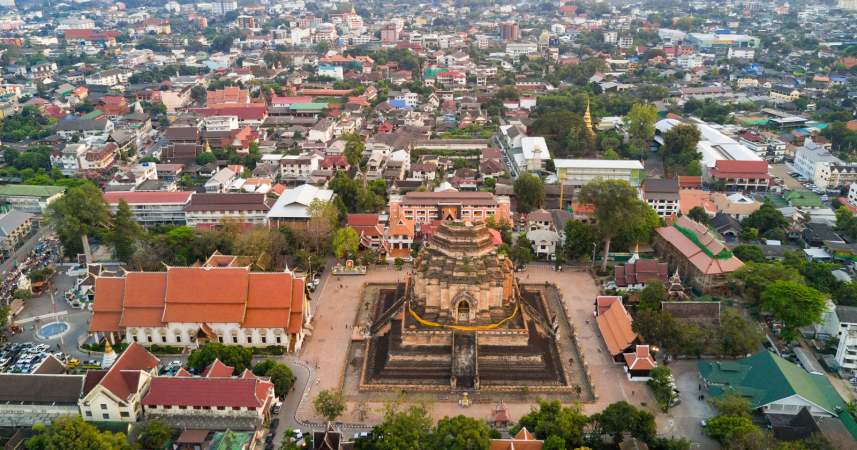
Chiang Mai fuses Lanna-era recipes, booming vegan cafés, and budget nomad life—seven reasons this ancient Thai gem tops every vegetarian traveler’s wish list.
Chiang Mai – the 13th-century former Lanna kingdom capital – has emerged as a top destination for digital nomads seeking a healthy, plant-based lifestyle.
This globally popular ancient city marries centuries-old food traditions with a contemporary wellness scene.
Below, we detail 7 evidence-backed reasons why Chiang Mai is ideal for vegetarian travelers, from its historical plant-forward cuisine to today’s thriving vegan community.
Each reason connects modern wellness travel trends with deep-rooted cultural practices, showing why this northern Thai city is a vegetarian paradise in 2025.
1. Rich Plant-Forward Food Heritage Rooted in History
Chiang Mai’s culinary traditions are steeped in plant-based goodness.
As the heart of the old Lanna kingdom, the region has long relied on naturally grown vegetables and wild plants, with local dishes historically packed with foraged greens, banana blossoms, tamarind leaves, bamboo shoots, and mushrooms.
Sticky rice and herbs form the staple base, while meat and even sugar were used sparingly in classical recipes.
This centuries-old preference for vegetable-centric dishes means many traditional Northern Thai foods are naturally vegetarian-friendly, offering travelers a taste of authentic cuisine that happens to be plant-forward.
In Chiang Mai, even ancient recipes like jackfruit curry or banana flower salad reflect a legacy of creativity with vegetables – a delicious heritage vegetarians can directly savor today.
2. Thriving Modern Vegan Food Scene
Fast-forward to 2025, and Chiang Mai boasts one of Asia’s most vibrant vegetarian and vegan scenes. The city is “easily one of the most vegan-friendly” in Thailand, with a thriving vegan food landscape that’s drawing global attention.
There are dozens of purely vegan eateries and many more vegetarian cafes, from street stalls to upscale restaurants.
Travelers can enjoy traditional Thai dishes reinvented with plant-based ingredients, like spicy curries with tofu or meat-free khao soi, without missing out on authenticity.
Night markets even offer vegan street food options alongside local crafts. This surge is recent and remarkable – in the past few years the number of vegetarian/vegan restaurants in Chiang Mai has surged, making the city a true “haven for veggie-loving visitors,” with new plant-based cafes and markets opening every year.
Whether you crave a classic curry or a modern veggie burger, Chiang Mai delivers with variety and flavor.
3. Cultural Embrace of Vegetarian Values
Thailand’s cultural and spiritual fabric aligns well with vegetarianism, and Chiang Mai exemplifies this harmony.
As a city of over 200 temples and deeply Buddhist in identity, concepts of compassion (metta) and non-harm are part of everyday life. Every year, many locals nationwide (including Chiang Mai) observe the Tesagan Gin Jay – a 9-day vegetarian festival – as a purification of body and mind.
During this period, the city’s markets and even 7-Elevens are adorned with yellow “Jay” flags, marking foods prepared without meat, fish sauce, or even garlic.
This widespread participation shows how well-understood and accepted vegetarianism is in Thai culture. Even outside the festival, Chiang Mai’s population – influenced by Buddhist and Hindu practices – is familiar with vegetarian dietary needs.
Monks and laypeople often partake in vegetarian meals on holy days, and many eateries label or accommodate “jay” dishes year-round.
For vegetarian travelers, this cultural alignment means it’s easy to be understood and welcomed: locals inherently respect plant-based choices as part of their spiritual and cultural landscape.
4. Affordable Plant-Based Living
Vegetarian nomads find that in Chiang Mai, healthy living doesn’t break the bank.
This city consistently ranks among the most affordable destinations for digital nomads, offering a high quality of life at low cost.
Accommodation and food are especially budget-friendly: a modern one-bedroom apartment in a central area like Nimmanhaemin often costs only around $250–$380 per month.
Meanwhile, eating out is delightfully cheap – flavorful local vegetarian meals or street food snacks can be found for under $2 on average.
Even dedicated vegan restaurants are inexpensive; travelers note that Chiang Mai’s plant-based eateries are not only creative and delicious but also “super affordable”.
For example, a heaping plate of tofu stir-fry with rice at a neighborhood café might be 40 THB (~$1), and fresh fruit smoothies go for pocket change.
This low cost of living means vegetarians can enjoy abundant tropical produce, frequent meat-free dinners, and comfortable housing on a modest budget – a major draw for nomads seeking wellness without high expenses.
5. Strong Community and Wellness Infrastructure
Chiang Mai has fostered a welcoming community for health-conscious travelers. Often dubbed a haven for yogis, vegans, and vegetarian foodies, the city offers ample infrastructure for a holistic lifestyle.
Dozens of yoga studios, meditation centers, and wellness retreats (many of which serve vegan meals) dot the city, creating natural meeting points for like-minded people. There’s even a highly-rated yoga retreat scene in the countryside where days are filled with classes and amazing vegan food in a peaceful setting.
Within Chiang Mai, the digital nomad and expat network is vibrant and inclusive – there are regular community meet-ups for various interests, including vegetarian and vegan dining clubs.
In fact, local nomad-run WhatsApp groups coordinate meetups for everything from hiking to vegan restaurant nights, reflecting a broad, connected social scene for plant-based travelers.
Coworking spaces and cafés abound (particularly in the trendy Nimman area), many offering plant-based menu options and non-dairy lattes.
The blend of social support, wellness activities, and accessible facilities means vegetarians quickly find their tribe in Chiang Mai – it’s easy to plug into a community that shares values of health, sustainability, and personal growth.
6. Sustainability and Farm-to-Table Ethos
What sets Chiang Mai apart is how its vegetarian scene intertwines with sustainability and ethical living.
Many plant-based businesses here go beyond diet – they champion eco-friendly practices.
For example, the city is home to a plastic-free vegan café that not only serves organic meals but also houses Chiang Mai’s only zero-waste shop, selling cruelty-free products and bulk goods with no packaging.
Diners at this cafe (Free Bird) can enjoy a hearty vegan curry then browse refillable toiletries and upcycled clothing, knowing their baht supports both the environment and a local charity.
Chiang Mai also benefits from nearby organic farms that supply its vegetarian restaurants.
A standout is Pun Pun, an organic farm and seed-saving center in the hills that runs two vegetarian restaurants in town (one even set within a Buddhist temple) to share their harvest with the community.
This farm-to-table approach means produce is fresh, seasonal, and often indigenous – think pumpkin soups, moringa salads, and fermented tea leaf dressing made from heirloom recipes.
By dining at such spots, travelers support regenerative agriculture and local farmers.
Overall, Chiang Mai’s plant-forward movement is grounded in green values: sustainable farming, waste reduction, and respect for animals go hand in hand, making it a feel-good destination for eco-conscious vegetarians.
7. Easy Access and Nomad-Friendly Convenience
Despite its ancient charm, Chiang Mai is easily accessible and exceptionally convenient for international visitors. T
he city’s airport has robust connectivity – over 500 domestic flights and around a dozen international flights depart Chiang Mai each week, linking it with Bangkok, regional hubs, and beyond.
Budget airlines offer one-hour hops from Bangkok (often under $50), so getting here is simple. Once on the ground, travelers find Chiang Mai manageable and well-equipped. The historic Old City is compact and walkable, with most temples, markets, and vegetarian eateries reachable on foot or by a short bike ride.
English signage and menus are common in tourist areas, and locals are famously friendly and helpful to newcomers.
For those looking to stay longer, Thailand has made it even easier: as of 2024, a new “Digital Nomad” visa allows remote workers to live in Thailand long-term, with up to 180-day stays per entry on a 5-year permit.
Even on a standard visa-exempt entry, many nationalities can now stay 30–45 days without hassle, and extensions are straightforward.
In short, Chiang Mai offers modern infrastructure (fast Wi-Fi, co-working spaces, international hospitals) set against a backdrop of ancient walls and misty mountains.
Final thoughts
Chiang Mai shows how an ancient city can evolve into a modern wellness hub without losing its cultural soul.
Its plant-forward heritage, budget-friendly lifestyle, and tight-knit nomad community create a rare blend of authenticity and convenience.
Whether you’re scripting code from a leafy café or savoring jackfruit curry in a centuries-old temple courtyard, the city invites you to live lightly, eat vibrantly, and connect deeply.
For vegetarian travelers — and anyone chasing mindful living — Chiang Mai proves that the past and future can sit at the same communal table, sharing sticky rice and sustainable dreams.
Just launched: Laughing in the Face of Chaos by Rudá Iandê
Exhausted from trying to hold it all together?
You show up. You smile. You say the right things. But under the surface, something’s tightening. Maybe you don’t want to “stay positive” anymore. Maybe you’re done pretending everything’s fine.
This book is your permission slip to stop performing. To understand chaos at its root and all of your emotional layers.
In Laughing in the Face of Chaos, Brazilian shaman Rudá Iandê brings over 30 years of deep, one-on-one work helping people untangle from the roles they’ve been stuck in—so they can return to something real. He exposes the quiet pressure to be good, be successful, be spiritual—and shows how freedom often lives on the other side of that pressure.
This isn’t a book about becoming your best self. It’s about becoming your real self.