I wasn't just carrying too much stuff. I was carrying too much anxiety, too many "what ifs," too many versions of who I thought I needed to be in different situations.

Add VegOut to your Google News feed. 
When I first started traveling as a digital nomad, my suitcase looked like I was preparing for an apocalypse.
Two laptops "just in case." Seven pairs of shoes for every conceivable occasion. Enough charging cables to power a small village. A toiletry bag that could rival a pharmacy. I was convinced that being prepared meant having everything.
The reality hit me hard on a sweltering afternoon in Ho Chi Minh City.
I was dragging my 50-pound suitcase up three flights of narrow stairs to my Airbnb, sweat pouring down my face, cursing every "essential" item I'd packed. My back ached, my shoulders screamed, and I felt like a walking advertisement for everything wrong with modern travel.
The weight of our choices
Here's what nobody tells you about nomadic life: every item you pack becomes a decision you have to make over and over again.
Do I really need this? Where does it go? How much space is it taking up? What happens if I lose it?
After months of lugging around things I thought I needed, I realized I was spending more mental energy managing my possessions than focusing on why I'd started traveling in the first place.
The breaking point came during a particularly chaotic travel day from Bangkok to Lisbon. I missed my connection, my bag was overweight, and I found myself frantically shuffling items between bags at the check-in counter while irritated passengers queued behind me.
Standing there, holding a hair straightener I'd used exactly twice in six months, something clicked.
I wasn't just carrying too much stuff. I was carrying too much anxiety, too many "what ifs," too many versions of who I thought I needed to be in different situations.
The ruthless edit that changed everything
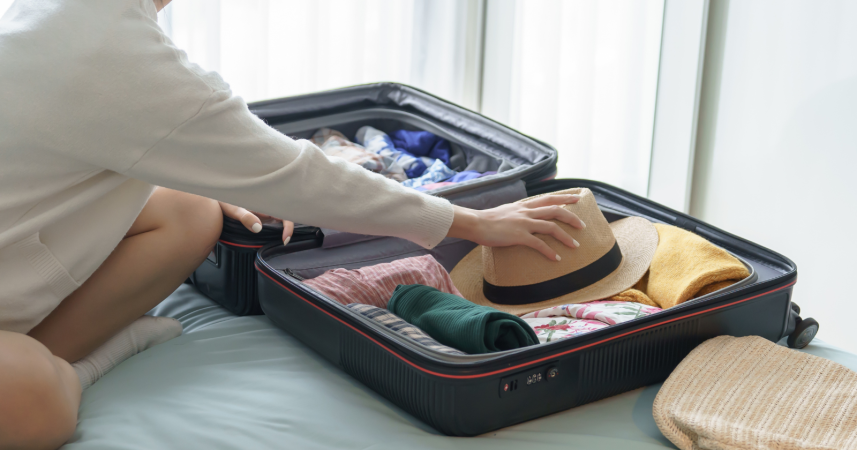
When I finally settled into my tiny apartment in Porto a few days later, I did something radical. I emptied everything onto my bed and divided it into three piles: essential, useful, and wishful thinking.
The essential pile was embarrassingly small. My laptop, charger, phone, passport, and about a week's worth of clothes. That was it.
The useful pile contained things that genuinely improved my daily life but weren't deal-breakers. A portable coffee mug. One nice outfit for client calls. A lightweight rain jacket.
The wishful thinking pile? That was the real eye-opener. Books I intended to read but never did. Gadgets for hobbies I might pick up. Clothes for the person I thought I'd become on the road.
I gave away half my belongings that week.
What I actually need vs. what I thought I needed
The difference between my old packing list and my new one was staggering.
Gone were the backup electronics, the five different phone chargers, the "just in case" medications I'd never touched. What remained was surprisingly liberating: one laptop, one universal adapter, one week of clothes, and the kind of confidence that comes from knowing you can handle whatever comes your way with less.
The real game-changer wasn't what I kept—it was how I thought about each item.
Instead of packing for every possible scenario, I started packing for my actual life. Not the Instagram version where I'm constantly attending beachside meetings and rooftop networking events. The real version where I work from coffee shops, take long walks, and spend most evenings reading or video-calling friends back home.
This shift in mindset transformed how I approached everything.
When I was planning my month in northern Thailand, I didn't pack hiking boots for the trek I might take. I researched what I'd actually be doing and packed accordingly. Turns out, a good pair of walking shoes worked perfectly for both city exploration and the one temple hike I actually ended up doing.
The ripple effects I didn't expect
Traveling light didn't just make moving easier—it changed how I experienced each place.
Without the burden of managing so much stuff, I found myself more spontaneous. In Chiang Mai, when a fellow nomad mentioned a last-minute trip to a nearby village, I could pack and be ready in ten minutes. Previously, the thought of reorganizing my entire suitcase would have kept me anchored to my original plans.
The mental clarity was even more profound.
I stopped spending mornings deciding what to wear from an overwhelming array of options. With fewer clothes, getting dressed became automatic. I had more headspace for the work I was there to do and the experiences I wanted to have.
There was something deeply freeing about knowing I could carry everything I owned up a flight of stairs without breaking a sweat.
The psychology of enough
What surprised me most was how this minimalist approach spilled over into other areas of my life.
When you get comfortable with having less stuff, you start questioning other forms of excess too. Did I really need seven different productivity apps on my phone? Why was I subscribing to five streaming services I barely used?
The packing list became a gateway to examining what "enough" actually meant in my daily life.
I began to see the connection between physical clutter and mental clutter. Every unnecessary item I carried was a tiny decision point, a small drain on my attention. Multiply that by dozens of objects, and suddenly my brain was running background processes I didn't even realize were there.
My current packing reality
When I travel, my entire nomadic life now fits into a 35-liter backpack and a small daypack. Here's exactly what's inside:
Clothing (7-day rotation)
- 2 merino wool long-sleeve shirts (wrinkle-resistant, odor-resistant, work for meetings or casual)
- 2 cotton t-shirts (lightweight, quick-dry)
- 1 lightweight cardigan (doubles as a blanket on flights)
- 1 midi dress (can be dressed up or down)
- 1 pair of shorts.
- 1 pair of dark jeans
- 1 pair of leggings (for workouts, sleep, or layering)
- 7 pairs of underwear (quick-dry fabric)
- 3 bras (1 sports bra, 1 regular, 1 nice one)
- 7 pairs of socks (merino wool blend)
- 1 light rain jacket with hood
- 1 swimsuit
Shoes (maximum 2 pairs)
- 1 pair of comfortable walking shoes (I can hike, walk cobblestones, or wear to dinner)
- 1 pair of lightweight sandals or flats
Tech & Work
- MacBook Air (13-inch)
- Phone and charging cable
- Universal travel adapter with USB ports
- Portable battery pack
- Noise-canceling earbuds
- Lightweight laptop stand (foldable)
Personal Care & Health
- Solid shampoo and conditioner bars
- Toothbrush and toothpaste tablets
- Deodorant (solid)
- Sunscreen (small tube)
- Basic makeup.
- Basic first aid: pain relievers, bandaids, antihistamine
Documents & Money
- Passport and backup copies stored digitally
- Credit cards (2) and small amount of cash
- Travel insurance documents (digital)
Comfort & Convenience
- Lightweight silk sleep mask and earplugs
- Reusable water bottle (collapsible)
- Kindle
- Small notebook and pen
- Packing cubes (2 small ones for organization)
That's it. Everything else can be purchased locally or I've learned I simply don't need it.
What actually matters when you're far from home
Here's what I've learned about the things that truly matter on the road: they're rarely physical objects.
The connections you make with other travelers. The confidence that comes from navigating a new city. The satisfaction of solving problems with creativity instead of stuff. These are the experiences that enrich nomadic life, and none of them require extra luggage.
The few items I do carry earn their place by serving multiple purposes or bringing genuine daily value. My merino wool shirts work for both client calls and weekend adventures. My kindle holds a library's worth of books without the weight. My universal adapter works in every country I've visited.
Everything else? I can buy it when I need it, or more often, I discover I never needed it at all.
The unexpected confidence boost
Traveling with less has made me a more resourceful person.
When I don't have a specific tool or piece of clothing, I find alternatives. I borrow, improvise, or simply go without. Each small problem I solve without relying on my possessions builds confidence that I can handle whatever comes next.
There's a particular kind of self-assurance that comes from walking through an airport with everything you own on your back, knowing you could change course at any moment.
This isn't about deprivation or proving how little I can survive on. It's about intentionality. Every item I carry is there because it actively improves my life, not because I'm afraid of what might happen without it.
The real transformation
The minimalist packing list didn't just change how I travel—it changed how I think about what I need to be happy.
Turns out, it's a lot less than I thought.
I'm more present in each place because I'm not managing a mountain of possessions. I'm more flexible because I'm not weighed down by the fear of leaving something behind. And paradoxically, I feel more prepared for anything because I've learned to trust my ability to figure things out as they come.
The magic isn't in the specific items I pack or don't pack. It's in the mindset shift that happens when you realize the difference between what you want and what you actually need.
Most of the time, what we need fits in a surprisingly small bag.
If You Were a Healing Herb, Which Would You Be?
Each herb holds a unique kind of magic — soothing, awakening, grounding, or clarifying.
This 9-question quiz reveals the healing plant that mirrors your energy right now and what it says about your natural rhythm.
✨ Instant results. Deeply insightful.

Avery White
Formerly a financial analyst, Avery translates complex research into clear, informative narratives. Her evidence-based approach provides readers with reliable insights, presented with clarity and warmth. Outside of work, Avery enjoys trail running, gardening, and volunteering at local farmers’ markets.
More Articles by Avery