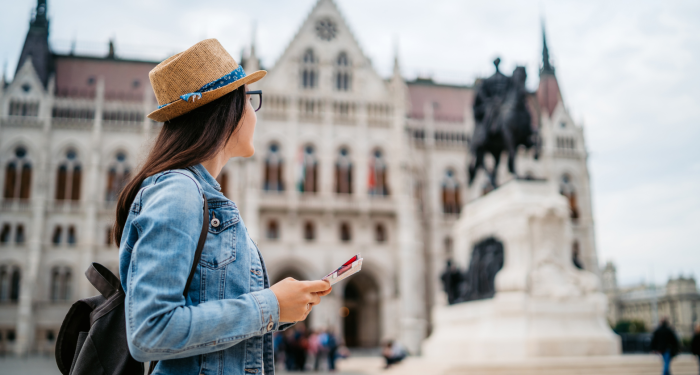
When your dream getaway includes memory foam mattresses, walking tours that start after 10 a.m., and a local farmer’s market—congrats, you’ve officially mastered the art of vacationing like a grown-up.
We don’t stop loving adventure as we get older—we just get smarter about how we spend our energy.
The perfect trip becomes less about ticking off landmarks and more about how we’ll feel during and after the journey.
Will this itinerary leave me energized or wrung out?
Will I actually savor the place, or just collect photos?
Here’s what I’ve learned from clients, friends, and my own trial-and-error planning: once you pass 50 (or you’re simply prioritizing your body and brain), the best vacations share a few telltale ingredients.
If you’re dreaming up your next escape, use these ten markers as a checklist.
1. A bed that loves your back
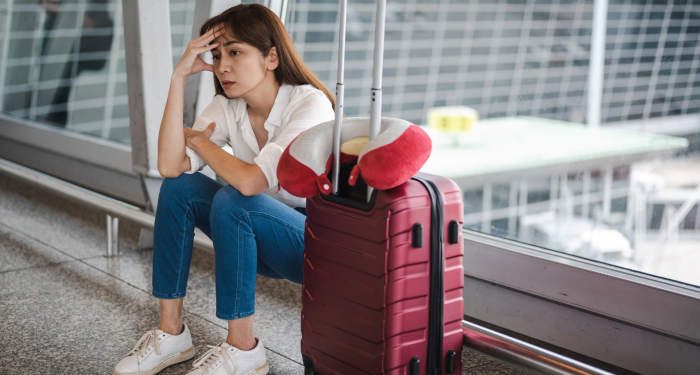
Ever returned from a beautiful trip feeling like you need a vacation from your vacation?
That’s usually a sleep issue wearing a disguise. I used to scan hotel photos for rooftop pools; now, I read about mattress quality and blackout curtains. Progress.
Ask the property three direct questions before you book:
What type of mattress is in the room (firm, medium, pillow-top)?
Are there true blackout shades?
And is the room insulated from street or hallway noise?
If they dodge answers, that’s your answer.
Two quick upgrades: pack a travel-sized white noise machine and a compressible pillow you actually like.
Nothing ruins a day of exploration faster than a night of shallow sleep—and nothing protects mood, memory, and metabolism like a solid eight.
2. Direct flights and easy transfers
Is a $90 fare difference worth two layovers and a sprint through an unfamiliar airport?
Ten years ago I’d say sure.
Today: hard pass.
The cost of friction—missed connections, long security lines, lost luggage—shows up in sore joints and frayed patience.
Prioritize the fewest segments, not the cheapest ticket.
If a connection is unavoidable, give yourself a generous buffer and choose a hub with good lounge access and clearly marked mobility options (moving walkways, shuttles).
Think of energy as a budget line item; protecting it is what lets you enjoy the destination.
3. Slow mornings, not jam-packed schedules
Do you really need to be on that 7 a.m. “See It All” bus?
The most restorative trips I’ve taken start deliberately slow: a quiet coffee, a short walk, and a late-morning museum slot instead of a dawn dash.
I plan one “anchoring” experience per day—a guided walk, a cooking class, a show—and leave the rest blank.
This creates space for serendipity: the side street café, the gallery you stumble into, the conversation with a local that becomes the best memory of the week.
Counterintuitively, doing less lets you experience more.
4. Walkable, culture-rich neighborhoods
Great trips aren’t only about major sights; they’re about how you move through a place.
I look for neighborhoods where daily life happens at street level—markets, plazas, bakeries, pocket parks—so I can explore on foot without playing Frogger across six lanes of traffic.
Before I book, I open a map and check:
Are there groceries within a 10-minute radius?
Is there green space?
Is the sidewalk network continuous?
A walkable base shifts you from “transporting yourself to experiences” into “living inside the experience.”
That’s a subtle but powerful upgrade.
5. Fresh, nourishing food (and time to savor it)
Once upon a time, I could skip lunch and call a croissant “dinner.”
These days, my body calls the shots—and it votes for real meals at regular intervals.
I also love weaving in farmers’ markets. Volunteering at my local market taught me that fresh food is a shorthand for culture: you taste the place and meet the people.
Build your days around a lingering meal, not a line. Ask your host where they eat on a Tuesday, and go early.
If you have dietary preferences or allergies, email the restaurant ahead of time; chefs appreciate the heads-up, and you’ll enjoy a relaxed, not improvised, experience.
(If you’re the plan-ahead type, drop a pin for the nearest market and grocery. Your future self will thank you when jet lag hits and you want fruit, water, and something simple.)
6. Nature you can feel, not just photograph
Whether it’s an oceanside path, a shady ravine, or a botanical garden, a daily dose of green space changes the tone of a trip.
I’m a trail runner, so I always ask locals for an easy loop—nothing epic, just 30–45 minutes where I can smell pine or ocean, listen to birds, and reset my nervous system.
You don’t need to “earn” your food with a hike.
Think micro-moments: sit under a tree, take your coffee to a park bench, watch a sunset with your phone on airplane mode.
The key is contact—feeling the breeze, noticing the light—not collecting a postcard view from the crowded overlook.
7. Movement built into the day
As noted by the CDC, ‘Physical activity is one of the most important things you can do for your health.’
I’d add: it’s also one of the best ways to really know a place.
Moving your body—walking to dinner, climbing a bell tower, paddling a quiet cove—stitches the map into your memory.
Packing list: supportive shoes you’ve already broken in, lightweight layers, and a simple mobility routine saved on your phone.
Five minutes of hip and ankle openers before bed can make the next day’s adventures feel brand new.
If you track steps, treat your daily goal as a guide, not a competition.
This isn’t a boot camp; it’s a joy practice.
8. Learning something hands-on
“Is this trip teaching me anything?” That question has become a North Star for me.
A ceramic class in Oaxaca, a beginner’s tango lesson in Buenos Aires, a spice-blending workshop in Marrakech—skills you try with your hands lodge more deeply in memory than facts you read in a brochure.
This is backed by experts like the National Institute on Aging, which notes that learning new skills supports cognitive health as we age.
Skill-based experiences also build gentle structure into a day and often connect you to small, local businesses.
Pro tip: schedule your class early in the trip.
Instructors are fantastic recommendation engines, and you’ll get insider tips for the rest of your stay.
9. Space for real connection
“Good relationships keep us happier and healthier.”
That line—shared by psychiatrist Robert Waldinger, who directs the long-running Harvard Study of Adult Development—has reshaped how I design vacations.
I build in time to talk, unhurried, with the people I’m traveling with and with the people who call my destination home.
How? Book an apartment with a table big enough for card games.
Choose a small group tour where conversation is possible.
Ask open questions—“What do you love about living here?”—and then simply listen. If you’re traveling solo, connection might look like a book club at an English-language bookstore or a volunteer day at a community garden.
You’ll go home with stories, not just souvenirs.
10. A safety net that lets you relax
Nothing is more luxurious than peace of mind.
That means travel insurance that covers medical care and evacuation, copies of prescriptions, and a simple plan for what you’d do if your phone vanished or your knee protested on day two.
I used to think of these as “worst-case” tasks. Now I see them as freedom tasks.
When you’ve lined up the boring but essential stuff—emergency contacts, local clinic addresses, a card with allergies translated into the local language—you stop bracing for what could go wrong and start noticing what’s going right.
Two more small moves with big payoff: opt for accommodations with an elevator (or request a lower floor) and book at least one unstructured afternoon after any long transit day.
Your joints and your mood will feel the difference.
Putting it all together
If this list looks suspiciously like “treat yourself like someone you love,” that’s the point.
The most satisfying trips after 50 aren’t smaller dreams—they’re truer ones.
They honor how your body feels now, what your mind craves now, and the kind of memories you want later.
A simple way to plan:
-
Pick a walkable neighborhood with green space.
-
Anchor each day with one meaningful experience.
-
Protect your sleep.
-
Weave in movement and learning.
-
Leave white space for connection and wonder.
-
Put a safety net under the whole thing so you can exhale.
And ask yourself as you sketch the itinerary:
Where will we linger? What will we smell and touch? Who might we meet?
When your answers light you up, you’re onto the right trip.
Here’s to vacations that fit like your favorite shoes—supportive, flattering, and made for going further than you thought. If that’s “over 50,” then I say: more, please.
What’s Your Plant-Powered Archetype?
Ever wonder what your everyday habits say about your deeper purpose—and how they ripple out to impact the planet?
This 90-second quiz reveals the plant-powered role you’re here to play, and the tiny shift that makes it even more powerful.
12 fun questions. Instant results. Surprisingly accurate.