The landscapes are stunning. The food portions are huge. The highways feel endless. But the real revelations come from the people.
You think you know Americans.
Movies, TV, TikTok—they all give you an image.
Loud. Patriotic. Cheeseburger-obsessed.
But living among them, eating in their diners, sitting on their porches, and chatting in their dive bars tells a very different story.
The locals are far more complex than the clichés.
They’re warmer in some ways. Stranger in others. And endlessly surprising in ways you only discover when you’ve been around long enough to notice the little things.
Here’s what I learned that nobody told me before I set foot on U.S. soil.
They’re friendlier than you expect—until they’re not
Americans greet you with open smiles, booming “Hey, how are you?” and casual warmth that feels intoxicating at first.
But here’s the twist—those smiles don’t always mean friendship.
In some places, friendliness is surface-level. It’s politeness, not intimacy. People will chat at length in line, then vanish forever.
In other regions, that friendliness does become real. You’ll find yourself invited to cookouts, Sunday dinners, even weddings after knowing someone a week.
The tricky part is figuring out which is which.
Americans are masters of the warm hello—but sometimes, they’re less reliable when it comes to the follow-up.
They overshare almost immediately
One of the biggest shocks is how quickly Americans tell you their life story.
Within minutes, a stranger will confess details about their divorce, their dog’s medical history, or the exact debt on their student loans.
It’s startling, but oddly refreshing.
The culture prizes openness over formality. Silence feels awkward here, so people fill it with stories, details, and little confessions that Europeans, for example, might save for close friends.
The upside? You get fascinating insights into people’s lives.
The downside? Sometimes you’re trapped at a bus stop hearing about somebody’s gallbladder surgery when all you wanted was the time.
They are obsessed with convenience
If there’s one word that defines the American way of life, it’s “convenient.”
Drive-thrus for coffee. Drive-thrus for pharmacies. Even drive-thru ATMs so you never have to leave your car.
At first, it feels like genius.
Then you realize it’s an addiction. Americans don’t just want things easy—they expect them easy.
Microwave dinners, apps that deliver anything within the hour, gas stations that double as supermarkets.
It’s impressive, but it also makes them impatient. When life is built on convenience, any delay feels unbearable.
It explains the sighing, foot-tapping energy you see in airport security lines.
They really do love small talk
Small talk isn’t filler here—it’s social glue.
From the barista to the Uber driver to the person sitting next to you on the plane, chit-chat is constant.
“How’s your day?” “Crazy weather, huh?” “What brings you to town?”
It may feel shallow, but it’s not. It’s a cultural ritual that signals friendliness, safety, and openness.
Americans don’t need every conversation to be deep. They just need it to be warm.
If you resist, you risk being seen as cold.
Lean into it, and suddenly doors open everywhere—from insider tips at diners to spontaneous invites to tailgate parties.
They are fiercely regional
The U.S. isn’t one culture—it’s fifty.
In Texas, locals size you up based on how you eat barbecue.
In New England, it’s about how you pronounce “coffee.”
In California, it’s whether you know the difference between oat milk and almond milk.
Every region is convinced it’s the real America.
And locals can be territorial about their food, their slang, their traditions.
The funny part?
Americans themselves are sometimes baffled by other regions. A New Yorker feels lost in rural Montana. A Floridian is confused by a snowy Minnesota winter.
Travel long enough, and you realize you’re not visiting one country. You’re visiting many.
They tip like it’s second nature
For Americans, tipping is muscle memory.
Twenty percent at restaurants. A few dollars for the barista. Spare change for the rideshare driver.
For visitors, it feels extreme—like being charged twice.
But for locals, it’s normal. And they’ll notice if you don’t follow suit.
The truth? Many workers depend on tips to survive.
And Americans have absorbed that reality so deeply that not tipping feels less like frugality and more like an insult.
If you want to blend in with locals, learn the tipping culture fast.
Because nothing outs you as an outsider faster than stiffing a waiter.
They are deeply patriotic—even when critical
Even the Americans who criticize their country endlessly often hold a core sense of pride.
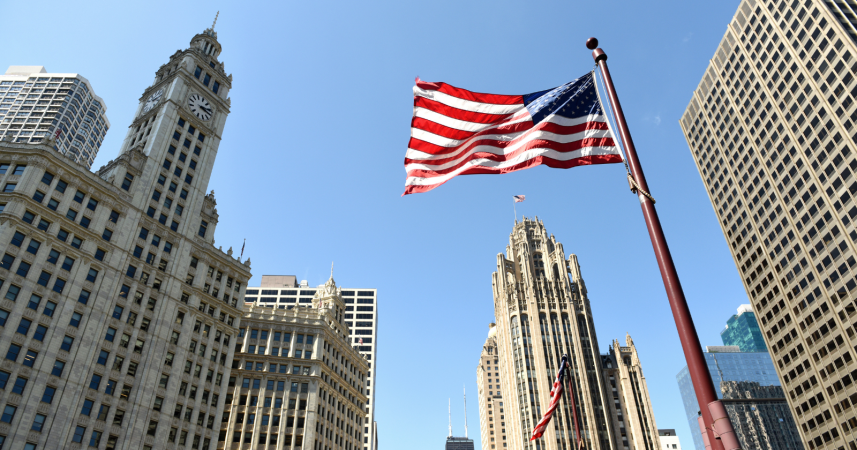
Flags fly from porches in suburban neighborhoods. National anthems play before sports games. Holidays revolve around fireworks and barbecues.
It’s not blind loyalty—it’s identity.
Locals can complain fiercely about politics, healthcare, or inequality, but they still speak about America with a sense of ownership and love.
It’s a complicated duality: proud and frustrated at the same time.
And for outsiders, it’s fascinating to watch people fiercely debate their country’s flaws while still treating it as sacred ground.
They are generous in surprising ways
For all the stereotypes about greed or consumerism, Americans can be startlingly generous.
Strangers buy you drinks at bars.
Neighbors drop off food when they hear you’re sick.
People Venmo you money back instantly if they owe you for gas.
It’s a culture that normalizes generosity in small, casual acts.
Sure, some of it is social performance. But much of it is genuine.
For all their reputation as self-interested, locals often go out of their way to help. And that generosity makes traveling through the U.S. warmer than expected.
They live large—literally and figuratively
Everything in America is bigger.
Cars. Houses. Food portions. Personalities.
Locals don’t just live. They live large.
Meals are stacked with sides. Conversations are filled with bold opinions. Hobbies are pursued with evangelical passion.
At first, it feels overwhelming.
But after a while, you realize the bigness is part of the charm.
It’s exhausting sometimes, but it’s also energizing.
The locals don’t hold back. And that makes the experience of traveling through the U.S. unforgettable.
The bigger picture
Spending a year across the U.S. didn’t just teach me geography.
It taught me culture.
It taught me nuance.
And it taught me that Americans are far harder to pin down than their stereotypes suggest.
They’re friendly but not always close.
Generous but sometimes performative.
Patriotic but self-critical.
Complex contradictions wrapped up in small talk and drive-thru coffee.
What nobody tells you is this: America’s locals are endlessly fascinating, endlessly surprising, and endlessly human.
Closing thought
The landscapes wow you.
The food overwhelms you.
The highways never end.
But it’s the locals who stick in your memory.
Their quirks.
Their contradictions.
Their warmth.
And after a year of traveling, I learned the truth.
What makes America unforgettable isn’t the places.
It’s the people.