Lower middle-class weekends weren’t glamorous, yet they trained a set of skills that compound.
Weekends have a way of telling the truth about a family’s reality.
Not in a dramatic, movie-scene way.
More in the quiet patterns.
The errands, the meals, the routines that repeat until they turn into a kind of family culture.
When I look back at my own childhood, I see a clear picture of a lower middle-class home.
The clues weren’t big.
They were in the grocery list, the way we used our time, and the rituals we built to make a little go a long way.
If you recognize these, there’s a good chance you lived something similar.
None of this is about shame.
In fact, a lot of it taught me discipline and resourcefulness that I still lean on today in the kitchen, in business, and in the gym:
1) The grocery run was the main event
Saturday mornings had a script.
We hit the same store because the bulk rice was cheaper and the manager’s special on produce landed before noon.
We bought store brands, we compared price per ounce, and we knew the cashier who would quietly accept a coupon that expired yesterday.
Food was planned like a chess game.
Pasta stretched across two dinners.
Chicken or tofu became three different meals with a marinade rotation.
We bought the big tub of yogurt because the individual cups were “for people who like wasting money.”
If this was you, you probably learned to scan shelves automatically for the lowest unit cost.
Shopping once a week forces intention.
You have to think through breakfasts, snacks, and lunches and you learn to combine fresh with frozen and make a plan for leftovers.
In James Clear’s language, you design your environment to make good choices easy.
If there are apples and nuts within reach, you grab that before the cookies.
Your weekday self will thank your weekend self every single time.
2) Meals at home were the default treat
Eating out on weekends was an occasion.
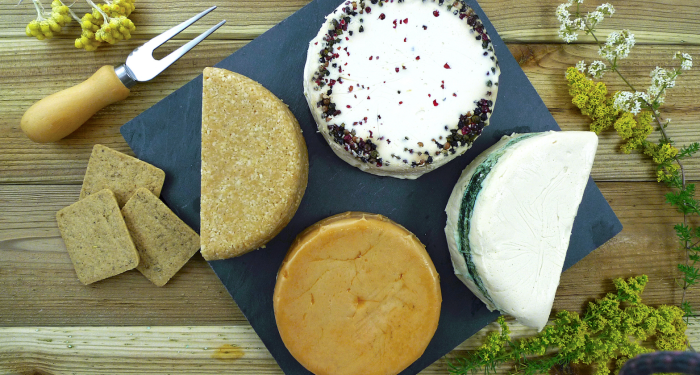
Most weeks, the fun was a home-cooked spread.
Pancakes on Sunday morning, a big pot of spaghetti, or stir-fry with whatever vegetables were peaking in the discount bin.
If we ordered takeout, one pizza fed everyone, stretched with a salad and garlic bread hacked from sliced loaf and pantry garlic.
This taught me a quiet truth I still believe: the best meals happen where there’s care, not just cash.
In nice restaurants we used to talk about “ingredient integrity.”
At home, integrity looks like rinsing beans, blooming spices, and giving onions time in the pan until they turn sweet.
When home-cooked is normal, portions are friendlier and ingredients are simpler.
You just cook real food, eat at a table, and talk to people you care about.
If you want to re-create that energy now, pick one weekend meal everyone looks forward to.
No phones, just simple ingredients.
Let someone plate the salad like a chef to make “at-home” feel special.
3) Chores were a family sport, not a punishment
Saturday was for resetting.
Laundry cycled all morning, sheets got changed, the car was washed in the driveway with a bucket and an old T-shirt, and someone vacuumed while another person chopped vegetables for the week.
If you grew up like that, you probably learned throughput.
You learned to move small tasks along and to take pride in a clear counter and a stocked fridge.
That’s operational excellence, the same thing that separates a smooth kitchen from chaos during a dinner rush.
When healthy food is 70 percent done, your future self will eat better without relying on willpower.
There’s also a mental benefit as chores together bond people.
You share effort, you feel useful, and you build a subtle confidence that says, I can handle my life.
That mindset leaks into how you manage money, career moves, and relationships.
4) Free fun was the best kind of fun

Weekends were not a carousel of paid activities.
They were a masterclass in free joy; parks, libraries, community events, church picnics, pick-up games at the school court, and long walks with an ice cream at the end if there was spare change.
We learned to savor the cheap thrill of a sunset or a yard sale score.
As a kid, I didn’t get it; as an adult, I see the magic.
When your entertainment doesn’t cost much, you do more of it.
You go outside, you see neighbors, you use your body, and you return home relaxed instead of overstimulated.
That rhythm also guards your budget without feeling like punishment.
The Millionaire Next Door talks about living below your means not as deprivation but as strategy.
Weekends full of parks and potlucks teach that without a lecture.
You leave with tired legs, not a lighter bank account.
Free fun feeds your soul and your savings at the same time.
5) Side hustles and fixes ate the afternoons
There’s a special weekend sound if you grew up lower middle class.
It’s the whir of a drill and the clink of a jar where the spare screws live.
Someone was always fixing something; a leaky faucet, a wonky cabinet door, or the secondhand bike you got for a steal.
If there was extra time, there was a side hustle too.
Selling at the swap meet, baking for a neighbor’s party, or helping a friend paint a room for a small fee and pizza.
Those hours taught problem solving and patience.
You measured twice and hoped you bought the right part and you learned to ask the hardware guy for advice and to shrug when it took two trips.
It also inoculated you against perfectionism.
Successful kitchens succeed because things recover.
A sauce breaks, you fix it; a burner dies, you pivot stations.
The same attitude applies at home.
Things will fail, but you’ll figure it out.
If you want a modern upgrade, match one chore with one learning.
Fix the hinge and watch a short tutorial on alignment.
Re-caulk the sink and read a quick article on mold prevention.
6) Money talks happened at the table
If your weekends included a bill stack and a calculator, you weren’t alone.
Maybe it was subtle, like hearing a parent say payday is Friday so we’ll buy the shoes next week; maybe it was more explicit, with envelopes for groceries, gas, and savings.
It wasn’t scarcity mindset; it was clarity.
As a kid that can feel heavy but now, as an adult, I call it a gift.
Budget literacy is life literacy.
You learn to assign every dollar a job (but without the drama), and you learn that big goals hide in small choices.
Coffee at home this month means tickets to your cousin’s wedding next month.
Trade-offs stop being villains and start being tools.
The table is also where food and money intersect in the most practical way.
If you’ve ever priced out a week of home-cooked meals versus eating out, the math is undeniable.
I’ve done costings for restaurants and for my own life.
The margins at home are much kinder.
You can buy better produce and still spend less overall.
Steal a simple move for your weekends now.
7) Errands were teamwork, not solo missions
Finally, a classic lower middle-class weekend looked like a relay race.
One person dropped off library books while another filled the gas tank.
Someone hit the pharmacy.
Someone else handled the thrift store drop.
If there was one car, schedules overlapped and there was a lot of “text me when you’re done.”
Teamwork made the day work and it built people skills by force.
You learned to coordinate, to compromise, and to keep plans realistic.
That translates into everything from managing a kitchen line to running a startup project.
There’s also a health angle people forget.
Shared errands mean shared steps and fewer impulse buys.
When you go in with a list and a partner, you stick to the plan; when you walk more and drive less, your body quietly thanks you.
It’s a movement, so stack enough of those and it adds up.
Systems lower stress.
The upside you might have missed
Lower middle-class weekends weren’t glamorous, but they trained a set of skills that compound.
Those things look small on paper, yet they make a big life and make you the person who can host a dinner without panic, apply for a new role with a clean spreadsheet, or travel on a budget without feeling deprived.
When you do decide to splurge, you feel it.
That one nice dinner out, the weekend trip, the fancy pastry from a place with a line out the door.
It tastes better because it’s rare.
That’s something I learned in fine dining and in childhood kitchens: Scarcity sharpens flavor.
If you want to build a better life from where you are, you don’t need a grand plan.
You need a weekend routine that respects your money, feeds your body, and brings your people close.
You’ll appreciate how it shaped you, and you’ll be writing a new story one simple weekend at a time.
If You Were a Healing Herb, Which Would You Be?
Each herb holds a unique kind of magic — soothing, awakening, grounding, or clarifying.
This 9-question quiz reveals the healing plant that mirrors your energy right now and what it says about your natural rhythm.
✨ Instant results. Deeply insightful.