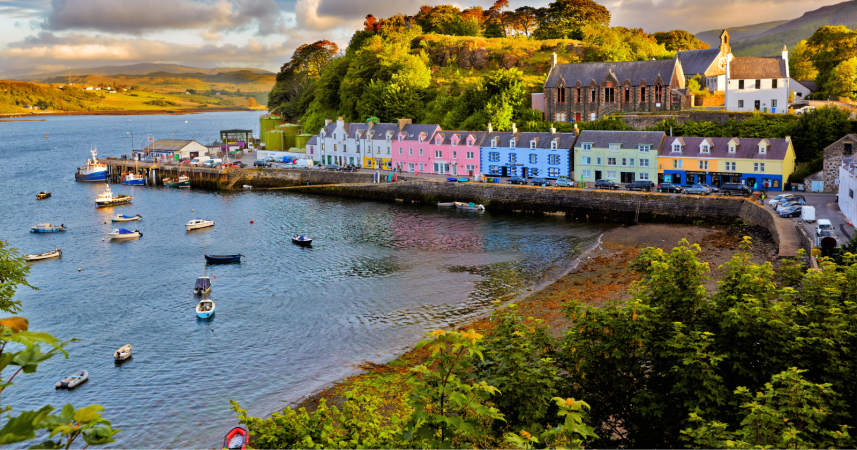
Forty countries later, the quiet ones taught me happiness is ritual, scale, community, kindness, maintenance, and attention
Some trips hand you fireworks. The ones that changed me handed me a rhythm.
I’ve been lucky (and restless) enough to visit 40 countries.
Gorgeous skylines, perfect plates, frantic agendas—I’ve tried the “collect the moment, post the proof” version of travel and it’s fun until it feels like homework.
The places that actually rewired how I think about happiness were quieter. They didn’t audition for me. They moved at their natural speed and dared me to match it.
Here are seven of those destinations and the very ordinary lessons they pressed into my routine back home.
1. Koyasan, Japan — happiness is a ritual, not a rush
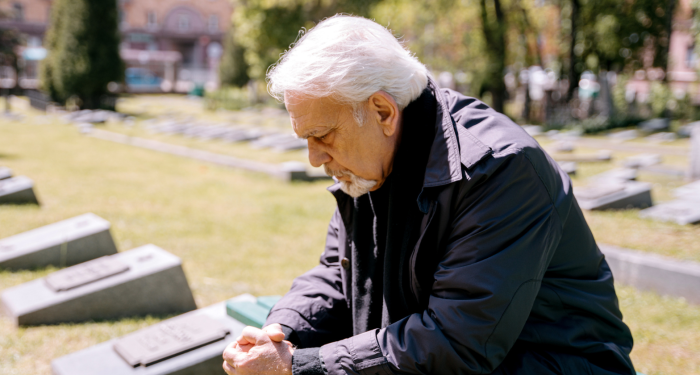
My first morning on Mount Koya started in the kind of dark that makes sound feel louder. I padded across tatami to a sliding door, breathed air that tasted like cedar, and followed lanterns through Okunoin cemetery—stone Buddhas soft with moss, thousands of memorials disappearing into fog. No one spoke. Bells carried.
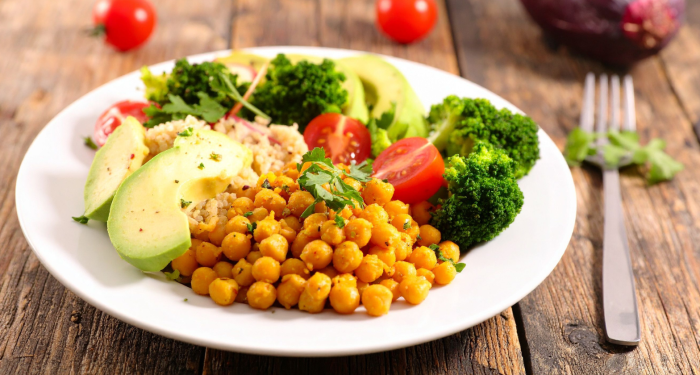
At the temple, breakfast arrived like an argument against hurry: rice, miso, pickles, simmered vegetables. Vegan by tradition, not trend. The monk set each dish down with an economy of movement that said this is the point. Not the picture. Not the story. The way your hands move when you’re feeding someone.
Nothing “big” happened. And somehow everything did.
I brought a miniature version home: same mug, same chair, same minute before screens. Three breaths, a tiny stretch, the day’s first action—pouring water for the plants or writing one sentence—done carefully. I used to think happiness hid in novelty. Koyasan taught me it hides in repetition done with respect.
2. Lake Bohinj, Slovenia — happiness is scale
Most postcards go to Lake Bled. Bohinj is where your nervous system goes to rehab.
I spent a week in a rented room above a bakery, waking to cowbells and mist without an agenda more complicated than “walk around the lake and get cold on purpose.” The water demands it. I’d wade, forget bravery, gasp, laugh at myself, go under anyway, and come up feeling like my brain had been rinsed in honesty.
On day three I climbed to Savica waterfall. The kid behind me asked his dad, “Is this the end?” and the dad said, “It’s a pause.” I stole that line.
Bohinj rearranged my sense of proportion. My inbox stopped looking like a crisis and started looking like a task. When a worry feels enormous now, I ask, “Is this big, or did I make it big?” Then I go for a cold shower or a walk under trees. Same medicine, smaller dose.
3. The Alentejo, Portugal — happiness is unhurried work
In the Alentejo, cork oaks look like they’re holding the horizon up. Whitewashed towns glow in late light. Lunch is a pause, not a transaction. I watched cork workers talk about trees the way some people talk about grandparents—by name, with patience you can’t buy.
I stayed in a tiny village where the café owner plated whatever was cooking for his family. For me, it was tomatoes that tasted like the color red, slow-cooked beans with garlic, bread you tear instead of slice. Everyone finished things and then—this part blew my American brain—stopped. Not “stop and check email.” Stop.
I came home and built finish lines into my day: laptop closed by a set hour unless someone is in a hospital (almost never), an evening walk with no headphones, dinner at a table even if it’s toast and greens. Productivity culture tells you happiness is after the next sprint. The Alentejo says it’s between sprints, if you’re willing to notice.
One afternoon the baker ran out of bread early. A line formed anyway. He came out, apologized once, and invited everyone to sit. He poured small glasses of wine, sliced a single cake, and refused payment.
We stayed, talked about weather and football, and left smiling. The product was gone. The hospitality wasn’t. That recalibrated what “enough” means for me.
4. Isle of Eigg, Scotland — happiness is shared infrastructure
A community-owned island changes your definition of “we.” On Eigg, power, ferries, repairs, trails—they’re everyone’s problem in the best way. Conversations start with weather and end with “What do you need?”
I hiked a path that looked like the earth remembering a sentence and ended up at a small gathering where instruments appeared as if signaled by barometer.
Someone passed me a bowl of stew (I mentioned I’m vegan and a neighbor improvised—potatoes, carrots, herbs from a back garden). No label, no performance. Just “we have enough for you.”
Eigg rewired a status bug in me: the urge to measure success by shininess. Durability beats polish. Since that trip I score my own projects by how many people they carry. If only I benefit, it’s fragile. If a few others are steadier because of it, we’re onto something.
5. Hualien & Taroko, Taiwan — happiness is kindness at scale
Taiwan feels like it is run by a very competent auntie. Trains that apologize for being three minutes late. Night markets that turn streets into living rooms. Temples that welcome everyone and smell like second chances.
I ordered a bowl of noodles in Hualien, pantomimed “no meat, please,” and the vendor said, “For health,” adding greens with a flourish. Later, a stranger walked me to the right bus stop instead of pointing. In Taroko Gorge, cliffs fell away like pages and a group of teenagers offered me a sesame bun “because hiking.”
None of these were big stories. The accumulation was the story. Help arrived before I asked. My body got the message: you can relax into a place where kindness is the default.
Back home I try to be first to help, then first to disappear. Carry a stroller up stairs. Give directions that walk someone to the corner. Tip like thanks is a verb. When the air around you is kinder, your definition of happiness expands to include other people’s quiet wins.
6. Osa Peninsula, Costa Rica — happiness is maintenance
Heat that makes you honest; macaws that travel in pairs like they signed a pact; mud that steals your shoe and your pride. Everything on the Osa needs maintenance: boats, trails, screens, plans. Beauty breaks and gets fixed, daily. No one is precious about it.
I thought happiness lived in big feelings. The jungle said it lives in small repairs. Drink water. Patch the screen. Stretch. Sleep. Say sorry when you’re abrupt because the humidity turned your personality spicy. Schedule the boring things that keep good days possible.
I came home and added maintenance to my calendar like it mattered: plant watering Mondays, shoe care every few months, inbox zero on Fridays, a standing “apology window” on Sundays where I send two clean repairs if I’ve been sharp with anyone. Unromantic? Completely. Also the engine for everything I actually want: creative work, decent relationships, mornings that don’t start at DEFCON 2.
A guide stopped our group to brush leaves from a trail sign we’d all missed. “If you don’t care for the obvious, you lose the subtle,” he said, not to us, to the jungle.
It landed anyway. Now when my desk gets chaotic, I hear that line and spend three minutes clearing it. The writing goes better after.
7. Westfjords, Iceland — happiness is attention
One-lane bridges that politely request your patience. Wind that edits your agenda. A sky that changes outfits every ten minutes and insists you look up.
I drove alone for hours, stopped whenever water insisted, and watched puffins behave like wind-up toys with excellent hair. No algorithm asked for anything. The world didn’t care that I’d shown up. That indifference was relief. Without an audience, I noticed different things: the texture of silence, the color of cold, the way my shoulders drop when I’m not trying to narrate.
Happiness for me used to require proof. Westfjords introduced a quieter metric: attention. Three times a day now I do a micro-attention drill—name five sounds, look for three shades of one color, breathe like I’m listening. It’s corny. It also works. My mood obeys my attention, not the other way around.
The small ways these places stayed with me
None of these trips handed me a “new me.” They handed me evidence I could repeat.
-
Ritual (Koyasan): I bow to the morning with the same mug and a minute before screens. When I skip it, the day tastes off.
-
Scale (Bohinj): I take cold water seriously and big problems less seriously. One shower, five deep breaths, decent perspective.
-
Finish lines (Alentejo): Laptop closed at a set hour unless life-or-death. Walk at dusk. Dinner at a table even if it’s toast.
-
We (Eigg): If a project doesn’t help anyone else carry their week, I’m suspicious of it.
-
Kindness first (Taiwan): If help feels small, it’s probably exactly the right size.
-
Maintenance (Osa): Schedule the unsexy to protect the wonderful.
-
Attention (Westfjords): When in doubt, look longer. Proof is optional; presence is not.
A quick note if you’re planning your own “quiet” trip
Give the trip a job: recovery, challenge, connection, or curiosity. Not all four. Pick a country that’s set up for the job you need.
-
Recovery: Portugal, Spain, Japan. Cities with soft edges and public transport that doesn’t punish you.
-
Challenge: New Zealand, Scotland. Trails, weather, and strangers who turn into friends if you ask one good question.
-
Connection: Taiwan, Portugal. Cultures where help arrives early and café tables act like community centers.
-
Curiosity: Japan, Iceland. Places that shift your default settings just enough to see your habits clearly.
Keep your days simple: one anchor plan, one wildcard, one ritual. Eat well (plant-forward is easy in all seven places above if you ask kindly and point a lot), sleep enough, drink water, write down one real sentence at night. Repeat.
Travel didn’t make me a different person. It stripped away the explanations I liked and showed me what actually works: gentle rituals, scale checks, shared effort, proactive kindness, boring maintenance, and attention that keeps my eyes open on purpose.
I’m still a sucker for a great city and a restaurant with opinions. But when I’m lost, I go back to these seven maps. Bow to the morning.
Make small things enough. Carry someone. Fix what you can. Look longer. If there’s a secret to happiness in there, it’s that none of it is a secret. It’s just the kind of simple you have to earn.
If You Were a Healing Herb, Which Would You Be?
Each herb holds a unique kind of magic — soothing, awakening, grounding, or clarifying.
This 9-question quiz reveals the healing plant that mirrors your energy right now and what it says about your natural rhythm.
✨ Instant results. Deeply insightful.