The decision looked romantic on paper.
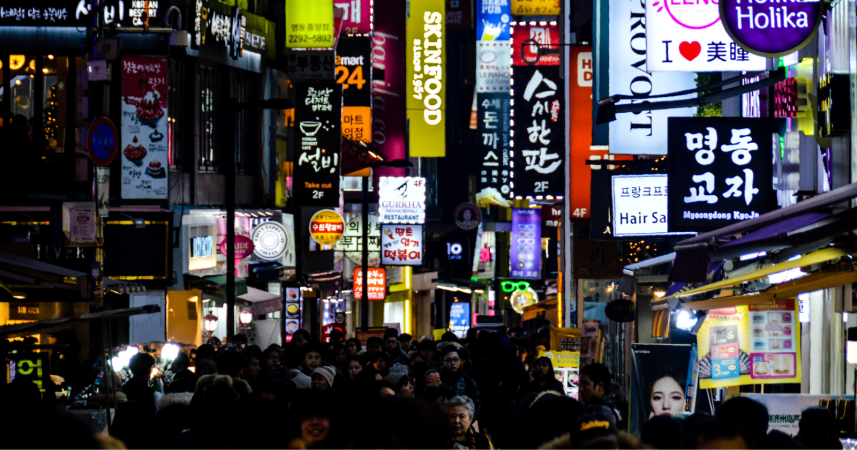
Quit my remote job, sublet the apartment, fly 5,700 miles, and land in a city where neon nights meet palaces older than my passport. I pictured K-drama sidewalks, 24-hour cafés, maybe finding fluency by osmosis.
Instagram egged me on: pastel Han River sunsets, subway ads of impossibly perfect idols, street food dripping with gochujang. What could go wrong?
Turns out, plenty—if you stay long enough to peel back the glossy filter. I lasted exactly six months, from cherry-blossom bloom to the first bite of winter. In that time, Seoul taught me that every dreamscape has shadows. Here are the parts nobody posts—at least, not in English.
The visa hamster wheel is real
Reality check: unless you’re on a corporate transfer or a student visa, staying legally in Korea is paperwork purgatory.
I arrived on a 90-day tourist stamp, thinking I’d sort the rest on the ground. Spoiler: the ground is lava. Overstaying risks fines and deportation; leaving every three months drains savings and resets your phone plan, bank account, and sense of belonging.
I ended up stringing together language-school enrollment (D-4 visa) just to buy time. Tuition? Two grand. Health check? Another two hundred. Immigration office? A four-hour wait sandwiched between weary English teachers and hopeful crypto traders. All before I’d tasted the legendary convenience-store sausage.
The rent will humble you
Yes, you can find cheap kimbap. No, you will not find cheap housing—unless you redefine “room.”
Most landlords require jeonse (an upfront deposit equal to 50–80% of the apartment’s value) or wolse (a smaller deposit plus monthly rent far steeper than Craigslist ever warned you). As a foreigner with no local credit history, I had two options:
-
Goshiwon: a windowless cell roughly the size of a yoga mat, shared kitchen, paper-thin walls, $400–$600 a month.
-
Office-tel studio: 20 square meters, washer under the sink, shower over the toilet, $800–$1,200 plus utilities.
I chose the office-tel. By month three my savings account looked like it had signed up for a juice cleanse—rapidly shrinking, mildly alarming, vaguely green.
Hustle culture makes New York look chill
Seoul doesn’t sleep; it power-naps with one eye open. Workdays officially end around 6 p.m., but nobody dares leave before the boss. After-hours hoesik (team dinners) are mandatory social glue—multiple rounds of barbecue, soju, and noraebang that can stretch past midnight.
As a freelancer, I thought I’d be immune. Wrong. Clients expected instant replies regardless of time zone. I’d get 11 p.m. KakaoTalk pings asking for “quick tweaks” before morning. Declining felt career-suicidal in a city where “빨리빨리” (“fast fast”) is a cultural commandment.
There’s pride in the grind, but it comes with dark circles and a Drip-Bag coffee addiction.
Yellow dust season is a lung tax
Spring: cherry blossoms bloom—and so does fine dust from China’s Gobi Desert. AQI scores spike into the “unhealthy” zone. Locals strap on KF94 masks (pre-COVID trendsetters) and track air apps like stock tickers.
I tried jogging along the Han one April afternoon. Ten minutes in, my throat felt like sandpaper. By the third coughing fit, I understood why indoor treadmills are everywhere.
The tourist brochures show pastel petals; they leave out the hazy filter that turns sunsets into blurred sepia some days. Bring an inhaler or lower your cardio expectations.
Beauty standards are a pressure cooker
K-beauty blogs gush about glass skin. What they skip is the underlying message: if your pores aren’t invisible, you’re doing life wrong.
Subway ads promote jawline surgery, eyelid lifts, and body sculpting clinics like they’re selling cupcakes. Friends casually discuss getting fillers the way I talk about buying more oat milk. Even guys stress about “small face” proportions and bulking their calves to fit skinny jeans.
I went in confident about my self-image. Six months later, I’d bought snail mucin, two-tone contact lenses, and a membership to a pilates studio that resembled a K-pop training camp. Self-improvement or self-erasure? Still deciding.
English won’t save you—context will
Seoul signage is bilingual, but nuance lives in the gaps. Early on, I ordered an-ju (drinking snacks) at a bar and accidentally asked for anju (a type of dog). The waiter blinked, then politely handed me a picture menu like I was five.
Google Translate helps, but it murders slang. Try deciphering a landlord’s text about utility fees—one missed honorific and you’ll sound rude or clueless. It’s humbling, and occasionally hilarious, but never effortless.
Dive into language classes early or prepare for daily charades.
Mental health still hides behind frosted glass
Therapy isn’t taboo per se, but it’s definitely not brag-worthy. Most expats I met struggled quietly—culture shock, job stress, loneliness—but local counseling services were scarce or pricey.
I found one English-speaking therapist in Itaewon charging $150 a session. Worth it, but unsustainable. Meanwhile, antidepressants require psychiatric visits and can cost triple U.S. copays.
It’s changing—apps and hotlines exist—but the “fight through it” mentality still reigns. If you’re prone to anxiety, pack coping tools along with your universal adaptor.
Friendships form fast—and evaporate faster
The expat churn is real. English teachers finish contracts, digital nomads pivot to Chiang Mai, military tours rotate out. You bond over soju towers, promise weekend hikes, then someone’s visa ends and the group chat goes silent.
Even among locals, social circles can feel programmed: school friends, army buddies, company teams. Breaking in takes persistence and language skill. I got closest to a ahjussi who ran the corner kimbap shop; our bond was built on dumpling recommendations and shared disdain for humidity.
Prepare for goodbyes. Often.
Cafés are Instagram gold—but productivity traps
Seoul boasts the highest café density I’ve ever seen—rooftop roasteries, cat lounges, BTS-themed pop-ups. But outlets are scarce, Wi-Fi varies, and two lattes an afternoon will terrorize your budget.
I learned to scout half-hidden study cafés: pay $5 entry, get bottomless coffee, stable internet, timed seating. Still, the pressure to post aesthetic flat-lays can distract from actual work. I spent more minutes staging croissant photos than editing client drafts some days.
If you crave deep focus, skip the latte art and find a public library—90% less cute, 100% more plug sockets.
Leaving felt like exhaling—and mourning
When my flight home lifted off, relief washed over me: no more visa anxiety, no more 3 a.m. client pings, no more neon glare frying my retinas at every corner.
But at baggage claim in LAX, I missed it instantly: the hum of convenience, the late-night tteokbokki runs, the thrill of decoding Hangul signs, the knowing grin of a barista who remembered my name (and skincare goals).
Seoul is a paradox—seductive and punishing, efficient and exhausting. It’s a city that dares you to keep up, then scolds you for stumbling. And if you last long enough, it brands your memory with electric possibility.
Just don’t believe every pastel filter you see online. Real Seoul is messier. Louder. Pricier. And, somehow, still worth knowing—if you walk in with eyes open and ego on airplane mode.
What’s Your Plant-Powered Archetype?
Ever wonder what your everyday habits say about your deeper purpose—and how they ripple out to impact the planet?
This 90-second quiz reveals the plant-powered role you’re here to play, and the tiny shift that makes it even more powerful.
12 fun questions. Instant results. Surprisingly accurate.