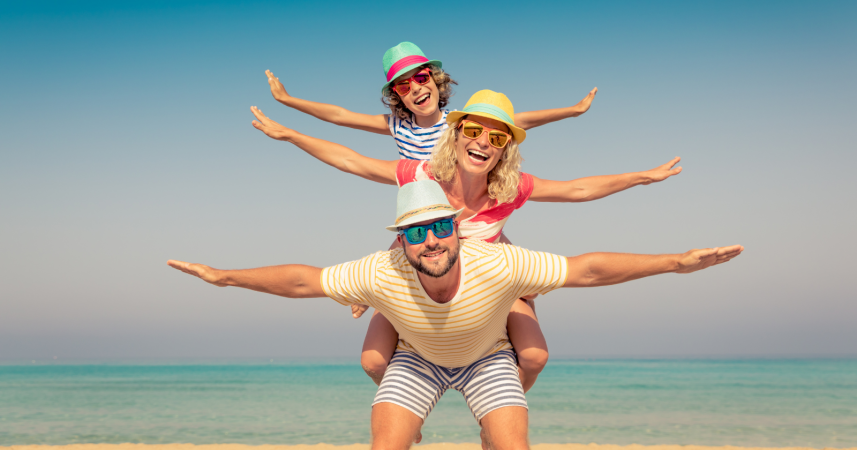
We photograph what feels special to us—and for middle-class families on vacation, that's often pretty much everything
I was sorting through photos from a trip to Thailand last year when it hit me. I had three hundred pictures on my phone, and my partner had maybe twenty. Same trip, same experiences, completely different approach to capturing them.
That difference got me thinking about how we photograph vacations. Not just personally, but across different social classes. There's a fascinating psychology behind what we choose to document and what we let pass by unrecorded.
After spending years photographing everything from indie bands in dingy LA clubs to farmers market produce for Instagram, I've developed a pretty keen eye for patterns. And here's what I've noticed: the things middle-class families meticulously photograph on vacation often go completely unnoticed by wealthy travelers.
It's not about judgment. It's about what needs proving.
1) Hotel room interiors
Walk into any mid-range hotel and you'll see families photographing everything. The bed setup. The bathroom with its fancy fixtures. That little coffee station with the individually wrapped biscuits.
I've done this myself. Stayed at a boutique hotel in Portland and spent ten minutes getting the perfect shot of the room before we'd even unpacked.
Wealthy travelers? They barely glance at their accommodations. When you've stayed in dozens of high-end hotels, the thread count stops being noteworthy. The room is just where you sleep, not an achievement worth documenting.
The middle class photographs hotel rooms because staying there feels like an upgrade. It's proof that we made it somewhere special, even if just for a few nights. Those photos say "look where we stayed" because where we stayed matters to our sense of accomplishment.
2) Lobby areas and resort entrances
That grand entrance. The fountain. The logo on the wall. The marble floors in the reception area.
Middle-class families line up to get shots with these architectural features in the background. I've seen entire photo sessions happen in hotel lobbies, complete with outfit changes and multiple angles.
For wealthy travelers, lobbies are just transitional spaces. They're where you walk through to get somewhere else. The idea of stopping to photograph them would seem as odd as taking pictures of an airport corridor.
When you're paying a premium to stay somewhere, the lobby validates the expense. It becomes evidence that the money was well spent, that this place was worth it. The photo serves as both memory and justification.
3) Buffet spreads and complimentary breakfast setups
The breakfast buffet gets documented like it's an art installation. Wide shots of the entire spread. Close-ups of specific dishes. That fresh juice station. The waffle maker.
I once spent five minutes at a hotel in Bali photographing the tropical fruit display before remembering I was actually there to eat breakfast.
Wealthy travelers treat hotel breakfast like any other meal. They might enjoy it, but they won't photograph it. Free breakfast isn't a special perk when you're used to choosing where and what you eat regardless of cost.
The psychology here is pretty transparent. We photograph abundant food because abundance feels special. That overflowing buffet represents value, variety, and a break from our normal routines. The photo captures not just food, but the feeling of having access to more than usual.
4) Poolside loungers and beach setup
The empty lounger with your towel artfully draped. Your book and sunglasses positioned just so. That tropical drink on the side table with the ocean in the background.
These staged shots dominate middle-class vacation albums. We're not just photographing a chair, we're photographing the lifestyle we've temporarily accessed.
Affluent travelers rarely document their beach setup. They're too busy actually using it. When poolside lounging is a regular occurrence, not a rare luxury, the novelty disappears. The chair is just where you sit, not a symbol of vacation success.
I've noticed this in my own photography habits. The first time I could afford a beachfront hotel, I photographed everything. The tenth time? I barely took out my camera.
5) Airplane meals and in-flight entertainment screens
Economy passengers photograph their meal trays with surprising dedication. That little bread roll. The mysterious main course. The dessert in its own compartment.
Business and first-class travelers might photograph an exceptional meal, but even then, it's rare. When you fly frequently in premium cabins, airplane food loses its documentary appeal.
I've mentioned this before but the meals we photograph reveal what feels unusual in our lives. That airline tray represents a break from normal eating patterns. It's feeding at 35,000 feet, which most of us don't do every week. The photo captures the novelty of the experience itself.
The same goes for entertainment screens. Middle-class travelers photograph the movie selection or the flight map showing their progress. It's part of the journey narrative. Frequent flyers barely glance at these features.
6) Posed family shots at every landmark
The classic "everyone line up in front of the monument" photo. Same pose, different background. Repeat at every stop on the itinerary.
Middle-class families collect these like trading cards. We need proof that everyone was there, that we saw the thing, that the trip happened. Each landmark becomes a backdrop for group verification.
Wealthy families still take photos together, but they're more likely to be candid moments or artfully composed shots. They're documenting experience and emotion, not checking attractions off a list.
The difference comes down to urgency. When vacations are rare, you need evidence of each moment. When travel is frequent, you can relax into the experience without needing to prove you were there.
My nephew's birthday party photos tell this story perfectly. His parents (my brother and sister-in-law) documented every single moment. My grandmother, who's traveled extensively, barely took out her phone. She was too busy actually engaging with the kids.
7) Souvenirs before purchasing them
Browse any tourist shop and you'll see middle-class shoppers photographing items. T-shirts. Magnets. Local crafts. They're either sending photos home for approval or creating a record of what they almost bought.
Wealthy shoppers buy what they want without the photographic consultation process. The purchase doesn't require documentation or justification. If they want it, they get it. If not, they move on.
This habit reveals our relationship with spending. When money is tight, even small purchases require consideration. The photo becomes part of the decision-making process. It's a way of including absent family members or creating a record for later justification.
I do this constantly. I'll photograph something interesting at a farmers market, send it to my partner, and wait for their input before buying. It's not that I can't make the decision alone, but the shared decision-making feels more responsible.
8) Restaurant exteriors and menu boards
Before entering any restaurant, middle-class diners often photograph the exterior. The name. The menu board out front. Sometimes even the prices.
This serves multiple purposes. It's a recommendation system for friends back home. It's evidence of where we ate. And sometimes, it's justification for the expense.
Affluent diners rarely photograph restaurant exteriors. They might photograph an exceptional dish, but the building itself holds no documentary value. Where they ate doesn't need proving.
As someone who reviews vegan restaurants occasionally, I've noticed how this habit has intensified with social media. We're not just remembering where we ate, we're creating content. Every restaurant becomes a potential post, every meal a shareable moment.
9) Rental car interiors and upgrades
Got an unexpected upgrade to an SUV? That's getting photographed. Rented something with fancy features? Dashboard shot. Nice interior? Wide angle from the back seat.
Middle-class travelers document their rental cars like they're test-driving for purchase. The car becomes part of the vacation story, especially if it's nicer than what we drive daily.
Wealthy travelers view rental cars as pure utility. It's transportation from point A to point B. The model barely matters unless they're specifically doing a driving holiday. The car isn't an experience worth capturing because nice cars aren't unusual in their lives.
I rented a Tesla for a weekend trip up the coast and took probably thirty photos of it. My partner, who grew up with more privilege, took zero. Same car, different significance.
The bottom line
Our vacation photography habits reveal more than just what we saw. They expose what feels special to us, what needs proving, and what represents temporary access to a different lifestyle.
Middle-class families photograph abundantly because vacations are rare intervals of luxury. Each photo is evidence that we made it somewhere, did something, experienced beyond our daily reality. We're documenting not just sights, but achievement.
Wealthy travelers photograph selectively because travel isn't rare. They can afford to be present without constant documentation. They're not proving anything because their access to these experiences is assumed.
Neither approach is wrong. They're just different responses to different circumstances.
The interesting part? As you become more experienced with travel, your photography habits shift. You stop documenting every meal, every room, every moment. You become more selective, more present, more confident that the experience itself is enough without the proof.
Maybe that's the real marker of travel privilege. Not how much you spend, but how little you need to document.
What’s Your Plant-Powered Archetype?
Ever wonder what your everyday habits say about your deeper purpose—and how they ripple out to impact the planet?
This 90-second quiz reveals the plant-powered role you’re here to play, and the tiny shift that makes it even more powerful.
12 fun questions. Instant results. Surprisingly accurate.