Turn any city into your pantry—pick plant-first neighborhoods, map your eats, pack a pocket pantry, and order like a local (no sad salads required).
A great plant-based trip doesn’t happen by accident.
It’s built by a few simple decisions you line up before hunger hits, before you land at midnight, and definitely before you find yourself decoding a menu under a heat lamp. The good news: once you dial in a system, you can drop it on any city and eat like you live there.
Here’s the playbook I use when I travel plant-based—equal parts practical and joyful.
1. Pick plant-first destinations
You don’t need a “vegan city” to eat well, but starting in plant-forward places stacks the deck in your favor.
Think cities with strong markets and immigrant neighborhoods. Lisbon, Taipei, Berlin, Mexico City, and Bali punch way above their weight for vegetables, grains, and legume-rich dishes. Smaller towns with university vibes also tend to surprise.
Ask yourself two questions: Do locals eat lots of plants anyway? Can I walk to good food from where I’m staying? If both are yes, book it.
2. Build a custom map before you land
Open Google Maps, create a new list, and add every plant-friendly spot you find—restaurants, bakeries, markets, food stalls, even a grocery with a decent produce section.
Drop pins near your hotel and near the big sights you’ll visit. That way, when hunger hits at 2:15 p.m., you’re not scrolling reviews with low blood sugar. You’re choosing between three good options you saved on purpose.
I add one “emergency” pin that’s open late. You won’t always use it. You’ll be grateful when you do.
3. Book a place with a kitchen
A tiny kitchenette changes everything.
Over breakfast, you can eat oatmeal with fruit, toast with avocado, tofu scramble, or a simple smoothie. At night, you can assemble a no-cook dinner if plans shift. Even one hot plate lets you steam veggies, warm beans, or make pasta with olive oil, garlic, and tomatoes.
A kitchen doesn’t kill the “I’m on vacation” mood. It rescues you from the “I guess I’ll eat chips for dinner” mood.
4. Master the menu scan
You want fast pattern recognition.
My scan goes like this: sides, salads, vegetable mains, grain bowls, “accidentally vegan” regional dishes. Then I look for swappable components—roasted vegetables, grains, legumes, sauces. If a dish is 80% there, ask to swap the dairy or meat element for another listed ingredient.
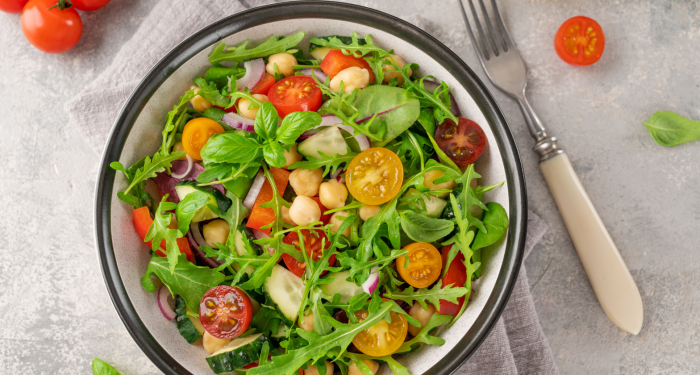
A line I use a lot: “Could I have the roasted veg plate with extra chickpeas and no feta?” Friendly, specific, and it shows you’ve read the menu.
5. Learn five phrases in the local language
You don’t have to be fluent. You do have to be clear.
Learn how to say: “I don’t eat meat,” “I don’t eat dairy,” “I eat only plant-based,” “no fish sauce,” and “thank you.” If you’re in a place where “vegetarian” includes fish or broth, clarify. I also keep a photo card on my phone with icons for milk, eggs, fish, and meat crossed out—visuals beat accents.
As noted by every experienced traveler ever, a kind attempt in the local language buys a lot of goodwill.
6. Treat breakfast like a foundation
Breakfast sets the tone.
I aim for fiber, protein, and color. Fruit, whole grains, nuts or seeds, and a protein anchor like tofu, soy yogurt, beans, or nut butter. When breakfast is balanced, I make better choices all day and don’t panic-order fries at 4 p.m. because I skipped real food at 9.
If your hotel buffet is a pastry parade, assemble a plate from the produce, toast, tomatoes, cucumbers, olives, beans, and oats you can find. It’s not about perfect. It’s about steady energy.
7. Carry a pocket pantry
Tiny kit, huge payoff.
I travel with a collapsible container, a fork-spoon combo, a mini salt-and-chili shaker, a snack bar, and a small zip of nuts and dried fruit. Toss in tea bags if you’re picky. This solves train delays, closed kitchens, and the “we have one veg option but it’s tiny” problem.
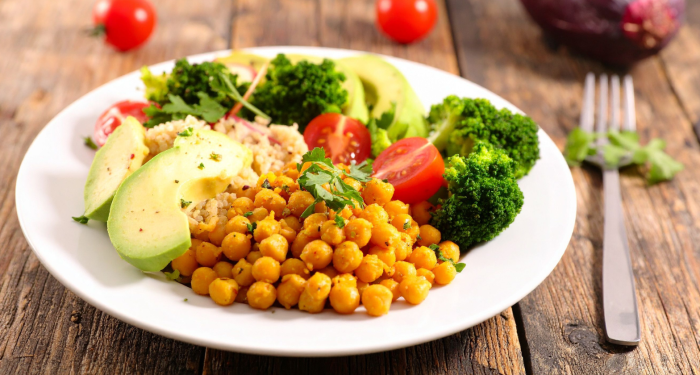
I’ve mentioned this before but packing a simple protein topper—roasted chickpeas or a single-serve nut butter—turns a side salad into actual lunch.
8. Make street food work for you
Street food is where flavor lives. You just need a strategy.
Watch for vendors making things in front of you so you can ask for tweaks. Look for dishes built from grains and legumes—arepas, falafel, chana chaat, veggie tacos, hand-pulled noodles, socca, jianbing without egg. Ask for “no cheese, no mayo, extra veg” like it’s the most normal thing in the world.
My rule: if a line of locals trusts a stand, and you can see the ingredients, you’ll probably eat well.
9. Use markets as your anchor
Markets are the heartbeat of a plant-based trip.
Go early. Walk every aisle. Buy a small amount of whatever looks alive—stone fruit, greens, tomatoes, bread, olives, roasted nuts. Ask vendors how they cook things. People light up when you’re curious about their food, not just taking photos of it.
Picnics are the plant-based traveler’s cheat code. Bread, spreads, fruit, cut veg, something pickled, a park bench. Ten euros. Ten out of ten.
10. Plan one intentional splurge
Yes, we love budget wins. But plan one high-note meal where you book ahead and let a great kitchen cook plants at their best.
I look for spots where vegetables aren’t the afterthought. It might be a fully vegan restaurant or a chef-led place known for seasonal produce. Ask the kitchen to build you a plant-based tasting—even if it’s off-menu. The worst they can say is no. The best is “we’ve been waiting for someoxxxxxxxne to ask.”
11. Communicate boundaries with grace
You’ll eat with people who don’t eat like you. That’s okay.
Lead with what you can do. “I’m plant-based, so I’ll order my thing, but I’m here for the hang.” Ask for a shared table plan that works for everyone. If someone offers you something that doesn’t fit, decline with a smile and don’t sermonize.
You’re an ambassador whether you like it or not. Make it easy for future plant-based travelers by being kind now.
12. Think protein without obsessing
You don’t need a spreadsheet. You do need a rhythm.
I aim to anchor two meals a day with a visible protein source—beans, lentils, tofu, tempeh, soy yogurt, seitan, or a hearty seed-and-nut combo. Add whole grains and veggies and you’re 90% there.
13. Fly smarter
Airports and planes are where plant-based plans go to die. Prepare accordingly.
Request a special meal when you book, but pack food like it won’t show up. I bring a sandwich, cut fruit, carrot sticks, nuts, and something treat-y. In terminals, look for burrito bars (beans, rice, veg), build-your-salad counters, or Mediterranean spots with hummus and pita.
Hydrate. Walk. Eat before you’re ravenous. Future-you will land less grumpy.
14. Treat restaurants like collaborators
Most kitchens enjoy solving a puzzle if you keep it simple and appreciative.
Use the menu as your parts list and ask for a clean swap or two. Offer constraints, not a manifesto. “No dairy, no meat, happy to eat olive oil, any vegetables you have—could you put together a plate?” Thank the server. Tip like you mean it. Tell the manager it was great. You just trained that restaurant to be more plant-friendly for the next traveler.
15. Pack recovery rituals
Travel is fun. Travel is also tiring. When you’re tired, you default to convenience. Build rituals that refill you so you can choose better food.
My kit: magnesium for sleep, a short stretch video downloaded offline, comfortable shoes, and one non-negotiable movement habit like a 20-minute morning walk. When your body is steady, your food choices follow.
16. Leave room for serendipity
Yes, plan. Also, let the city feed you.
Some of my best plant-based meals were accidents—stumbling into a neighborhood festival where grandmothers were ladling bean stew, finding a bakery with olive oil focaccia warm from the oven, following a produce truck’s bell into an alley.
Mark Twain wrote, “Travel is fatal to prejudice, bigotry, and narrow-mindedness.” It’s also fatal to boring salads if you stay curious.
One tiny itinerary you can steal
Morning market run for fruit and bread.
Late-morning coffee near a museum, plus a snack from your pocket pantry.
Lunch at a street food stall with a line of locals.
Afternoon break back at your place—stretch, nap, fruit.
Early dinner at a spot from your map, made plant-rich with one or two kind swaps.
Walk home through a different route so you can “accidentally” find tomorrow’s breakfast.
You’ll spend less than you think, feel better than you expect, and collect a little library of meals you actually want to remember.
The bottom line
A plant-based vacation isn’t about perfection. It’s about building a flexible system that turns any city into your pantry. Choose a plant-forward destination. Map your options. Book a kitchen. Learn five phrases. Pack a pocket pantry. Treat restaurants like collaborators. Then wander with your eyes open.
Do that, and you won’t be “the vegan who struggles when traveling.” You’ll be the traveler who eats like a local, feels good, and brings home stories—and recipes—you actually want to keep.
If You Were a Healing Herb, Which Would You Be?
Each herb holds a unique kind of magic — soothing, awakening, grounding, or clarifying.
This 9-question quiz reveals the healing plant that mirrors your energy right now and what it says about your natural rhythm.
✨ Instant results. Deeply insightful.