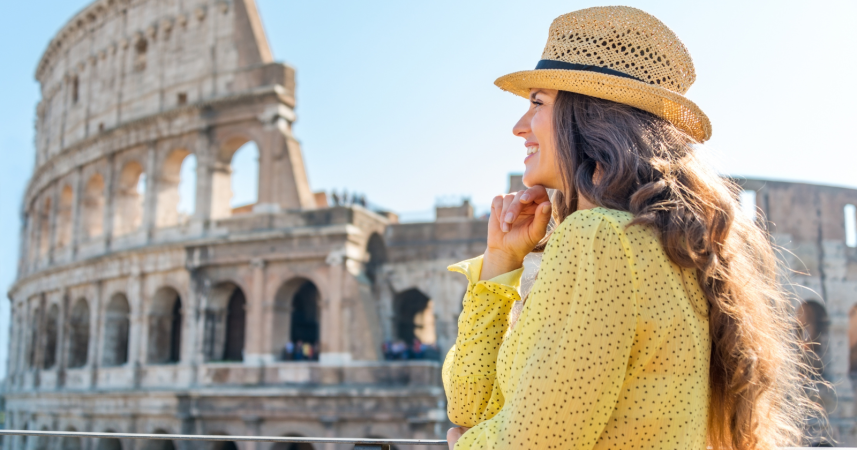
Traveling through Italy taught me that some cities only shine if you have the money or local connections to experience them properly. Without that, places like Milan, Venice, or Positano can feel more exhausting than enchanting, leaving you stuck in tourist zones instead of discovering the real soul of the city.
Some cities look like pure magic in photos, and that’s exactly why so many of us get blindsided when we finally visit them.
We expect romance, flavor, beauty, and effortless charm, only to discover that a lot of these places operate on unspoken social codes, insider networks, and price tags that quietly assume you’re carrying an Amex Platinum.
After traveling through Italy in my twenties when I could barely afford an extra appetizer and then returning years later with more money and more experience in hospitality, I started noticing a pattern.
Certain cities aren’t “bad” or “disappointing,” they’re just designed for people who already understand the culture or can afford to buy their way past the tourist surface.
It doesn’t mean you shouldn’t visit them. It just means you should know what you’re stepping into.
Here are seven Italian cities that only live up to the hype if you’ve got the budget or the connections to experience them the way they’re meant to be experienced.
1) Milan
Milan is the friend who always looks flawless on Instagram but takes two hours to get ready and won’t admit it.
It’s polished, chic, and full of gorgeous people who somehow drink espresso as if it’s a competitive sport.
But Milan isn’t a casual city. It’s fueled by fashion, finance, design, and people who wear custom leather shoes without thinking twice.
If you show up expecting Florence-level charm or Rome’s historical drama, you’re going to wonder why your cocktail costs the same as your hotel room.
When I visited in my early twenties, I tried a “recommended” restaurant in Brera and walked out slightly traumatized by the bill.
The risotto was good, yes, but not “there goes my food budget for two days” good.
On later trips, I visited with friends who worked in hospitality, and suddenly Milan made sense.
They took me to restaurants with no website, no obvious signage, and no English menu, and I had some of the best meals of my life for half the price.
Milan isn’t overrated. It’s just a city that rewards either local knowledge or the ability to pay your way into the right rooms.
2) Florence
Florence is breathtaking if you can dodge the crowds long enough to actually breathe.
The problem is that most visitors never see the quieter, deeper, more delicious version of the city because they get stuck in the tourist loop of long lines and expensive cafés.
Florence has a rhythm, and it’s slow, intentional, and tied to tradition.
But you only feel that rhythm when you eat where locals eat and wander outside the popular areas where gelato runs €10 a scoop, and the menus all look the same.
The best meal I ever had in Florence was at a tiny trattoria that I would’ve walked right past if I didn’t have a chef friend who lived nearby.
He knew the owners, and they treated him like family, which meant they treated me like family too.
The pappardelle tasted like it had been cut by hand five minutes before landing on the plate, and the wine was poured like they were trying to make me part of the heritage.
When I tried to return alone a year later, I couldn’t even get a reservation.
The place wasn’t listed anywhere, and the owners pretended they were fully booked before I finished my sentence.
Florence isn’t overrated, but the version most tourists experience definitely is.
If you want the real thing, you need someone to open the door for you, or you need the budget to experiment until you stumble onto something that isn’t in a guidebook.
3) Portofino
Portofino is stunning in a way that almost feels fake.
It’s a postcard come to life, the kind of place where the buildings look like they were painted at golden hour and the ocean is somehow always the right shade of impossible blue.
But Portofino is also unapologetically built for people who don’t check price tags. Everything is expensive, including things that shouldn’t be expensive.
Even ordering a simple espresso by the harbor can make you wonder whether the beans were handpicked by angels.
There’s no budget-friendly version of Portofino. There’s only “I accept that this cappuccino costs the same as a train ticket” and “I’m just happy to be here.”
The people who truly enjoy Portofino are usually traveling by yacht or staying in places with private docks and personalized concierge service.
I once visited during a solo trip and spent most of the afternoon watching wealthy families glide through the town like they were floating.
I admired them the way you admire birds migrating overhead. Beautiful, sure, but clearly living in a different dimension.
If you can afford the full experience, Portofino is paradise.
If not, it’s a gorgeous place to spend a few hours, take some pictures, and question every financial decision you’ve made in the last year.
4) Venice
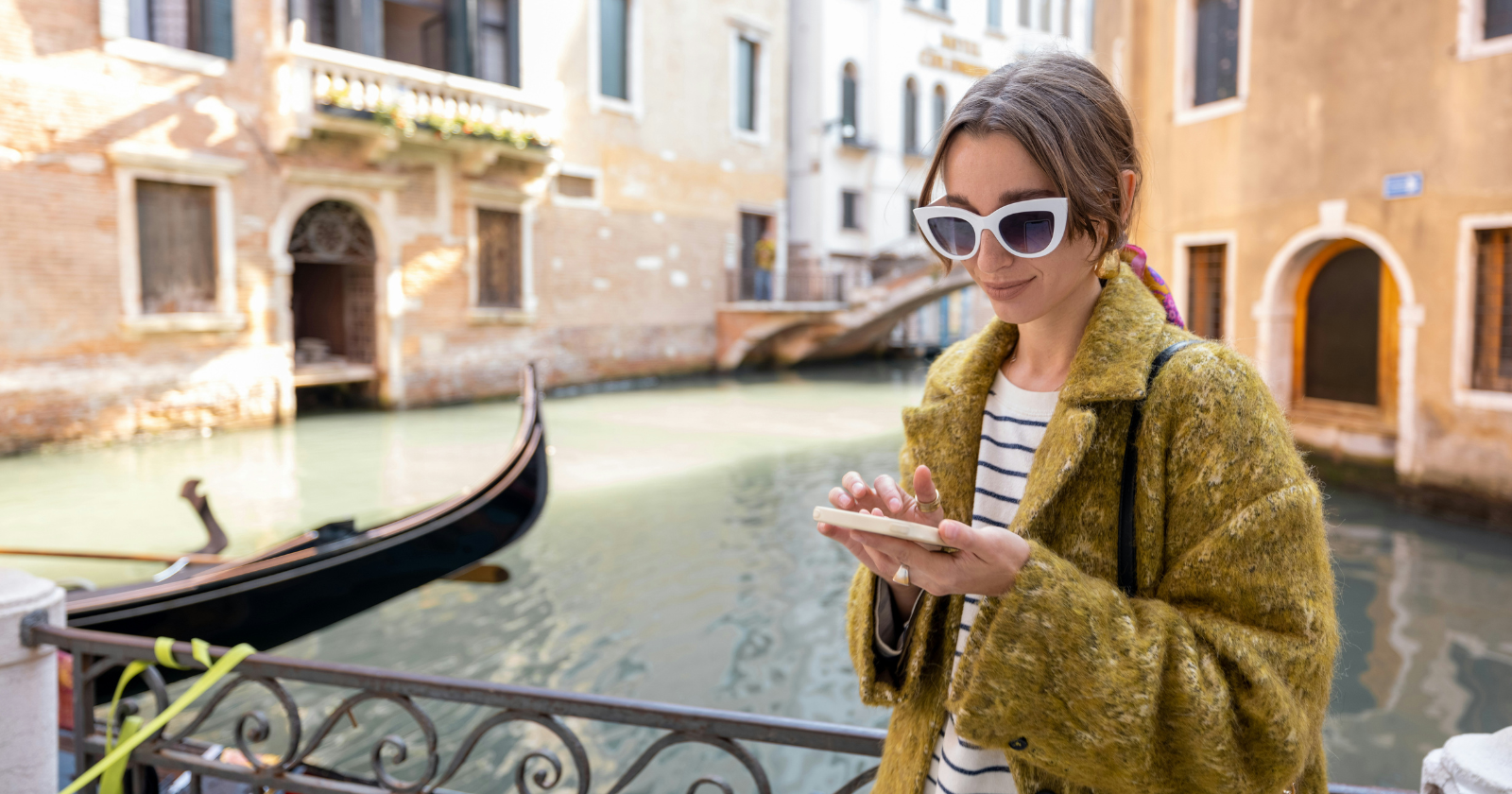
Venice is one of the most beautiful cities in the world, but it’s also one of the easiest to experience poorly.
If you stay on the main pathways, you’ll spend your entire day dodging tour groups, eating overpriced pasta, and wondering why you can’t find a quiet corner anywhere.
Venice is not a city for the casual wanderer. It’s a maze, and unless you know which turns to take, the experience can get overwhelming fast.
The city has an incredible food culture, but most visitors never taste it because they stick to the areas closest to the major attractions.
On my first trip, I made that mistake and ended up eating a very sad plate of spaghetti that tasted like it came from a cafeteria.
On later trips, when I stayed away from the crowded squares and ventured deeper into residential neighborhoods, the city opened up in the best possible way.
You get seafood that was caught that morning. You get wines that never leave the region.
You get trattorias where the chef waves at every person who walks through the door because they’ve all been coming there for decades.
Venice is extraordinary if you know where to go or if you have the budget to explore farther from the crowds.
Without that, it becomes a beautiful but exhausting obstacle course.
5) Positano
Positano is the definition of “Instagram vs reality.” The photos are perfect. The reality is a workout.
Everything is on an incline, everything is crowded, and everything costs a little more than feels reasonable.
It’s a destination for people who are comfortable climbing stairs, heat, and competition for the best views.
The beaches are tiny, the restaurants are packed, and the hotels range from “eye-watering” to “I’m selling a kidney.”
When I visited during high season, every step felt like a fitness challenge.
You hike up and down steep pathways all day, and by dinner, you’re wondering why no one warned you to train for this trip like a marathon.
But when you have the money to stay in the nicer hotels or take private boats along the coast, Positano transforms.
Suddenly, the crowds are a distant memory, and the city’s beauty becomes the primary experience instead of the uphill battle to reach it.
For most travelers, Positano is beautiful but draining.
If you want the postcard version, you need either a generous budget or a local friend who knows how to navigate the chaos.
6) Capri
Capri looks like a dream, and it can be, but only if you know the trick to accessing its quieter, more exclusive corners.
Most tourists never do. They stay near the busy port, eat average food at marked-up prices, and wonder why everyone raves about the island.
But Capri isn’t meant to be experienced that way.
The island is built around private beach clubs, elegant hotels, hidden coves, and restaurants that treat you like a regular, only if you’re actually a regular.
I once read that Capri isn’t expensive, it’s just Capri, and after visiting a few times I fully understand what that means.
The island has a specific rhythm, and it caters to a particular kind of traveler.
If you’re not in that category, you end up paying a lot for experiences that aren’t even the best the island has to offer.
With the right connections, Capri is paradise. Without them, it’s a long line for the funicular followed by mediocre pasta.
7) Lake Como
Lake Como is hypnotic. The still water, the mountain backdrop, the villas that look like movie sets, it all gives off an energy that’s both quiet and luxurious.
But here’s the thing. Como’s most iconic experiences exist behind gates, docks, and hotel reservations with many zeroes at the end.
The average visitor still gets beauty, but they don’t get the full enchantment unless they’re staying in the higher-end properties or know someone who can introduce them to the right places.
When I visited with a friend in luxury hospitality, we were welcomed into spaces I would never have found alone.
Private wine tastings, secret viewpoints, conversations with chefs who treat hospitality like an art form, it all made the lake feel surreal.
When I visited alone, the lake was still beautiful, but it was a different version entirely. More distant, more structured, more passive.
Como rewards access. Without it, you’re observing from the outside instead of participating.
The bottom line
Italy is extraordinary. The beauty, the food, the history, the culture, it all deserves celebration.
But some cities aren’t built to impress everyone equally, and that’s okay.
They’re designed around heritage, relationships, and a lifestyle that reflects the people who’ve lived there for generations.
When you visit places like these without the budget or the social connection, you might feel like you’re only seeing the surface.
But with the right expectations and a willingness to explore beyond the obvious, you can still find moments of magic everywhere.
Italy always rewards curiosity.
And sometimes the best experiences aren’t in the glamorous cities at all but in the small towns where the pasta is cheap, the pace is slow, and every meal tastes like someone’s grandmother is watching to make sure you’re enjoying it.
If You Were a Healing Herb, Which Would You Be?
Each herb holds a unique kind of magic — soothing, awakening, grounding, or clarifying.
This 9-question quiz reveals the healing plant that mirrors your energy right now and what it says about your natural rhythm.
✨ Instant results. Deeply insightful.