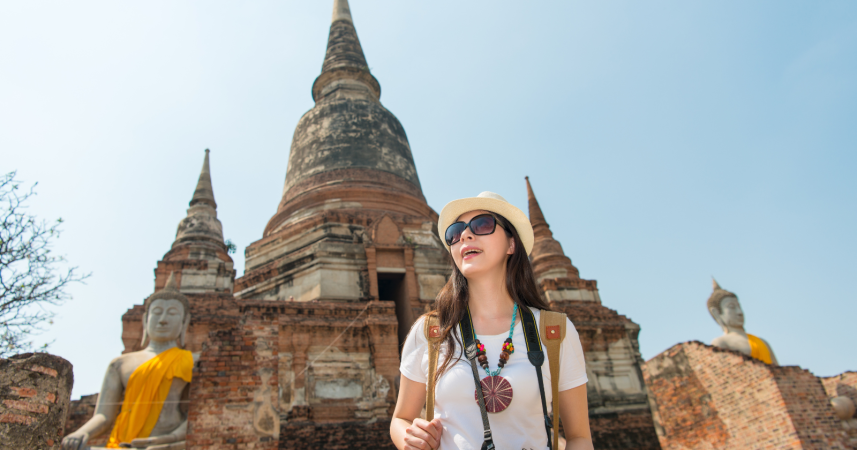
Blending in while traveling isn’t about hiding—it’s about knowing the unspoken style rules that locals follow without thinking.
When you travel, your clothes speak before you do.
I’ve learned this the hard way—standing out in a sea of locals, wondering why the stares felt just a little too long.
Sometimes it was because my sneakers screamed “American.” Other times, it was because I forgot that certain colors carry cultural weight I didn’t understand.
Blending in isn’t about pretending you’re someone else—it’s about showing respect for where you are, paying attention to the details, and making thoughtful choices.
And yes, it can completely change the way locals treat you.
Here are ten fashion rules I’ve picked up from my travels, research, and a few mistakes along the way.
1. Keep it subtle
If there’s one rule that’ll instantly help you blend in, it’s this: avoid anything overly loud or attention-grabbing.
Bold prints, neon colors, and over-the-top statement pieces might feel fun when you’re packing, but in many places, they stand out fast. Locals often lean toward understated, neutral tones and cleaner silhouettes.
I learned this in Milan. Everyone around me was wearing beautifully fitted, minimalist clothes, and there I was in a bright hoodie with a huge graphic on the front. Let’s just say I didn’t exactly disappear into the crowd at the espresso bar.
Sticking with subtle, versatile pieces makes it easier to blend with local styles—and gives you more outfit flexibility while traveling.
2. Study what locals actually wear
Here’s something I started doing after making a few early mistakes: before I pack, I spend five minutes looking up photos of real locals—commuters, students, street markets, not just influencers.
This gives you a quick snapshot of silhouettes, fabrics, and colors that are common in the place you’re visiting. It’s not about copying exactly; it’s about understanding what’s considered “normal” there.
In Tokyo, for example, muted tones dominate. In Mexico City, bold patterns are more common. Matching your vibe to the cultural rhythm helps you slip under the radar and often makes interactions smoother.
3. Pick one neutral palette and stick to it
When in doubt, go neutral. Black, white, beige, navy, and olive—these colors are universal and flexible.
A neutral palette does two things: it helps you blend in, and it keeps your outfits interchangeable so you can pack lighter. That’s especially helpful if you’re hitting multiple countries in one trip.
I’ve started building what I call a “travel capsule wardrobe.” A couple of shirts, two bottoms, a jacket, and one pair of shoes that can work anywhere. It’s simplified my packing and made me feel less like a walking travel blog ad.
4. Focus on fit over fashion
This one is universal: locals notice fit before they notice trends.
I’ve been guilty of grabbing oversized tees and baggy shorts for “comfort,” only to realize I stuck out like a sore thumb in cities where people dress more tailored, even casually.
A slim-fit button-up can make you look instantly more intentional without feeling overdressed.
The psychology behind it is fascinating. Well-fitted clothing signals confidence and self-awareness. As the American Confidence Institute notes, “Confidence is the best outfit. Feeling comfortable in your own skin at any age makes you appear more attractive.”
Blending in often starts with blending well with yourself.
5. Respect cultural dress codes
Some rules are deeper than style—they’re about respect.
In many religious or conservative countries, covering your shoulders, knees, or even your hair might be expected. Ignoring these norms can draw unwanted attention and, in some cases, cause offense.
When I visited Istanbul, I packed a lightweight scarf because I knew I’d be entering mosques. It was simple, respectful, and honestly made me feel more connected to the place.
Do a quick search before you travel. Five minutes of prep can save you a lot of awkwardness—and sometimes, fines.
6. Invest in one “elevated” piece
Every country has occasions where being slightly overdressed is better than being underdressed—a dinner reservation, a temple visit, a local gathering.
That’s why I always pack one versatile “elevated” item: a blazer, a sleek dress shirt, or a simple dress if that’s your style.
The key is subtle sophistication. Think clean lines and timeless textures, not flashy trends.
This connects to a bigger shift happening worldwide. As noted by Allure, “societal perceptions of aging are evolving: more representation of older models in media is helping redefine beauty at every age.”
The same applies to fashion when traveling—elevated doesn’t mean stiff or outdated; it means dressing with intention, regardless of age.
7. Pay attention to your shoes
If you want to know who’s a tourist, look down.
In most countries, shoes signal more than you think. In Europe, locals rarely wear giant athletic sneakers unless they’re actually working out.
In Southeast Asia, easy slip-on sandals work better because you’ll often need to take them off before entering homes or temples.
I used to travel everywhere in chunky running shoes until I realized they made me stand out instantly in places like Paris or Copenhagen. Now I rotate between sleek, neutral sneakers and minimalist loafers—they work with almost anything.
8. Blend textures, not just colors
Blending in isn’t only about what shades you wear—it’s about fabric choices too.
Heavy fleece, thick down jackets, or cargo shorts scream “I’m not from here” if locals are wearing linen, cotton, or wool blends. Matching the texture of local outfits helps you look naturally aligned with the environment.
For example, in Thailand’s humidity, locals favor lightweight, breathable fabrics. In Copenhagen’s winter, muted wool and sleek rainproof jackets are everywhere.
Observing texture cues matters just as much as style.
9. Use accessories strategically
Accessories can either make you stand out—or help you fit right in.
Think sunglasses, hats, scarves, or even tote bags. A well-chosen local-style accessory can instantly ground your outfit in the culture you’re in.
But loud patterns, giant backpacks, or flashy jewelry often have the opposite effect.
One trick I’ve used: I pick up a small accessory locally on my first day. It’s not only practical but also acts as a subtle cultural bridge.
10. Authenticity beats perfection
At the end of the day, your goal isn’t to camouflage yourself into invisibility. It’s to show up as someone curious and respectful enough to learn from the culture around you.
This is where Rudá Iandê’s book, Laughing in the Face of Chaos, really shifted my perspective. He writes, “When we let go of the need to be perfect, we free ourselves to live fully—embracing the mess, complexity, and richness of a life that's delightfully real.”
Travel is unpredictable. You’re going to get some looks, misunderstand a few dress codes, and maybe clash a little with local style. That’s okay.
What matters is that you’re showing up intentionally—not trying to dominate the culture, but to experience it.
The bottom line
Travel teaches you how little control you have and how much awareness matters.
Blending in isn’t about erasing yourself—it’s about showing up prepared, paying attention, and letting respect lead your choices.
And when you do, locals tend to open doors you didn’t even know were there.
Start small: study local norms, pack versatile pieces, and leave the giant logos at home.
The rest, you’ll figure out along the way.
What’s Your Plant-Powered Archetype?
Ever wonder what your everyday habits say about your deeper purpose—and how they ripple out to impact the planet?
This 90-second quiz reveals the plant-powered role you’re here to play, and the tiny shift that makes it even more powerful.
12 fun questions. Instant results. Surprisingly accurate.