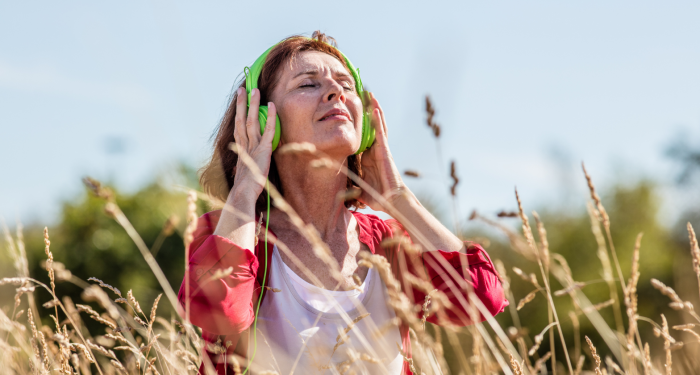
When you let your breath catch before your camera does, you’re doing it right.
We scroll, we double-tap, we save a post for “someday.”
But some places refuse to be squeezed into a square or a reel. They’re too big, too quiet, too textured. In person, they ask us to put the phone down and feel something—wind on our face, stone under our palms, music in our ribs.
Here are ten spots that (in my experience) hit harder IRL than they ever will on a screen.
And because this is VegOutMag, I’m nudging you toward a more mindful, low-impact way to be there—walking a bit more, listening a bit deeper, choosing plants when you can. That’s where the real magic lives.
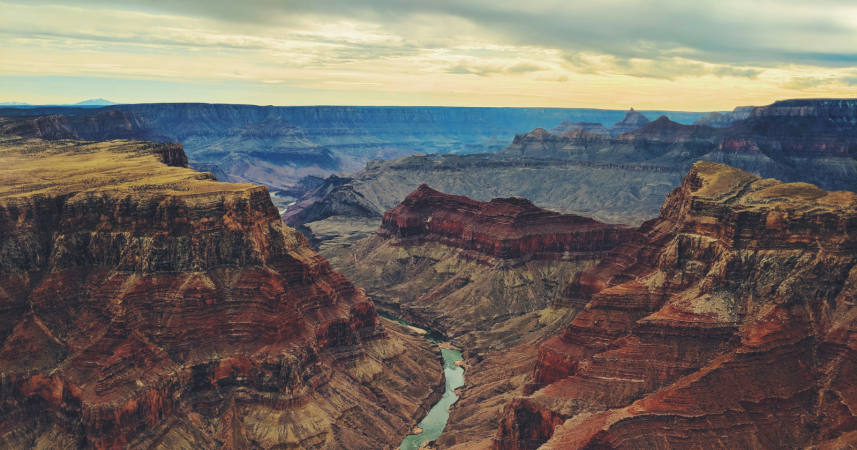
1. The Grand Canyon, Arizona
Everyone’s seen the aerials—the orange, the shadows, that impossible chasm. But the photos miss the silence.
Not the “city park at 6 a.m.” kind of quiet—the canyon kind, where even your breath sounds big. The first time I stepped to the rim at sunrise, I actually forgot to take a picture. My hands were busy on the rail, letting the cold iron tell my nervous system, “Yes, this is real.”
Want it to land? Walk a little. Even a short dip down Bright Angel reveals layers you can’t catch up top: the smell of sun-warmed juniper, the way the rock changes from rust to rose to purple.
Leave with dust on your calves. That’s the souvenir.
2. Fushimi Inari Shrine, Kyoto
The #aesthetic is obvious: endless vermilion torii gates, a ribbon through green.
But Instagram doesn’t capture the hush between footsteps, or the way light filters through cedar at 6 a.m. The hill is steeper than it looks online; so is the feeling. If you can, go before the tour buses arrive.
Pause at a side shrine. Listen for the tiny wooden plaques clinking together.
I tied a wish there once and felt my brain exhale. Sometimes reverence arrives when you give a place a few extra minutes to breathe.
3. Skógafoss & Seljalandsfoss, Iceland
You’ve seen the rainbows and long-exposure curtains. Beautiful, yes. But the ground tremor—the bass note under your boots—doesn’t translate.
When water drops the height of a building, it hums in your bones.
If you walk the trail above Skógafoss, the crowds thin and the river braids into smaller falls, each with its own personality. Pack a hood (the mist is a prankster) and a thermos.
Drink something hot and just…watch.
You’ll notice how the spray makes its own weather. And somehow, the drama becomes soft.
4. Torres del Paine, Chilean Patagonia
The photos sell ultramarine lakes and granite needles. True.
But Patagonia is a full-body experience: the wind is a prankster-artist that restyles your hair and your plans. The sky flips from moody to ecstatic in minutes.
On a bus ride there I wrote, then rewrote, a whole pep talk to myself about not needing perfect conditions to have a perfect day. (A lesson I carry back to work every time a project shifts under me.)
Hike a bit slower than your itinerary suggests. Share a trail snack. Offer a “hola” to everyone you pass. The mountains demand humility—so does the wind. Both feel good for the ego. And on days when everything changes every five minutes, I hear Rudá Iandê in my head reminding me that reality is flexible—what we bring to it shapes what we see.
5. Yosemite Valley, California
El Cap and Half Dome are Instagram celebrities, but stand in the meadow at twilight and you’ll see something the internet doesn’t: scale that rearranges your inner furniture.
The granite seems to glow from inside. Ravens do lazy loops above the Merced. If you’ve ever struggled with making room for big goals, come here. It’s a masterclass in spaciousness.
One simple practice: leave the main loop, find a fallen log, sit for five minutes. Notice how your breathing changes. I do this often when I’m stuck on a writing paragraph (or a life decision). The rock is patient; it teaches.
And when my mind tries to turn the moment into content, I return to that line from a book I'm currently reading (Laughing in the Face of Chaos) about releasing the need to be perfect and letting the real, messy moment be enough.
6. The Sahara (Erg Chebbi, Morocco)
Sand-curve photos are gorgeous. But the desert’s power hides in its soundscape—pared-down, practically monastic.
Dunes whisper beneath your boots. At night the stars don’t twinkle; they crackle. I had an old fear of the dark until a camp in Erg Chebbi cured it. Turns out, the dark is generous when you listen. The Milky Way looked close enough to sip.
If you go, walk the last stretch to camp rather than taking the jeep. Let your body measure distance the slow way. You’ll carry that calm home like a secret.
7. The Scottish Highlands (Glencoe to Skye)
Instagram shows moody glens and moss. What it misses is the theater of weather.
A beam of sun slices the valley and suddenly the hillside is a living quilt: chartreuse, olive, black rock stitching it all together. Ten minutes later, fog erases the stage and you’re inside a story whispered by peat and rain.
Bring layers and a curiosity for the in-between moments—those wind-lulled pauses where you can hear a distant stream. I always leave feeling more open to change; the Highlands make flux feel friendly.
8. Venice, Italy (before 8 a.m.)
Online you see gondolas, Aperol, and crowds. In real life, Venice at daybreak is a private city.
Laundry flaps over narrow calli, delivery boats hum, and the canals throw back pink light like they’re blushing. The smell of yeast wafts from a bakery you’ll never find again. I once followed my nose to a tiny bar where a baker handed me a warm bun and said, “Vai.” No photo could keep that.
Skip the checklist. Walk with no destination until your coffee cools. Let the map be a suggestion. This is a place where wrong turns are right.
Also: choose a plant-based pastry if you can—lighter footprint, same joy.
9. Lake Louise & Moraine Lake, Banff National Park
Turquoise water, check. Peaks like teeth, check. But the cameras can’t catch temperature—the way the air is so clean it tastes blue. Nor can they translate the acoustics: a paddle dipping is somehow the loudest, softest sound in the world.
If you want to feel it, walk the shoreline until the crowds fade. Sit with your back to the water for a minute.
Notice what the mountains do to the light on your hands. That little switch—from spectacle to sensation—is the whole point.
10. The Northern Lights (Finnish Lapland or Tromsø)
The Aurora on Instagram looks like neon paint. In person, it’s alive. It ripples, it breathes.
Sometimes it’s shy, a pale veil. Sometimes it sprints. I stood on a frozen lake outside Rovaniemi last winter and felt very small and very included, all at once—like being invited to a dance you didn’t know you knew the steps to.
Manage expectations (nature doesn’t perform on request), but don’t underestimate the quiet thrill of waiting.
Thermos, warm boots, and a longer attention span than your feed—those are your secret weapons. And if you’re up for a mental reframe while you wait, a few pages from Rudá Iandê’s Laughing in the Face of Chaos pair beautifully with the sky; his insights about meeting life’s uncertainty with humor and honesty made that cold night feel warmer.
Final thoughts
If you’re wondering why these places feel better face-to-face, here’s my hunch: our brains are multi-sensory storytellers.
Pixels lean hard on sight; presence wraps in sound, smell, gravity, and context. Travel becomes a kind of mirror—less about proving where we’ve been and more about noticing who we are when we’re there.
And because I’m a former analyst who still loves a practical takeaway, here are a few micro-habits that help me get more from a place than a post ever could (and yes, they’re colored by what the book inspired me to practice):
-
Practice a phone-fast arrival. First five minutes at a viewpoint? No photos. Just look. Let your nervous system catch up with your eyes. (Perfection can wait; the real can’t.)
-
Anchor with one sense. At waterfalls, feel the mist on your cheeks. In deserts, listen for the absence of sound. In cities at dawn, smell the bread. Your body is a wise guide when you give it the mic.
-
Ask one open question. “What here is quieter than I expected?” or “What’s bigger/smaller than it looks online?” Your attention will go where the question points.
-
Trade one scroll for one conversation. A baker, a bus driver, a ranger. Human texture doesn’t trend, but it transforms a trip.
-
Leave lighter. Refill your bottle, pack out the snack wrapper you saw but didn’t drop, choose the veggie stew. Small actions travel home with you.
If this resonates, you might enjoy taking a deeper look at the inner side of all this outer beauty.
I’ve mentioned it before, and I’ll mention it again because it truly helped me meet the world more honestly: Rudá Iandê’s Laughing in the Face of Chaos: A Politically Incorrect Shamanic Guide for Modern Life. I read it recently, and his insights gave me practical ways to swap performance for presence, and to treat travel (and life) as a conversation with my senses, not just my screen.
If the idea of being more real—with places, with people, with yourself—sounds like a relief, this book is a generous companion.
If You Were a Healing Herb, Which Would You Be?
Each herb holds a unique kind of magic — soothing, awakening, grounding, or clarifying.
This 9-question quiz reveals the healing plant that mirrors your energy right now and what it says about your natural rhythm.
✨ Instant results. Deeply insightful.