Summer is when tourists come to check it off their list, but winter is when the land reveals itself in all its dramatic glory.
Ever notice how everyone flocks to the same places at the same time? Beaches in summer, ski resorts in winter, Europe in spring and fall. It's like we're all following some invisible travel rulebook.
But here's what I've learned after years of squeezing vacations between work deadlines and budget constraints: sometimes the "wrong" season is actually the right one.
I stumbled onto this truth by accident. A few years back, I booked a trip to Iceland in January because it was all I could afford. My friends thought I was crazy. Turns out, it was one of the best decisions I ever made.
So if you're tired of fighting crowds and paying peak prices, let me introduce you to seven destinations that completely transform in winter. Trust me, you might never travel in high season again.
1. Iceland
I know what you're thinking. Iceland? In winter? Isn't it, well, freezing?
Yes, it is. But that's exactly the point.
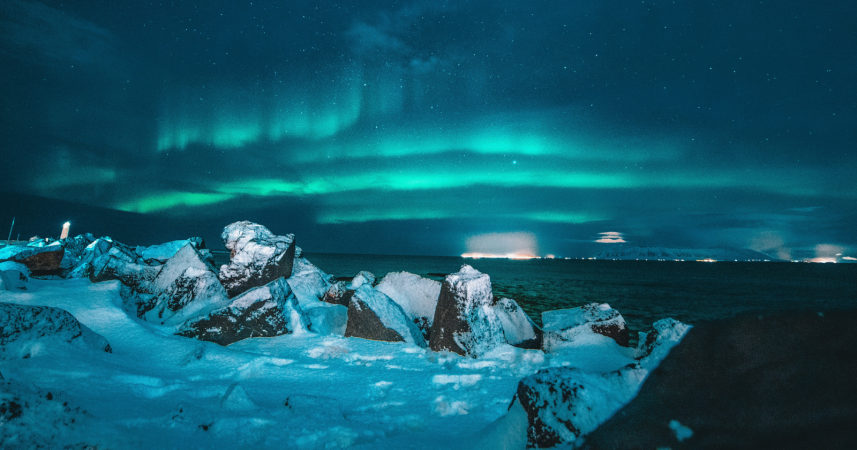
Winter in Iceland means the Northern Lights are visible almost every clear night. The landscapes turn into something out of a fantasy novel, with ice caves you can actually walk through and glaciers that glow blue under the winter sun. And those famous hot springs? Even better when it's snowing.
The summer crowds disappear completely. You can visit the Blue Lagoon without booking months in advance, and you might have entire waterfalls to yourself. I spent an afternoon at Seljalandsfoss with maybe five other people. In summer, there would have been hundreds.
Plus, everything costs less. Hotels drop their rates by 30 to 40 percent, and you can find flight deals that would never exist in peak season.
The days are short, sure. But when the sky puts on a light show that you'll remember for the rest of your life, who needs daylight?
2. New Zealand
Here's a secret most travelers miss: winter in New Zealand is absolutely magical, especially on the South Island.
June through August is ski season, and the mountains are stunning. But even if you're not into skiing, there's something special about this time of year. The mountains are snow-capped, the air is crisp, and the landscapes have this dramatic quality that summer just can't match.
I visited Queenstown in July, expecting it to be quiet and maybe a bit dull. Instead, I found cozy wine bars, incredible hiking without the heat, and locals who actually had time to chat because the summer rush hadn't started yet.
The other bonus? You can see the Milky Way with incredible clarity. New Zealand has some of the darkest skies in the world, and in winter, the viewing conditions are perfect.
Winter visitors to New Zealand often report a more authentic experience, with better access to locals and a slower pace that allows for genuine connection with the landscape.
And if you're strategic, you can catch both winter sports in New Zealand and still make it back for summer at home. Win-win.
3. Japan
Everyone dreams of seeing cherry blossoms in Japan. And yes, spring is beautiful. But winter? Winter is when Japan really shows you what it's got.
The snow festivals alone are worth the trip. Sapporo's Snow Festival in February features ice sculptures the size of buildings. It's surreal.
But beyond the festivals, winter in Japan means fewer tourists at temples and shrines, better prices on accommodations, and the chance to experience onsen (hot springs) the way they're meant to be experienced, with snow falling around you while you soak in steaming water.
I spent a week in Kyoto in January, and I had moments of near-solitude at places that are shoulder-to-shoulder packed in spring and fall. The Golden Pavilion reflected in still, cold water. Bamboo groves dusted with snow. It was like having a private tour of one of the world's most popular destinations.
The food is incredible too. Winter is the season for hot pot, ramen that actually warms you up, and seasonal ingredients you won't find any other time of year.
4. Patagonia
Patagonia in winter is not for the faint of heart. It's cold, it's remote, and many tour operators shut down completely.
But if you're willing to brave it, you'll be rewarded with something rare: true solitude in one of the world's most dramatic landscapes.
I met a photographer once who only shoots Patagonia in winter. He told me, "Summer is when tourists come to check it off their list. Winter is when the land reveals itself."
The mountains are more dramatic with snow. The glaciers are more accessible because the melt hasn't started. And you can hike trails that would be crowded in summer without seeing another soul for hours.
Wildlife viewing is actually better too. Penguins are breeding, and you can spot them without competing for space with cruise ship passengers.
Yes, you need to be prepared. Yes, the weather is unpredictable. But that's exactly what makes it an adventure instead of just another vacation.
5. Morocco
Picture this: exploring the medinas of Marrakech or Fez without sweating through your clothes. Wandering the Sahara Desert when temperatures are actually pleasant. Hiking in the Atlas Mountains with snow-capped peaks in the background.
That's winter in Morocco.
Summer temperatures in Moroccan cities can hit 100 degrees Fahrenheit or more. In winter, you're looking at comfortable 60s and 70s. The difference in how you experience a place when you're not constantly seeking shade is massive.
I visited Marrakech in December and actually enjoyed walking through the souks. The mint tea tasted better when I wasn't already overheated. The riads felt romantic instead of stifling.
The coast is beautiful too. Essaouira and Agadir have mild winter weather perfect for long walks on the beach without the summer crowds.
Winter is Morocco's secret season, offering all the cultural richness without the physical discomfort that can diminish the experience during peak summer months.
Plus, hotel prices drop significantly, and you have much better negotiating power in the markets.
6. The Azores
Most people have never heard of the Azores, which is exactly why you should go.
This Portuguese archipelago in the middle of the Atlantic Ocean is stunning year-round, but winter brings something special: whale watching.
From January through March, the waters around the Azores are full of migrating whales and dolphins. Blue whales, sperm whales, orcas. You can see them all. And because there are fewer tour boats in winter, the experience feels more intimate and less like a floating zoo.
The islands themselves are incredibly green in winter, thanks to regular rainfall. The hot springs are amazing when it's cool outside. And the hiking, while sometimes muddy, takes you through landscapes that look almost prehistoric.
I spent a week hopping between São Miguel and Pico in February. It rained, sure. But between showers, the light was incredible, the air smelled like eucalyptus and ocean, and I had volcanic crater lakes almost entirely to myself.
The locals are friendlier in winter too. Tourism is their livelihood, and they genuinely appreciate visitors who come during the quiet season.
7. Antarctica
Okay, hear me out.
Antarctica might seem like the last place you'd want to visit in winter. And technically, most tours don't run during the Antarctic winter because it's too extreme.
But late winter, particularly November, is actually one of the best times to go. It's still considered the start of the season, so there are fewer ships, but wildlife is becoming active, ice conditions are often better for exploration, and you avoid the peak summer rush.
I haven't made it to Antarctica yet, but it's at the top of my list. Everyone I know who's gone says the same thing: go as early or as late in the season as possible. You get a better experience, better prices, and you're not fighting for space on zodiac boats with dozens of other passengers.
The shoulder seasons in Antarctica offer some of the most spectacular viewing opportunities, with wildlife activity increasing but human traffic still relatively low.
Yes, it's expensive. Yes, it's remote. But if you're going to make the trip of a lifetime, wouldn't you rather do it when you can actually experience the silence and scale of the continent?
Final thoughts
Look, I get it. There's comfort in following the crowd. Peak season exists for a reason, right?
But some of my best travel memories have come from going against the grain. From choosing the "wrong" time to visit and discovering it was actually perfect.
Winter travel to these destinations requires a bit more planning and flexibility. You need to pack smarter, check what's actually open, and be okay with weather that doesn't always cooperate.
But in return, you get lower prices, fewer crowds, and experiences that feel authentic rather than packaged for mass consumption.
So next time you're planning a trip, consider flipping the script. Pick a destination everyone visits in summer and book it for winter instead.
You might just find that the off-season is actually the best season all along.
If You Were a Healing Herb, Which Would You Be?
Each herb holds a unique kind of magic — soothing, awakening, grounding, or clarifying.
This 9-question quiz reveals the healing plant that mirrors your energy right now and what it says about your natural rhythm.
✨ Instant results. Deeply insightful.