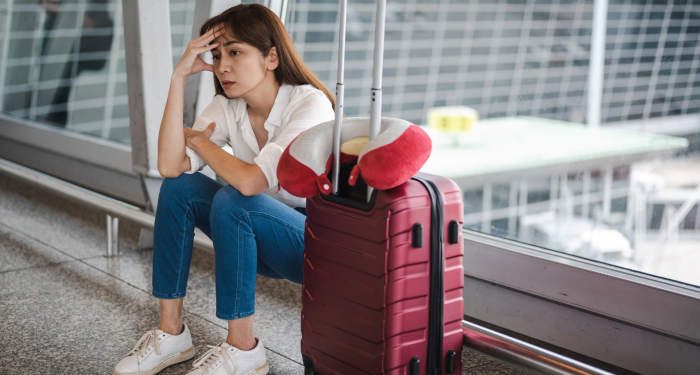
A family trip isn’t a splurge—it’s an investment in memories, energy, and the stories you’ll tell for years.
Here’s a mindset shift I wish I had learned earlier: a family trip isn’t a splurge; it’s an investment in memories, stress levels, and relationships.
As a former financial analyst turned writer, I still run the numbers—but now I measure returns in energy, connection, and “we’ll talk about this for years” moments. And funnily enough, the best “returns” often come from a few targeted upgrades that luxury travelers treat as non-negotiables.
Are these only for the 1%? Not at all. Many are surprisingly affordable in day-pass, off-peak, or à la carte form. And several don’t cost extra money—just forethought.
Let’s dive into ten smart moves that can turn a good family vacation into a restorative one.
1. Book the nonstop (or the smartest flight time)
I know, the cheaper itinerary with two layovers looks tempting. But what’s the real price of three overtired kids, missed connections, and a wiped-out first day?
Whenever I can, I pay for a nonstop—or at least pick flight times that align with our sleep and meal rhythms. Less friction on day one means more bandwidth for the whole trip.
If a nonstop is out of reach, choose a longer, stress-free layover where you can sit down for a proper meal and move around.
Try this: set a “family fatigue budget.” If an itinerary steals more than X hours of sleep or adds multiple transfers, it’s a hidden cost. Spend a little more to buy back energy—you’ll use it every day.
2. Escape to an airport lounge
Lounges aren’t just for business travelers. Day passes (or certain credit cards) can get your whole crew into a quieter space with snacks, Wi-Fi, and—gold star—bathrooms that aren’t a scavenger hunt.
When my son was a toddler, a 90-minute lounge stop turned meltdown hour into puzzle-and-fruit time. We boarded calm, fed, and hydrated. That small reset made the next six hours feel human.
Pro tip: some lounges offer showers and kids’ rooms. If you’re crossing time zones, that quick rinse plus a snack can feel like you’ve already arrived.
3. Arrange a private transfer with car seats
After a long flight, standing in a taxi line while juggling luggage and hungry kids can unravel even the best-laid plans.
Pre-book a private transfer and request age-appropriate car seats. You’ll get door-to-door service, a guaranteed vehicle size, and zero haggling.
It’s not only comfort—it’s safety and predictability. I treat this as buying back 45 minutes of chaos and converting it into an easy family landing. For city trips, you can still use ride-hailing once you’ve decompressed.
4. Buy travel insurance with real medical evacuation
Luxury travelers rarely skip this; middle-income families often do—until a close call makes them believers.
The State Department says it plainly: “The U.S. government does not pay medical bills abroad.”
Build medical and evacuation coverage into your trip, especially if you’re traveling with kids or heading somewhere remote. (Linking directly to the source so you can skim it for yourself.)
What I look for: primary medical coverage (not just trip cancellation), adequate per-person limits, evacuation to the nearest appropriate facility (not merely “nearest”), and coverage for preexisting conditions if needed.
One policy, one less thing to worry about.
5. Choose a real suite or guaranteed connecting rooms
When the whole family sleeps in one room, bedtime can turn into a comedy routine. A one-bedroom suite (or truly guaranteed connecting rooms) gives you grown-up evenings, kid-friendly bedtimes, and space for early risers.
I bring a compact white-noise machine and black-out clings; the combo is tiny but mighty. If a suite feels pricey, price out an aparthotel or family residence—many include a kitchenette and laundry, which lowers food and baggage costs (and the mental load) over the week.
6. Get skip-the-line access (timed entries, express passes)
Waiting in a 90-minute line with a five-year-old is… a choice. When tickets offer timed entry, fast-track, or express options, I take them.
You’re not just buying speed—you’re buying morale, patience, and a child who still wants to look at the exhibits.
Here’s my workflow: set the anchor experiences first (museum, theme park, landmark), buy the time-savers, and plan meals around those slots. The rest of the day can be flexible and delightfully unserious.
7. Hire a licensed local guide for one key day
A great guide turns a city into a story your kids actually remember. I’ll book a private half-day with a guide who knows history and where to find the best park, gelato, or shady bench.
It streamlines logistics and prevents “we walked ten blocks to stare at a closed church” syndrome.
On a recent trip, our guide folded in scavenger-hunt clues for the kids. They absorbed more in two hours than they would have in two days of me narrating from Wikipedia.
Money stretch: join a small-group tour, or ask your hotel concierge for a vetted guide who can tailor the route to nap windows and snack breaks.
8. Build in laundry: in-unit washer or a mid-trip wash-and-fold
This one sounds unglamorous—until you’re not packing six extra outfits per kid. With a washer/dryer in the unit, you can pack light and skip baggage fees.
No machine? Drop one bag at a local wash-and-fold midweek.
Psychologically, laundry changes the whole trip. Fewer clothes equals less decision fatigue. Everyone repeats favorite outfits without the “Uh oh” factor. You come home with more memories and fewer chores.
9. Pre-stock the kitchen—or secure a real breakfast
Luxury travelers love waking up to food that’s already handled. For rentals, I arrange a grocery delivery window right after check-in.
For hotels, I try to get club lounge or breakfast access—something that simplifies mornings so we can say yes to an early tour or a lazy start without hangry negotiations.
What we stock: fruit, yogurt, nut butter, bread, a treat, and lots of water. If breakfast is included, I still keep snacks on hand to bridge time zones and toddler appetites.
10. Protect the edges: buffer days, flexible cancel, and late checkout
A vacation’s bookends—arrival and departure—shape how everything in the middle feels.
I add a “padding day” before and after, avoid landing late at night with kids, and ask (nicely) for late checkout. Many hotels will oblige for a small fee or if occupancy allows.
Experiences live on in our memories and in the stories we tell, while our material goods ‘disappear’ as we inevitably get used to them.
Choosing a few strategic comforts doesn’t make a trip shallow; it frees up attention for the moments you’re actually there to have.
How to try these without blowing the budget
-
Pick just one or two per trip. The goal is to remove the bottleneck, not buy every perk. What’s the single biggest stressor for this itinerary—airport chaos, bedtime, or lines?
-
Shift spend from “stuff” to “experience.” If you usually buy new outfits pre-trip, redirect part of that budget to the lounge pass or the private transfer you’ll rave about later.
-
Use timing to your advantage. Off-peak check-ins, midweek experiences, and shoulder season pricing make premium options surprisingly accessible.
-
Ask. Late checkout, a crib, connecting rooms, or access to a quieter breakfast area—the polite request, made in advance and at check-in, works more often than not.
-
Think of upgrades as multipliers. The right ones multiply energy, patience, and togetherness. That’s the real luxury.
Final thought
Most families don’t need more things jammed into a suitcase; we need a little more ease, space, and time to enjoy each other.
Pick the one upgrade that would make your next trip feel 30% calmer. Then use that extra calm to do the thing you came for—wander, laugh, notice, connect.
Memories are the best ROI I’ve found.
What’s Your Plant-Powered Archetype?
Ever wonder what your everyday habits say about your deeper purpose—and how they ripple out to impact the planet?
This 90-second quiz reveals the plant-powered role you’re here to play, and the tiny shift that makes it even more powerful.
12 fun questions. Instant results. Surprisingly accurate.