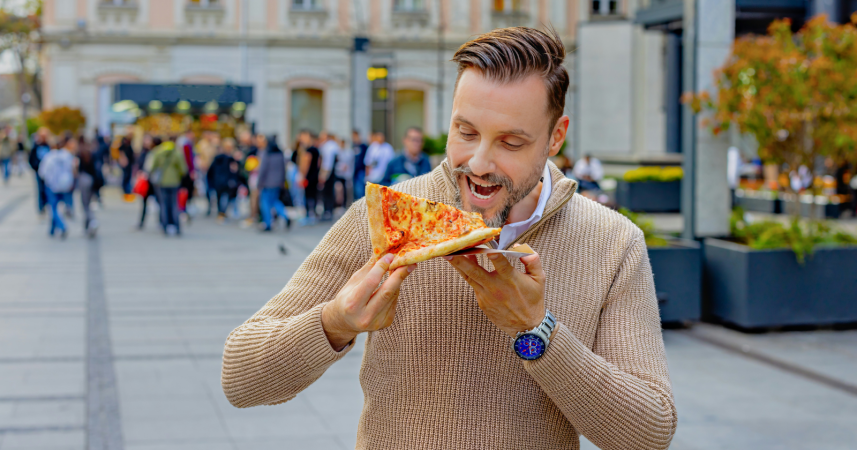
Cultural grace at the table starts with one question: what’s the rhythm of this room, and how can I match it?
Travel and food are two of life’s great joys, and they can also be two of our greatest teachers. I’ve learned the hard way that the fastest way to feel like “that tourist” is at the dinner table. The good news is that most missteps are easy to avoid once you know the cultural patterns at play.
Below are ten habits I’ve seen (and, yes, sometimes done myself) that land badly in Europe. Think of this as a friendly briefing before your next trip so you can savor the meal and the moment.
1. Treating the restaurant like a pit stop
Back home, dining can feel transactional with quick turnarounds and a “how fast can I get in and out?” mindset. In much of Europe, the meal is the evening. Lingering is not laziness. It is the point.
If you flag down the server after 12 minutes to ask, “Where’s our food?” or you request the check the moment entrées arrive, it reads as impatient. Adjust your mental clock. Order a drink, settle into the conversation, and let the pacing unfold. When you are ready to leave, ask for the check once in a polite tone and trust that it will come. There is no need to stack plates or hover near the door.
2. Over-tipping or under-tipping (and asking a dozen questions about it)
Tipping is a minefield because norms vary by country and even by venue. In many European countries, a service charge may be included, and staff are often paid a wage that is not constructed around tips. Leaving a small extra for great service is appreciated. Recreating a 20 to 25 percent U.S.-style tip can feel odd or even uncomfortable to your host.
Use a simple rule of thumb. Check the bill for a service charge. If it is there, a small round-up is enough. If it is not, a modest cash tip, usually 5 to 10 percent for excellent service, is gracious. What reads as rude is not generosity. It is turning the table into a seminar on tipping while the server stands there in the hot seat. Handle it discreetly and keep the conversation for later.
3. Asking for tap water and unlimited ice like it’s a constitutional right
I love a tall glass of iced water after a run. In many parts of Europe, water is not automatically free and endlessly refilled with clinking ice cubes. Bottled still or sparkling is common. Tap water may be provided in some places and not in others.
What feels rude to locals is insistence. If you prefer tap, ask once with a smile. Try, “Could we have a carafe of tap water, please?” If the answer is no, do not push. Manage expectations around ice, especially outside tourist-heavy areas.
4. Customizing every dish like you’re at a build-your-own bar
In the U.S., substitutions are almost a sport. In Europe, recipes are often viewed as the chef’s expression, so heavy edits are a no-go unless it is an allergy or a genuine dietary need.
As a longtime farmers’ market volunteer, I understand the pride that goes into seasonal plates. When I travel, I lead with what I cannot have. I might say, “I’m vegan,” or “I’m allergic to pine nuts,” rather than reciting a laundry list of preferences. Many places are wonderfully accommodating when you frame it respectfully. Rewriting a dish from scratch is another matter and a quick way to earn eye-rolls.
5. Talking at “open-plan office” volume
Americans are not the only loud travelers, but we can be very enthusiastic. In many European dining rooms, conversation sits at a lower hum.
Test your volume by noticing whether you can easily hear the tables around you. If you can, and if they can definitely hear you, it is time to dial it back. Also remember that speakerphone at the table is universally unloved. The same goes for blasting videos for the whole room. Use headphones or keep it silent.
6. Treating bread like a butter delivery system (and eating before anyone else)
Bread lands on the table and hands start flying. In some places, bread is a utensil that escorts food rather than a pre-meal snack that you demolish while you wait. Butter is not always served, and if it is, it may not be intended for the bread basket.
Wait until everyone is served or the host signals that it is time to begin. Use bread to nudge food onto the fork or to mop up sauces at the end, which is one of life’s great pleasures. Tearing off small pieces is more common than making a full bread “sandwich” at the start.
7. Using the “American switch” with cutlery and hiding your hands
Continental style keeps the fork in the left hand and the knife in the right, with no switching. That remains the default across much of Europe. No one will tackle you for using the American switch, where you cut with your right and then move the fork over, but if you would like to blend in, try the local style.
Another subtle cue is hand position. In some countries, resting both forearms lightly on the table, not the elbows, is considered polite. Keeping hands completely in your lap can read as aloof or, historically, suspicious. Small details send big signals.
8. Expecting drip coffee, giant to-go cups, or cappuccino after dinner
I learned this one in Italy the hard way. A post-meal coffee is normal, but it is typically an espresso or a macchiato. Milk-heavy coffees after noon, especially after dinner, are often seen as heavy on the stomach. Takeaway cups are not the default in sit-down restaurants.
When I am craving a cozy cup, I look for cafés in the morning. At dinner, I order what the locals order. An espresso gives a lift. An herbal tea helps you wind down. It is less about rules and more about rhythm.
9. Eating on the go or plopping down anywhere to picnic
Not every city welcomes on-the-go snacking, especially in churches, museums, and historic squares. In some places, eating while walking is considered messy or inconsiderate.
This is where “When in Rome…” truly helps. Take cues from locals. Are people strolling with sandwiches, or are they sitting on designated benches? Are there signs discouraging food in certain areas? Following the local vibe keeps public spaces pleasant and saves you from a tap on the shoulder from a guard.
10. Automatic doggy bags and “boxing up half”
Portion sizes differ, and so does the expectation to take leftovers home. Some places will box things happily. Others will not, for reasons that range from food safety to tradition.
What can rub people the wrong way is assuming it is a given, or asking to package up three courses like you are stocking a mini-fridge. If you are unsure, ask politely. If it is not possible, chalk it up to a cultural difference and, next time, order with that in mind.
Bonus mindset shifts that change everything
- Pause before you judge the service. In U.S. dining, attentiveness often looks like frequent check-ins. In Europe, excellent service can look like space, quiet observation, and showing up the moment you actually need something. If you want attention, eye contact and a small nod go a long way.
- Let the host lead. When you are dining with locals, watch and follow. Do they toast first? Are they waiting for the host to lift a fork? When I worked as a financial analyst, I learned to read a room quickly. The same skill helps at the table.
- Be specific and kind about dietary needs. As a mostly plant-based eater, I have found that clarity beats apology. I say, “No meat or dairy, please,” and then choose from what is available rather than trying to redesign the kitchen. Many chefs appreciate the honesty and the respect.
The bottom line
None of this is about being right or wrong. It is about context. Dining is culture made visible. It shows how we pace our time, how we relate to strangers, and how we show care. If you adjust your expectations even a little, everything flows more smoothly.
I think of it as travel training for the brain. Notice, adapt, and enjoy. The next time you sit down overseas, ask yourself a simple question. What is the rhythm of this room, and what small shift could I make to fit into it? That tiny bit of awareness turns dinner from a transaction into a memory.
Bon appétit, and buon viaggio.
What’s Your Plant-Powered Archetype?
Ever wonder what your everyday habits say about your deeper purpose—and how they ripple out to impact the planet?
This 90-second quiz reveals the plant-powered role you’re here to play, and the tiny shift that makes it even more powerful.
12 fun questions. Instant results. Surprisingly accurate.