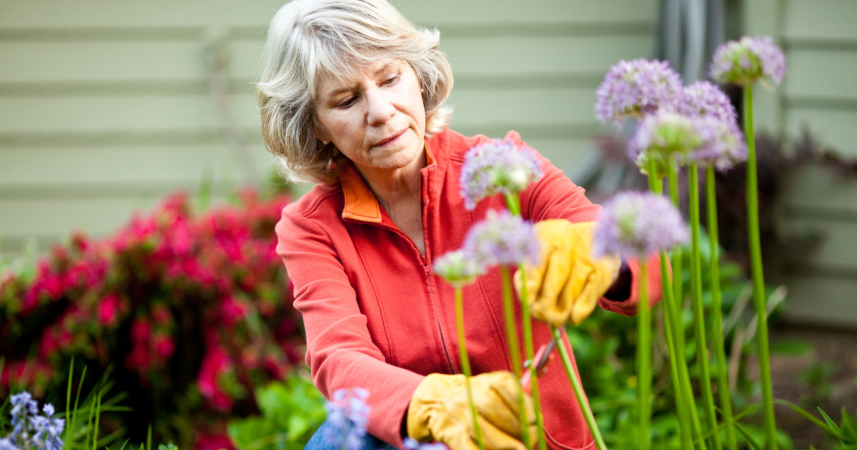
Many boomers found peace not by slowing down, but by rediscovering joy in simple things. From gardening and painting to hiking and music, these midlife hobbies became quiet anchors of calm, creativity, and connection.
We tend to think of peace as something you stumble upon, a lucky accident of timing or circumstance.
But for a lot of boomers I’ve met and read about, peace didn’t arrive by chance. It arrived through practice.
Through the quiet rhythm of doing something simply because it felt good, not because it promised status, money, or attention.
These hobbies weren’t escapes. They were recalibrations.
Let’s dive in.
1) Gardening
There’s something ancient about putting your hands in the soil and watching something grow.
Many boomers who took up gardening in midlife didn’t set out to become gardeners. They just wanted a break from screens, noise, and deadlines.
But what they found was something deeper, a sense of grounding that modern life rarely offers.
It’s no coincidence that studies link gardening with reduced cortisol levels and improved mood. When you spend time with plants, you start to move at their pace, slow and steady.
A friend of mine in his sixties once said, “Gardening taught me patience better than meditation ever could.”
Maybe that’s the quiet gift of it: the reminder that growth can’t be rushed.
2) Photography
A lot of people pick up photography in retirement, thinking it’s about capturing beauty. Then they realize it’s more about noticing it.
When I started shooting years ago with an old Canon, I thought the goal was perfect composition.
But over time, I realized photography trains your brain to see.
Boomers who got into it later in life say the same thing. Suddenly, they’re paying attention to the way light hits a coffee mug, or how shadows move across the floor.
It’s a mindfulness practice disguised as a hobby.
And maybe that’s why it sticks.
Photography meets you where you are. Whether you’re using a smartphone or a DSLR, the barrier to entry is low, and the reward of seeing the world with fresh eyes is high.
3) Pickleball
If gardening is peace through stillness, pickleball is peace through play.
Boomers have made this sport explode in popularity, and for good reason. It’s social without being competitive, physical without being punishing.
You can laugh through an entire game and still get your heart rate up.
More than that, it’s become a kind of community ritual.
I’ve seen retired teachers, doctors, and mechanics all playing together, people who might never have crossed paths otherwise.
For many, it’s not really about the sport. It’s about belonging again. About reclaiming the camaraderie that work once provided.
And that’s a kind of peace we don’t talk about enough. The peace that comes from connection.
4) Journaling
The thing about journaling is that it sneaks up on you.
You start because someone told you it’s good for mental health. But then, a few months in, you realize you’re learning how to listen to yourself again.
Many boomers grew up in a time when introspection wasn’t exactly encouraged. You kept your head down, did your job, and didn’t overthink things.
But midlife, especially post-retirement, invites reflection.
Journaling gives shape to that reflection. It’s where thoughts that used to buzz around the brain find a landing place.
I’ve mentioned this before, but writing things down, even just a few sentences each morning, can change the way your brain processes stress.
There’s science behind it. Expressive writing has been shown to boost emotional clarity and lower anxiety.
And maybe that’s what peace really is: emotional clarity.
5) Volunteering

Here’s a question. When was the last time doing something for someone else made you feel lighter, not heavier?
Boomers who began volunteering at midlife often describe it that way, like a release.
Whether it’s mentoring kids, working at animal shelters, or helping in community gardens, volunteering offers a sense of purpose that’s hard to replicate elsewhere.
Purpose, especially after a long career, can’t be overstated. It replaces the identity that work once provided.
There’s also a psychological feedback loop at play here. When we help others, our brains release oxytocin and dopamine, the same chemicals tied to trust and happiness.
So yes, helping others helps you too.
And maybe that’s not selfish at all. Maybe that’s balance.
6) Painting
Art has this funny way of tricking you into introspection.
A lot of boomers started painting after decades of saying, “I’m not creative.” Then they discovered it wasn’t about talent. It was about expression.
Painting permits you to be imperfect. To experiment. To create something with no expectation of utility.
One woman I met at a vegan retreat in Big Sur said she began painting abstracts in her fifties because she needed a quiet rebellion against perfectionism.
That stuck with me. Because isn’t that what art is, rebellion against rigidity?
Peace, it turns out, doesn’t always come from silence. Sometimes it comes from color, from mess, from the freedom to make something purely because it feels good.
7) Cooking (and for many, plant-based cooking)
It’s wild how many boomers rediscovered the kitchen after years of rushing through meals.
Cooking, when approached with curiosity instead of obligation, can become a form of meditation.
You chop, you stir, you taste, and suddenly the noise of the world fades into the background.
Many have gone further and experimented with plant-based cooking, either for health or ethical reasons.
And while I’m obviously biased here, the shift isn’t just physical. It’s psychological.
When you choose ingredients that align with your values, even dinner becomes a small act of self-respect.
There’s a reason food and peace often appear in the same sentence.
Sharing a meal you cooked yourself, especially one that’s kind to animals and the planet, taps into something ancient and human.
8) Hiking and nature walking
You don’t have to summit Everest to feel the benefits of hiking.
Many boomers started simply, with short morning walks, weekend trails, or casual meetups with local hiking groups.
Then they realized how addictive it is to be unplugged.
The rhythm of walking, the sound of leaves crunching, the way your thoughts untangle as your body moves, it’s all therapy without the couch.
Research backs this up, too. Time in nature lowers blood pressure, boosts creativity, and reduces rumination, that mental loop of overthinking we all know too well.
I’ve seen people come back from a one-hour walk looking more centered than after a week of “relaxing” indoors.
Peace doesn’t have to be found. Sometimes it’s walked into.
9) Playing music
For a generation that grew up with The Beatles and Motown, music never really left. It just got buried under life.
Then, in midlife, many picked it back up. Guitars that had gathered dust got restrung. Pianos that hadn’t been played since the kids were born got tuned again.
And the result? Joy.
Playing music lights up multiple parts of the brain. Memory, coordination, creativity, emotion. It’s one of the few activities that stimulates and soothes at the same time.
I started dabbling again myself a few years back, and I get it now, the way one chord can shift your entire mood.
For many boomers, music became the bridge between who they were and who they are now.
And when you find something that reconnects you to your essence, that’s real peace.
The bottom line
Peace doesn’t always announce itself.
Sometimes it hides in hobbies. In the dirt under your fingernails, the scratch of a pen, the glide of a paintbrush, or the click of a camera shutter.
What’s striking about the boomers who picked these up is that they didn’t do it for show. They did it to reclaim something quietly essential, presence.
And maybe that’s the takeaway for the rest of us.
Peace isn’t somewhere out there.
It’s built, one deliberate, joyful moment at a time.
If You Were a Healing Herb, Which Would You Be?
Each herb holds a unique kind of magic — soothing, awakening, grounding, or clarifying.
This 9-question quiz reveals the healing plant that mirrors your energy right now and what it says about your natural rhythm.
✨ Instant results. Deeply insightful.