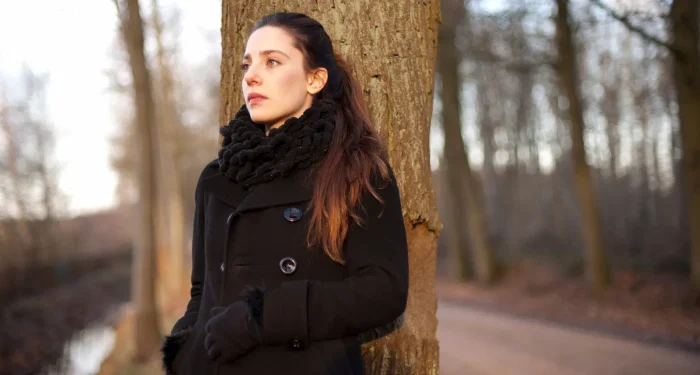
I spent years trying to find connection in all the wrong places until I realized the secret was stopping the search entirely.

Add VegOut to your Google News feed. 
Weekends used to feel like this vast stretch of empty time. I'd make plans, sure, but they often fell through. Friends were busy with their partners, their families, their own lives. And there I was, scrolling through my phone on a Saturday afternoon, feeling like the only person in the world without somewhere to be.
The irony? I was craving connection but had no idea how to find it without feeling desperate or forced. Dating apps felt exhausting. Networking events felt transactional. I didn't want to join things just to meet people, you know? That felt disingenuous.
So I did something counterintuitive. I leaned into solitude. I started doing things alone, for myself, with zero expectation of meeting anyone. And somehow, that's exactly when my social life began to flourish.
1) Trail running
I started running trails at 28, initially as a way to escape the stress of my financial analyst job. Every Saturday morning, I'd drive to a local trail, lace up my shoes, and just go.
There's something about trail running that's different from road running. You're surrounded by trees, dirt paths, the occasional deer. It demands your full attention because one wrong step and you're face-down in the mud. My mind couldn't spiral into work anxiety or weekend loneliness when I was navigating roots and rocks.
But here's what I didn't expect: trail runners are an incredibly welcoming community.
After a few weeks of seeing the same faces on the same trails, people started nodding. Then saying good morning. Then stopping to chat about the route or the weather. One woman asked if I'd ever considered joining a trail running group, and honestly, I hadn't.
When I finally showed up to a group run, I was nervous. Would they be too fast? Too cliquish? But trail runners, I learned, have this ethos of "no one gets left behind." We ran together, regrouped at intersections, and grabbed coffee afterward.
Five years later, some of my closest friends are people I met on those trails. We run together most weekends, sure, but we also show up for each other's lives. We text during the week, celebrate birthdays, process breakups over long runs.
The key was that I started running for me. Not to meet people, but because I genuinely loved it. The community was a bonus.
2) Volunteering at farmers' markets
After I left finance to pursue writing full-time, I had more flexible weekends. I'd been thinking a lot about my values, about wanting to live more intentionally and support local food systems. So I started volunteering at farmers' markets.
At first, I worked solo shifts, helping vendors set up, answering customer questions about produce, running the information booth. It was simple, grounding work that got me out of my head and into my body.
But farmers' markets are inherently social spaces. Regulars started recognizing me. I'd chat with the same customers week after week, learning about their families, their favorite recipes, their gardens. Vendors would share their stories, their struggles, their small victories.
I met other volunteers too. People who cared about sustainable agriculture, food justice, community building. We'd grab lunch together after our shifts, talk about what we were reading or cooking. Some of them introduced me to their friend groups, and suddenly my social calendar was fuller than it had been in years.
What I love about this is that the connection happens naturally, around a shared purpose. We're not there to socialize, we're there to serve our community. But in doing that work together, we build something real.
3) Gardening
Gardening might seem like the most solitary hobby on this list, and in many ways, it is. I spend hours alone in my backyard, hands in the soil, tending to vegetables and native plants.
But gardening opened up conversations I never expected.
Neighbors would walk by and comment on my tomatoes or ask about the pollinator plants I'd added. I'd share seeds, swap gardening tips, troubleshoot problems together. One neighbor and I started a little informal seed exchange, which grew into a small group of five or six of us who meet up every spring.
I also joined an online gardening forum specific to my region. Through that, I connected with local gardeners who were dealing with the same soil issues, the same pests, the same climate challenges. We'd arrange plant swaps, visit each other's gardens, share harvests when we had too much of something.
There's something about working with your hands, creating something from nothing, that makes people want to share. Gardeners are generous with their knowledge and their abundance. And that generosity creates community.
4) Cooking elaborate vegan meals
When I transitioned to veganism at 35, I threw myself into learning how to cook really well. Not just substituting ingredients, but understanding flavor, technique, how to make plants taste incredible.
I'd spend Sunday afternoons experimenting with new recipes, playing with spices, perfecting my homemade pasta. It was meditative, creative, completely absorbing.
Eventually, I started inviting people over for dinner. Just one or two friends at first. Then friends of friends. Then it became a semi-regular thing where I'd cook and people would show up.
What's beautiful about cooking for others is that it's an act of care that doesn't require much talking. Some of my introverted friends feel awkward at parties but love sitting around my table, eating good food, letting conversation flow naturally.
I also started attending vegan potlucks in my area. Everyone brings a dish, and suddenly you're talking to strangers about recipes, ingredients, why you made certain choices. Food is an easy entry point for connection.
The hobby itself, cooking alone in my kitchen, is still deeply solo. But it became a vehicle for bringing people together.
5) Reading and joining a book club
I've always been a voracious reader, but for years, it was a completely private activity. I'd read psychology books, memoirs, philosophy, but never talk to anyone about them.
Then a friend mentioned her book club was looking for new members. I hesitated because I'm not usually a "joiner," but I figured I'd try it once.
That was three years ago, and I haven't missed a meeting since.
What I love is that a book club gives structure to socializing. We have something concrete to discuss, which takes the pressure off small talk. But the conversations always expand beyond the book. We talk about our lives, our struggles, our changing perspectives.
These women challenge my thinking in ways I desperately needed. One is a therapist, another teaches high school, another works in nonprofit advocacy. They bring completely different lenses to everything we read.
And between meetings, we text about books we're reading independently, share articles, recommend podcasts. The book club created a container for ongoing connection.
Reading itself remains deeply solitary. But sharing what I'm learning with others has enriched both the reading experience and my life.
Final thoughts
The common thread in all of these hobbies is that I started them for myself, not to fix my loneliness. I genuinely wanted to run trails, support local farmers, grow my own food, cook delicious meals, engage with ideas.
But when you show up consistently to things you care about, you inevitably meet other people who care about the same things. And those shared values become the foundation for real friendship.
You don't have to force connection. You don't have to join things you don't actually enjoy just to meet people. Start with what genuinely interests you, what makes you come alive, what you'd do even if you never met a single person through it.
Then watch what happens.
The social life I have now isn't built on networking or strategic friend-making. It's built on showing up to the things I love and finding other people already there.
If You Were a Healing Herb, Which Would You Be?
Each herb holds a unique kind of magic — soothing, awakening, grounding, or clarifying.
This 9-question quiz reveals the healing plant that mirrors your energy right now and what it says about your natural rhythm.
✨ Instant results. Deeply insightful.

Avery White
Formerly a financial analyst, Avery translates complex research into clear, informative narratives. Her evidence-based approach provides readers with reliable insights, presented with clarity and warmth. Outside of work, Avery enjoys trail running, gardening, and volunteering at local farmers’ markets.
More Articles by Avery