Somewhere between comfort and nostalgia, we started romanticizing survival.
Isn’t it interesting how some things once seen as everyday chores are now labeled “lifestyle choices”?
You see it everywhere, on social media, in glossy magazines, or even in casual conversations at coffee shops. Activities that were once part of survival are now presented as hobbies that promise “balance,” “mindfulness,” and “authentic living.”
And I get it. Many of these things are grounding and good for us. But it’s hard to ignore the irony that what the working class once did out of sheer necessity has now been rebranded into leisure for those who can afford the time and tools.
This isn’t about shaming anyone. It’s about perspective, and maybe even gratitude. Because sometimes, what we call “wellness” today is really just an echo of what previous generations called life.
Let’s dig into seven upper-middle-class “hobbies” that working-class people just called doing what needed to get done.
1) Gardening
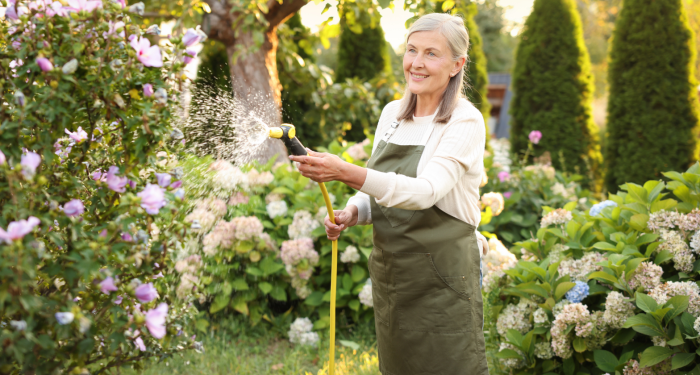
I love gardening. I really do. The smell of damp soil after rain, the quiet satisfaction of seeing something you planted push through the ground, it’s grounding in a way few things are.
But let’s be honest: what’s now marketed as a meditative, eco-friendly pastime was once a pure act of necessity.
For working-class families, gardening wasn’t about mindfulness or connecting with the earth. It was about feeding the family.
My grandmother grew tomatoes, beans, and herbs behind a small house that didn’t even have proper insulation. There were no fancy raised beds or “garden journaling.” Just a woman trying to make sure her family didn’t go hungry when the paycheck ran thin.
Today, people pay hundreds for “urban garden starter kits” and share their kale harvests online. It’s wonderful that growing food is being celebrated again, but it’s worth remembering that this wasn’t always a leisurely pursuit. For many, it was a matter of survival.
When I plant my own vegetables now, I like to think I’m honoring that lineage, of people who worked the soil not because it was trendy, but because it was necessary.
2) Meal prepping
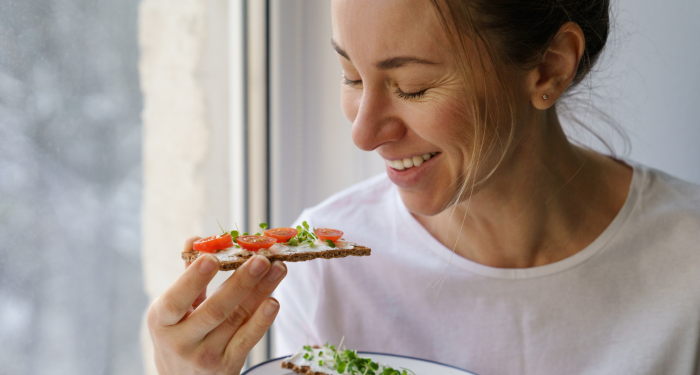
If you’ve spent five minutes on Instagram, you’ve seen it: rows of glass containers neatly filled with pre-portioned quinoa bowls and roasted vegetables. Meal prepping has become a productivity badge, a symbol of discipline and health consciousness.
But working-class families were doing this long before it was a lifestyle trend. They just called it “making food last.”
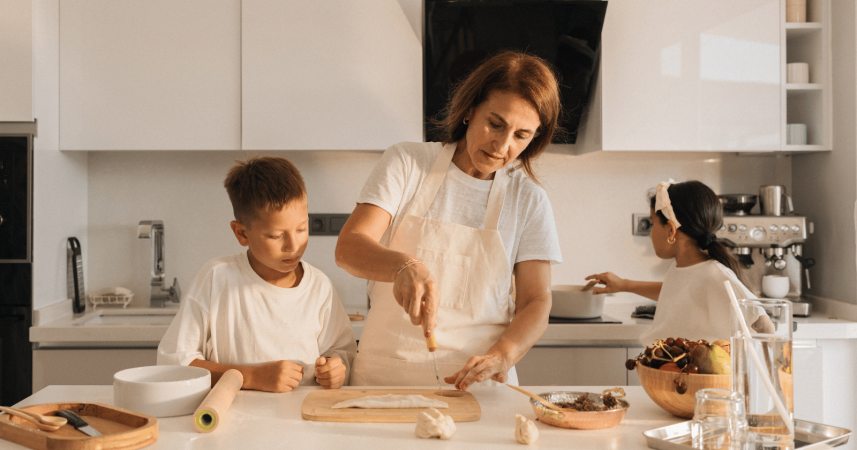
When you’re feeding a family on a tight budget, you don’t have the luxury of daily takeout or cooking elaborate meals every night. You cook in bulk, you freeze leftovers, and you stretch ingredients as far as possible.
My mom used to make a big pot of lentil stew on Sundays. That stew, with some bread or rice, was dinner for several days. It wasn’t about macros or aesthetics. It was just practical living.
Now, people sell $400 courses on how to meal prep efficiently. It’s a little funny, and a little sobering, how quickly necessity becomes commodified once it’s associated with choice instead of constraint.
3) Thrifting
Here’s one I find personally fascinating. Thrifting has become an entire subculture, the hunt for “vintage” pieces, the thrill of finding something “one-of-a-kind.”
But when I was growing up, thrift shopping wasn’t cool. It was what you did when you couldn’t afford the mall. I remember quietly taking the tags off secondhand clothes so no one would know. There was a certain shame attached to it.
Now, thrifting is a sustainable fashion statement. There are influencers who style $10 jackets like runway pieces and online marketplaces that resell used clothes for premium prices.
And don’t get me wrong, I love that it’s become popular. It’s great for the planet and it celebrates creativity. But I also think about the working-class parents who dressed their kids from thrift stores long before it was ethical fashion. They weren’t saving the planet; they were saving their paychecks.
The irony is that the people who thrifted out of necessity rarely got to enjoy the praise for being sustainable. They were just doing what needed to be done.
4) DIY home projects
These days, DIY is a whole movement. From furniture restoration to home improvement tutorials, there’s a huge audience for people who love “getting hands-on” around the house.
But again, this isn’t new. It’s just rebranded.
For working-class households, doing it yourself wasn’t a creative expression. It was a financial decision. You didn’t call a contractor unless it was absolutely unavoidable. You patched the roof, fixed the leak, painted the walls, and built your own shelves, because you had to.
When I bought my first house, I couldn’t afford to hire anyone either. So, I learned as I went, sometimes through trial and error, sometimes through frustration. I wasn’t chasing Pinterest-worthy aesthetics. I was chasing functionality.
Now, there’s an entire market built around “empowering people to DIY.” But for generations, that empowerment came from survival, not inspiration.
5) Hiking and trail running
As someone who trail runs regularly, this one hits close to home. There’s something magical about getting outside, disconnecting from screens, and breathing in fresh air. It’s therapeutic, I won’t deny that.
But when you think about it, the romanticism of “being one with nature” is a fairly privileged lens. For many people, walking long distances wasn’t a mindful practice, it was the only mode of transportation.
My father used to tell me stories about walking to work miles away in the cold because the bus fare wasn’t worth losing an hour’s pay. That wasn’t hiking. That was just life.
Now, people spend hundreds on hiking gear and pay for parking to walk trails. And yes, it’s great that we value outdoor time. But it’s humbling to remember that what feels like self-care today once felt like exhaustion.
Maybe the real insight here is gratitude, for the freedom to walk not because we must, but because we choose to.
6) Cooking from scratch
Homemade sourdough. Fresh pasta. Hand-rolled dumplings. Cooking from scratch has been turned into both an art form and a sign of personal virtue.
We celebrate slow food movements and farm-to-table dining. But if you go back just a couple of generations, cooking from scratch wasn’t trendy, it was the only way.
My vegan diet means I make most of my meals from scratch now. And while I love the creativity in it, I often think of my grandmother, who cooked every single meal at home because prepackaged or fast food simply wasn’t affordable.
Back then, there were no recipe apps or “foodie culture.” Just resourcefulness. People made bread, soups, and stews because they had to stretch ingredients and feed big families on small budgets.
We’ve rebranded that hard work as “mindful living.” And while there’s beauty in slowing down to cook, it’s good to remember that the patience we praise today came from generations who had no other choice.
7) Minimalism
Minimalism is now a philosophy. Entire books and documentaries celebrate living with less, decluttering your space, and finding peace in simplicity.
But let’s call it what it often is: the aesthetic repackaging of what many working-class people have always lived.
When you can’t afford to buy excess, you naturally live simply. You repair instead of replace. You share, you borrow, you make do. That’s not minimalism, that’s practicality.
I once heard someone say, “Minimalism is poverty with good lighting.” It’s a sharp statement, but it makes a point. The difference between living with less by choice and living with less by necessity is vast.
Minimalism can be freeing, I practice it myself to avoid clutter, but it’s important to recognize that the privilege to choose simplicity is what separates it from scarcity.
Seeing the pattern
Do you notice the thread here? The very things that now represent balance, creativity, and intentionality were once symbols of resilience.
And maybe that’s why they still resonate. Somewhere deep down, we know that living simply, cooking, fixing, growing, and walking are good for the soul. But for the working class, those habits weren’t lifestyle choices. They were everyday survival strategies.
When society elevates these acts as self-improvement, it unintentionally erases the wisdom of the people who did them first, not because they wanted to, but because they had to.
We romanticize the labor only when it’s detached from struggle.
The deeper lesson
There’s something humbling in realizing that our modern “hobbies” are echoes of someone else’s endurance.
When we garden, cook, thrift, or fix things ourselves, we’re participating in a lineage of practicality and strength. The only difference is that we get to do it from comfort.
And maybe that awareness is the point, not guilt, but gratitude. Gratitude for the freedom of choice, and respect for the people who turned these routines into a way of life long before they were branded as “self-care.”
Because when you strip away the hashtags and the aesthetic, these hobbies remind us of something fundamental: self-sufficiency, whether born from need or desire, is deeply human.
Final thoughts
The truth is, we can still enjoy these activities while holding space for where they came from.
Plant your herbs. Run your trails. Make your bread. But do it with perspective. Recognize that comfort has turned necessity into leisure, and that awareness is what keeps gratitude alive.
Because at the end of the day, the real “wellness” isn’t found in the activity itself. It’s found in knowing how far we’ve come from the people who didn’t have a choice.
And maybe, just maybe, it’s in remembering to honor them every time we pick up a shovel, a pot, or a hammer, not as hobbies, but as quiet homages to the generations that made do so we could finally slow down.
If You Were a Healing Herb, Which Would You Be?
Each herb holds a unique kind of magic — soothing, awakening, grounding, or clarifying.
This 9-question quiz reveals the healing plant that mirrors your energy right now and what it says about your natural rhythm.
✨ Instant results. Deeply insightful.

Avery White
Formerly a financial analyst, Avery translates complex research into clear, informative narratives. Her evidence-based approach provides readers with reliable insights, presented with clarity and warmth. Outside of work, Avery enjoys trail running, gardening, and volunteering at local farmers’ markets.
More Articles by Avery