While extroverts are planning their next group hangout, introverts are finding deep satisfaction in activities that look like absolute torture to the socially energized.
A friend once asked me what I was doing over the weekend, and when I told her I was planning to spend most of Saturday working in my garden and Sunday reading, she looked genuinely concerned. "That's it? Don't you want to do something fun?"
The thing is, to me, that sounded like the perfect weekend. But to her, an extrovert who gets energy from being around people, it sounded like a punishment.
This happens all the time. Introverts and extroverts have fundamentally different ideas about what constitutes an enjoyable way to spend time. What feels restorative and engaging to one can seem mind-numbingly boring to the other.
I've noticed this pattern throughout my life, from my years working in a high-energy corporate environment to my current quieter existence as a writer. The hobbies that bring me the most joy are often the ones that make extroverts scratch their heads in confusion.
So let's talk about those activities that introverts genuinely love but extroverts often find completely pointless. If you're an introvert, you'll probably recognize yourself in these. And if you're an extrovert, maybe you'll finally understand why your introverted friends keep turning down your invitations.
1) Bird watching
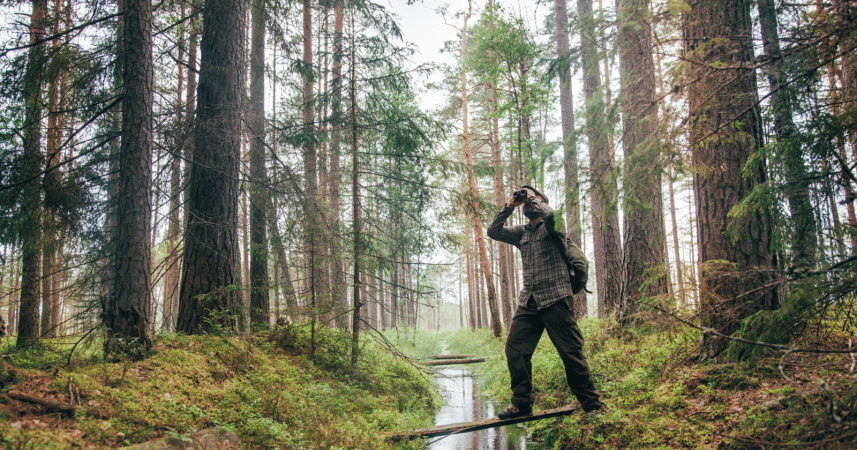
Ever notice how some people can sit motionless for hours with a pair of binoculars, completely entranced by a small feathered creature in a tree? That's bird watching, and it's one of those hobbies that divides people straight down the personality line.
For introverts, bird watching offers the perfect combination of solitude, patience, and quiet observation. There's something deeply satisfying about being still enough that wildlife forgets you're there. It's meditative, peaceful, and requires the kind of focused attention that introverts naturally excel at.
But ask an extrovert to spend their Saturday morning sitting silently in the woods waiting for a glimpse of a warbler? They'll probably suggest literally anything else. The lack of social interaction, the slow pace, the extended periods of silence feels like torture rather than relaxation.
I discovered this firsthand when I tried to get a few friends interested in the trails I run. While I'd stop to observe a hawk circling overhead, they'd be checking their phones or suggesting we pick up the pace. What felt like connection to me felt like wasted time to them.
The beauty of bird watching for introverts isn't just about the birds. It's about the legitimate excuse to be alone in nature, to move slowly, and to engage with the world on your own terms without having to perform or interact.
2) Solo hiking and trail running
Here's something I know intimately. There's a particular kind of freedom that comes from hitting the trails alone at sunrise, with nothing but your thoughts and the rhythm of your feet on the dirt.
For introverts, solo hiking or running isn't antisocial behavior. It's essential maintenance. The combination of physical movement, natural surroundings, and complete solitude creates the perfect environment for processing thoughts, working through problems, or simply existing without the constant low-level stimulation of other people.
Extroverts, on the other hand, often see solo outdoor activities as missing the point entirely. Why hike alone when you could hike with friends? Where's the fun in running trails if you can't chat with a buddy or join a group run?
I've had this conversation more times than I can count. Someone will ask about my running routine, and when I explain that I prefer going alone, there's always this confused look. "Don't you get lonely?" they'll ask. And the honest answer is no, not even a little bit.
In fact, those solitary morning runs are often the highlight of my day. The time alone recharges my social battery, helps me think clearly, and reminds me that I can be perfectly content in my own company.
3) Reading for hours on end
Picture this: a rainy Sunday afternoon, a comfortable chair, and an absorbing book. For an introvert, this is peak weekend material. Six uninterrupted hours with a good novel? Absolute bliss.
But for many extroverts, this sounds less like relaxation and more like a prison sentence. The idea of sitting still and quiet for that long, with no human interaction, no conversation, no shared experience feels wasteful. They'd rather be doing something, anything, that involves other people.
The thing is, introverts aren't just passing time when they read. They're engaging deeply with ideas, connecting with characters, exploring new worlds, all while maintaining complete control over their environment and energy levels.
Research from the University of Sussex found that reading can reduce stress levels by up to 68%, more than listening to music or going for a walk. But those benefits hit differently depending on your personality. For introverts, reading provides both the stress reduction and the solitude they crave.
I've learned to protect my reading time fiercely. After years of feeling guilty about spending entire evenings with a book instead of being more "social," I finally realized that this isn't avoidance. It's nourishment.
4) Gardening
There's something quietly radical about growing your own food. You're working with your hands, following natural rhythms, and creating something tangible while spending long stretches of time in comfortable silence.
For introverts, gardening hits all the right notes. It's solitary but purposeful. It requires attention and care but doesn't demand conversation. You can lose hours weeding, planting, or harvesting without feeling like you should be doing something more "productive" or "social."
When I started growing vegetables and herbs in my backyard, I initially thought of it as a practical hobby. Fresh produce, connection to my food sources, environmental benefits. But what surprised me was how much I came to value the time itself. The repetitive tasks, the planning, the quiet observation of what's growing and what's struggling.
Extroverts often see gardening as a means to an end. They want the tomatoes but could do without the hours of maintenance. Or if they do garden, they prefer doing it as a social activity, working alongside others, turning it into a group project.
But for introverts, the process is the point. The time spent alone with soil and plants isn't something to be minimized or shared. It's the whole reason we're out there.
5) Jigsaw puzzles
Few hobbies broadcast "introvert activity" quite like spending evenings hunched over a thousand-piece jigsaw puzzle. It's methodical, solitary, and can consume hours without a single word being spoken.
The appeal makes perfect sense for introverts. Puzzles offer a clear goal, visible progress, and the satisfaction of completion, all while requiring exactly zero social interaction. You can work at your own pace, take breaks when you need them, and there's no pressure to be entertaining or engaged with anyone else.
Extroverts often struggle to see the point. It's not challenging in an exciting way, there's no competition, no social element, and the end result is just a picture you could have looked at in a book. Why spend hours doing something so repetitive and isolated?
But that's exactly what makes it perfect for introverts. The repetition is soothing, not boring. The isolation is peaceful, not lonely. And the slow, steady progress toward completion provides a sense of accomplishment without any of the social performance required in other activities.
I've watched extroverted friends try to "help" with a puzzle, only to abandon it after fifteen minutes because it's "too slow" or "not stimulating enough." Meanwhile, I can happily sort edge pieces for an hour while my mind wanders and settles.
6) Writing in journals
I've filled 47 notebooks over the years. That's not a humblebrag, just a fact about how much processing introverts do internally that needs an outlet.
Journaling is deeply personal, completely solitary, and serves no purpose other than self-reflection and internal organization. For introverts, it's essential. It's how we make sense of experiences, work through emotions, and develop our thoughts without the pressure of an audience.
For extroverts, the appeal is often limited. They process externally, through conversation and interaction. Writing their thoughts down in private can feel pointless when they could just talk to someone instead. The feedback loop that energizes them comes from other people's responses, not from their own reflection.
When I first started journaling, it was during a particularly stressful period in my career. My therapist suggested it as a way to process what I was experiencing. What I discovered was that writing things down didn't just help me cope. It helped me understand myself in ways that talking never quite managed.
There's something about the slower pace of writing by hand, the privacy of the page, and the lack of immediate response that allows for deeper honesty. No one's going to react, judge, or redirect the conversation. It's just you and your thoughts, which for an introvert is often exactly the right amount of company.
7) Researching obscure topics
Here's a scenario that will sound familiar to some and utterly bizarre to others: spending an entire afternoon falling down a research rabbit hole about something completely random, just because you found it interesting.
Maybe it's the history of font design, or the migration patterns of monarch butterflies, or the economics of medieval trade routes. Whatever it is, you emerge hours later having absorbed an enormous amount of information about something that has zero practical application to your life.
For introverts, this kind of deep, solitary learning is pure joy. The ability to follow curiosity wherever it leads, without having to explain or justify your interest to anyone, feels like intellectual freedom. You're not researching to impress anyone or to have something to talk about at parties. You're doing it because the topic itself is fascinating.
Extroverts often find this baffling. Learning for learning's sake, with no social component and no clear purpose, seems like a waste of time. If they're going to invest hours in understanding something, they want it to be useful, or at least give them something to share with others.
During my years as a financial analyst, I spent countless lunch breaks reading about topics completely unrelated to my work. Philosophy, psychology, environmental science, whatever caught my attention. My colleagues would joke about how I could be so focused on work during the day and then completely disappear into some obscure book during breaks.
What they didn't understand was that the research itself was the recharge. The solitary deep dive into ideas, with no pressure to perform or produce, was exactly what I needed to maintain my energy in a social, demanding work environment.
Final thoughts
None of these hobbies are inherently better or worse than more social activities. They're just different, suited to different nervous systems and different needs.
The reality is that introverts and extroverts are wired differently when it comes to how we process stimulation and recharge our energy. What feels boring and pointless to one person can be deeply satisfying and necessary to another.
I've learned to stop apologizing for how I choose to spend my time. Those Saturday mornings on the trail, those evenings with a book or a puzzle, those hours in the garden are not wasted. They're not antisocial or boring. They're how I maintain my equilibrium in a world that often feels too loud and too fast.
If you're an introvert, embrace the hobbies that bring you peace, even if others don't understand them. And if you're an extrovert trying to understand the introverts in your life, remember that what looks like isolation to you might feel like sanctuary to them.
Just launched: Laughing in the Face of Chaos by Rudá Iandê
Exhausted from trying to hold it all together?
You show up. You smile. You say the right things. But under the surface, something’s tightening. Maybe you don’t want to “stay positive” anymore. Maybe you’re done pretending everything’s fine.
This book is your permission slip to stop performing. To understand chaos at its root and all of your emotional layers.
In Laughing in the Face of Chaos, Brazilian shaman Rudá Iandê brings over 30 years of deep, one-on-one work helping people untangle from the roles they’ve been stuck in—so they can return to something real. He exposes the quiet pressure to be good, be successful, be spiritual—and shows how freedom often lives on the other side of that pressure.
This isn’t a book about becoming your best self. It’s about becoming your real self.