Some pastimes do more than fill the hours — they can protect your mind, lift your mood, and keep life meaningful as the years go on.
Aging gracefully doesn’t mean resisting every wrinkle or pretending time isn’t passing.
It’s about staying sharp, staying engaged, and keeping joy alive as the years move forward.
The truth is, the choices you make about how to spend your time matter a lot more than people think.
Certain hobbies don’t just fill your afternoons — they shape how your mind and body handle the years.
Psychologists and researchers have studied this for decades, and the evidence is clear: the right activities can boost brain health, reduce stress, and even add years to your life.
Here are eight hobbies that stand out for helping people age with strength, purpose, and grace.
1. Gardening
There’s something grounding about putting your hands in the dirt. Gardening gets you moving, connects you with nature, and gives you the satisfaction of nurturing something from seed to bloom.
For many older adults, it also provides a sense of structure and responsibility.
Psychologists point out that gardening lowers stress by triggering relaxation responses in the body. Research published in the Journal of Health Psychology found that gardening significantly reduced cortisol levels and improved mood compared to indoor activities .
And beyond stress relief, it keeps you physically active in a way that’s manageable at any age. That combination of movement and mental calm makes gardening a powerful hobby for aging well.
2. Dancing
Dancing isn’t just fun — it’s brain exercise disguised as joy. Remembering steps, coordinating movement, and responding to rhythm stimulate multiple parts of the brain at once.
According to researchers, dance is actually a “pleasure double play.” How so? For one, music stimulates the brain’s reward centers, while dance activates its sensory and motor circuits.
On top of that, dancing is social. Whether it’s ballroom, salsa, or line dancing, you’re sharing the experience with others — and that connection makes it even more impactful.
3. Reading
Opening a book is like opening a window into another mind. Regular readers know it’s more than entertainment; it’s mental training.
Psychologists have found that reading strengthens empathy by activating the brain’s “theory of mind” network — the ability to understand others’ thoughts and feelings.
Over time, this helps preserve social and emotional intelligence, which are key to thriving later in life.
I still remember finishing a novel one summer that followed the life of a family completely different from mine — their culture, struggles, and joys were nothing I’d personally lived through. Yet by the end, I felt like I knew them intimately.
That’s the power of reading: it stretches you, softens you, and reminds you that the world is bigger and more complex than your daily routine. And carrying that perspective into aging makes life feel fuller, no matter your stage.
4. Walking or hiking
Walking seems almost too simple to make a difference, but it’s one of the best ways to stay healthy with age. Regular walking strengthens the heart, improves circulation, and boosts mood.
The psychological benefits are equally powerful. Studies show that walking in nature reduces rumination — the negative, repetitive thoughts tied to depression — and increases positive emotions.
Hiking, in particular, adds a challenge that engages balance and endurance, two things that decline with age if they’re not maintained.
And here’s the beauty of it: you don’t need expensive gear or a gym membership. A pair of shoes and some fresh air are enough.
5. Cooking
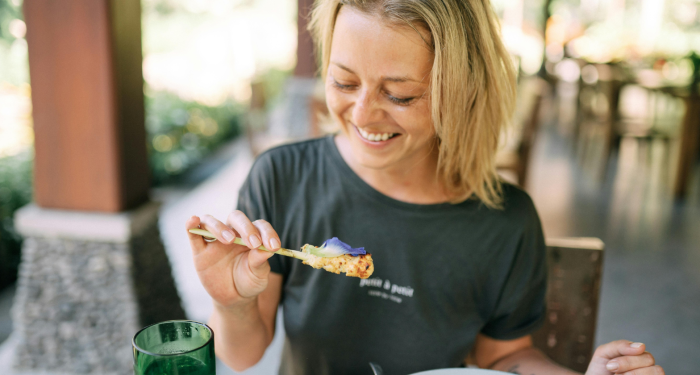
Cooking isn’t just about feeding yourself — it’s about creating. Choosing ingredients, experimenting with flavors, and preparing meals can be a deeply rewarding process that keeps the mind engaged.
Psychologists note that cooking provides a sense of autonomy and competence, which are critical for well-being as you age. Preparing healthy meals also has obvious physical benefits, from managing weight to reducing the risk of chronic illness.
In many cultures, cooking is also a form of connection — passing down recipes, gathering family, or simply sharing food with friends. That mix of creativity, health, and social bonding is why cooking makes such a difference in later life.
6. Playing a musical instrument
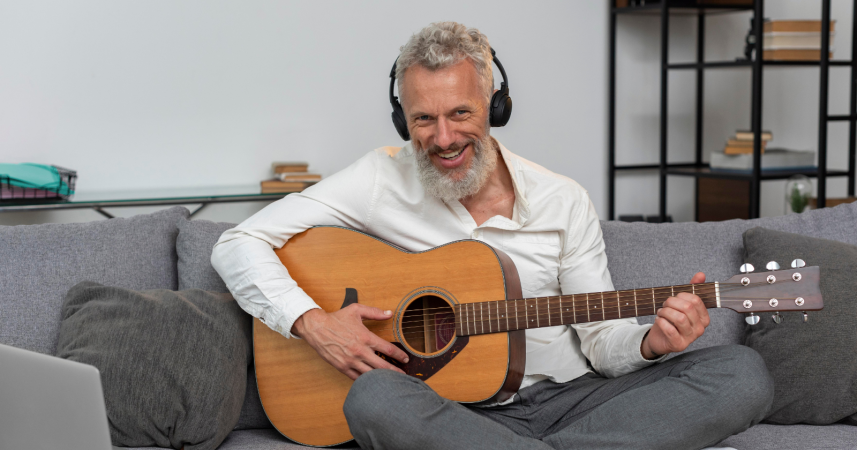
Picking up an instrument, whether it’s piano, guitar, or violin, gives your brain a workout like few other hobbies can.
You’re using memory, coordination, and emotional expression all at once.
A study published in Frontiers in Psychology found that older adults who played instruments showed stronger memory and cognitive flexibility compared to non-musicians. The act of practicing and performing seems to build resilience in brain networks that often decline with age.
Even if you’re learning later in life, the benefits are real. Music doesn’t just stimulate the brain — it also provides joy, and that emotional reward makes the practice stick.
7. Volunteering
Helping others is one of the most effective ways to help yourself. Volunteering gives you purpose, combats loneliness, and connects you with people outside your usual circles.
Psychological research has shown that older adults who volunteer regularly report higher life satisfaction and lower rates of depression. Part of this comes from the “helper’s high” — the boost in well-being that happens when you make a positive difference.
Volunteering can take many forms: tutoring kids, serving at a food bank, or even virtual opportunities. What matters most is the sense of meaning it creates.
8. Meditation or yoga
Mind-body practices like meditation and yoga do more than improve flexibility or calm your thoughts. They rewire how you respond to stress and help maintain emotional balance over time.
Research published in JAMA Internal Medicine showed that mindfulness meditation reduced symptoms of anxiety, depression, and pain, especially in older adults.
Yoga has also been linked to improved balance, reduced risk of falls, and better quality of sleep.
The beauty of these practices is their adaptability. You can meditate for five minutes or an hour. You can do gentle chair yoga or more challenging flows. Either way, they help you navigate aging with resilience and calm.
Final thoughts
Aging gracefully doesn’t come down to luck. It comes down to how you spend your days, and the habits you nurture over time. The hobbies you choose don’t just pass the hours — they shape your mental clarity, emotional resilience, and physical strength.
If you recognize yourself in any of these hobbies, keep going. And if you don’t, it’s never too late to start. Your mind and body will thank you for it — not just years from now, but in the way you feel today.