Fulfillment in retirement grows from small, intentional rituals that give each day rhythm, meaning, and a quiet sense of purpose.
When you picture retirement, what do you see? Maybe it’s quiet mornings with coffee on the porch, long lunches with friends, or the freedom to do whatever you want whenever you want.
For many people, though, that initial excitement fades faster than expected. Without the structure of work or the pressure of deadlines, the days can start to blend together.
The truth is, we’re creatures of rhythm. Even when we want rest, we still need a sense of purpose and continuity.
Retirement isn’t about filling time. It’s about shaping your days in ways that keep you feeling alive, useful, and connected. The difference between boredom and contentment often comes down to one thing: the rituals that anchor your days.
Below are seven daily rituals that can help you feel grounded, fulfilled, and genuinely at peace with the slower, freer pace of retirement.
1. Begin each day with something that grounds you
How you start your morning matters more than you might think. Those first few moments can set the emotional tone for everything that follows.
Instead of jumping into news headlines or phone notifications, give yourself space to wake up gently.
You might begin with a quiet walk outside, a few minutes of stretching, or a cup of tea while watching the sunrise. These are grounding cues that remind your body and mind that life isn’t a race anymore. You get to set the rhythm now.
When I left my job in finance years ago, I struggled with mornings that felt aimless. The habit that saved me was journaling while the house was still quiet. Sometimes I wrote a single line about what I was grateful for or what I hoped to experience that day. That simple ritual gave me direction without pressure.
A peaceful morning is about orientation. It reminds you that each new day is something to be shaped, not endured.
2. Move your body as an act of appreciation
Your body has carried you through decades of work, stress, and growth. Movement is how you say thank you. It keeps your energy flowing and your mind clear. And it doesn’t have to look like traditional exercise.
Some people love swimming laps or practicing yoga. Others prefer light gardening, brisk walks, or even dancing while they make dinner.
What matters most is that you enjoy it enough to keep coming back to it. Regular movement sends a message to yourself: I’m still here, and I’m still capable.
When you treat movement as appreciation instead of obligation, it becomes something you look forward to. Over time, it becomes one of the strongest anchors in your day.
3. Stay mentally active in ways that feel playful
One of the biggest myths about retirement is that the brain naturally slows down with age. But research shows that it thrives on novelty and challenge.
What changes is how we approach learning. The goal isn’t to master something quickly but to stay curious.
Try things that stimulate your creativity and focus. Read books that make you think differently. Learn a new recipe, pick up a musical instrument, or take an online course about something completely unrelated to your past work.
When learning feels playful, it fuels joy rather than pressure.
I know someone who joined a small chess group at her local library in her seventies. She said the weekly games gave her brain a sense of adventure. The strategy, laughter, and friendly competition became her favorite mental workout.
You don’t have to prove anything by chasing new skills. You do it to remind yourself that your mind is still expansive and capable of surprise.
4. Give your attention to something that grows
There’s something deeply human about caring for living things. Whether it’s plants, pets, or a small patch of vegetables, tending to something that grows brings rhythm and meaning into your days.
Gardening, for instance, isn’t just about results. It’s a daily invitation to observe patience in action. You learn that everything moves at its own pace. Watching a sprout push through soil can be more satisfying than any digital reward.
Even if you don’t have a yard, you can grow herbs by a window or adopt a few indoor plants. The simple act of watering them or checking their leaves gives structure to your day and a sense of continuity.
5. Stay socially connected, even in small ways
Human beings are wired for connection. Yet, retirement often pulls people into isolation without them realizing it.
Friends move away, routines change, and the social network that came from work slowly disappears. Staying connected requires intention.
It doesn’t have to mean joining every club or hosting weekly gatherings. Sometimes it’s as simple as a phone call with an old friend, lunch with a neighbor, or chatting with the barista who knows your order by heart. Small interactions can add up to a feeling of belonging.
One retiree I met at a volunteer event shared that she schedules one “connection ritual” each day, such as writing a letter, sending a thoughtful text, or talking to someone new at the market. She says it keeps her emotionally buoyant, especially during quieter weeks.
Relationships don’t have to be deep to be meaningful. Even small gestures of warmth and curiosity can keep the edges of loneliness from creeping in.
6. Do one creative thing without judging the outcome
Creativity doesn’t disappear with age; it changes shape. When you stop judging your results, it becomes a source of calm and fulfillment.
You don’t have to be an artist to live creatively. Give yourself permission to create with accessible ways like sketching, playing music, cooking something new, or rearranging a room until it feels right.
Why is this way of living so fulfilling? Because creativity gives you a direct line to presence. You get so absorbed in the act itself that time softens.
That sense of flow is one of the most nourishing feelings there is, especially in retirement, when there’s finally space to enjoy it.
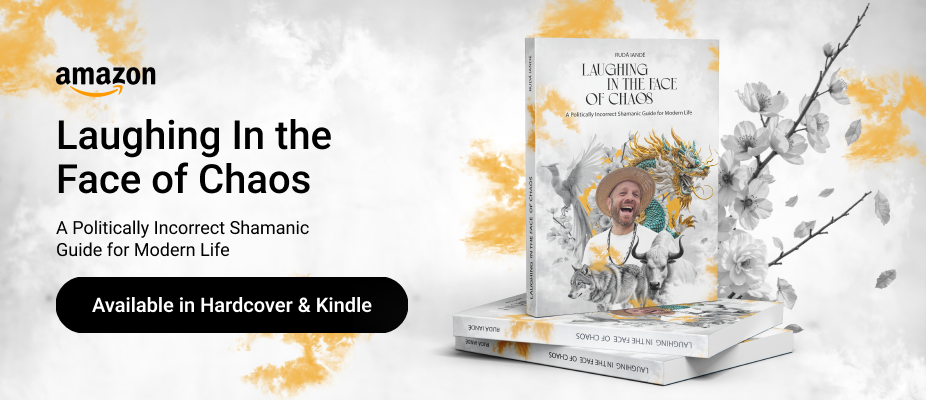
Recently, I was reading Laughing in the Face of Chaos: A Politically Incorrect Shamanic Guide for Modern Life by Rudá Iandê, and one line from it stayed with me:
“When we let go of the need to be perfect, we free ourselves to live fully -- embracing the mess, complexity, and richness of a life that's delightfully real.”
That idea applies perfectly to creativity. When you stop aiming for perfection and simply enjoy the act of making, you rediscover the childlike joy of expression. The result matters far less than the aliveness you feel while creating.
7. End the day with a moment of reflection or gratitude
Evenings are a powerful time to pause. They’re when your mind starts collecting the day’s stories, deciding which to carry forward and which to release. Having a simple ritual of reflection can help you close the day with peace instead of restlessness.
Some people write in a gratitude journal or mentally replay the best moments of the day before falling asleep. Others pray, meditate, or listen to music that calms them. What matters is that you consciously mark the day’s ending instead of drifting into the next.
A friend once told me she lights a candle every night while she cleans the kitchen. The glow reminds her to take one deep breath and feel thankful for another ordinary, beautiful day. It’s such a small act, but it creates a sense of completion.
When you close the day with awareness, you train your mind to notice goodness in places it might have missed. And when you wake up the next morning, you start from a place of quiet appreciation rather than lack.
The quiet power of daily rituals
Boredom in retirement often comes from losing track of what makes life feel meaningful.
When you fill your days with rituals that reflect who you are and what you value, the need to “escape” disappears. You begin to experience the kind of peace that doesn’t rely on excitement to feel alive.
Every small habit adds up. The way you move, think, connect, and create forms a rhythm that gives your life a steady heartbeat. You start to notice beauty in repetition, purpose in small acts, and joy in simple presence.
No matter what stage of life we're in, the real secret to fulfillment isn’t in doing more. It’s in noticing more. And that awareness is what turns ordinary days into something deeply satisfying.